
Why Do Dogs Wag Their Tails? Understanding What Your Pet May Be Trying To Tell You

A dog wagging its tail is one of the most familiar sights for any pet owner. It is easy to assume that a moving tail always means a happy dog, but the reality is more complicated. Dogs use their tails as part of their wider body language, and the same movement can have different meanings depending on the situation. Excitement, curiosity, friendliness, nervousness and alertness may all be accompanied by tail movement. According to animal behaviour experts, owners should consider the dog’s entire body rather than focusing only on its tail. Looking at posture, ears, eyes and facial expression can provide a much clearer picture of what the animal may be feeling.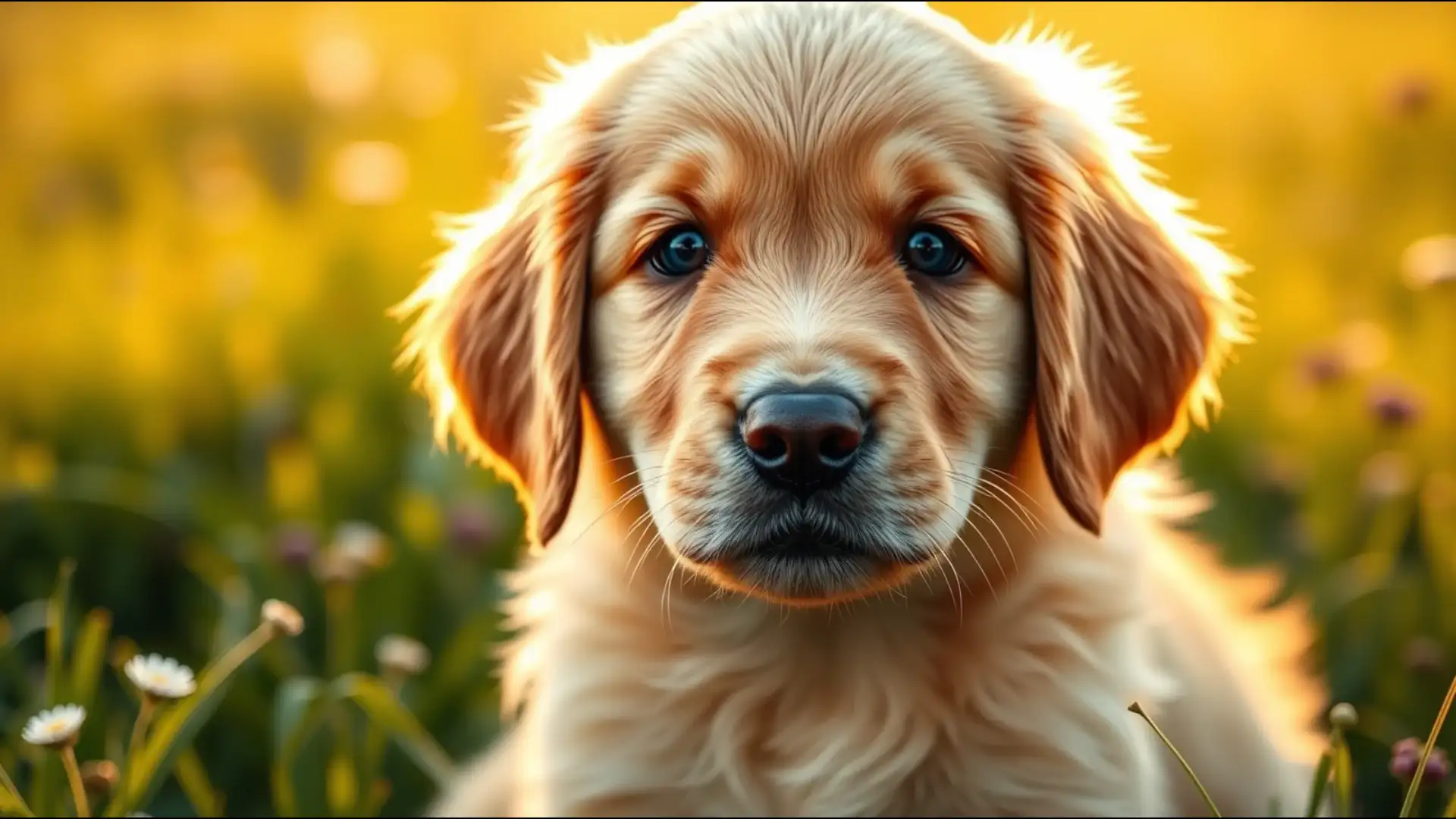
A relaxed dog with a loose body and a naturally positioned tail may be comfortable and content. In these situations, wagging can be part of friendly social interaction.
However, tail wagging does not automatically mean a dog wants to play or be approached.
Tail position is also important. A tail held in a natural position alongside a relaxed body can suggest comfort. By contrast, a tucked tail is commonly associated with fear or anxiety.
Some dogs may hold their tails higher when they are alert or excited. According to experts, however, these signals can vary between individual dogs, so they should always be considered alongside the surrounding situation.
This is why owners should avoid assuming that every wag is an invitation to interact. If a dog appears tense despite wagging its tail, giving it some space may be more appropriate.
Over time, understanding dogs becomes easier when owners learn their individual patterns. A wagging tail is an important communication signal, but it is only one part of the message.
Why Do Dogs Wag Their Tails ?
Dogs use tail movements as one way of communicating with people and other animals. A dog may wag when greeting its owner, meeting another dog or becoming excited about something familiar, such as a favourite toy or going for a walk.A relaxed dog with a loose body and a naturally positioned tail may be comfortable and content. In these situations, wagging can be part of friendly social interaction.
However, tail wagging does not automatically mean a dog wants to play or be approached.
Tail Speed And Position Matter
The speed and position of a dog's tail can offer useful clues. A rapid wag may occur when a dog is highly excited, while slower movements can appear when the animal is uncertain about a situation.You may also like
- Building a house? Expert shares 7 architectural mistakes that cost a fortune to fix later
- OYO Hotel Rules for Unmarried Couples: What Couples Should Know Before Booking
- Meet Mian Asghar Ali from Pakistan who planted over 5,700 trees around his small home just to make his mother smile again
- Why He Pulls Away When He Actually Likes You
- Kareena Kapoor Khan on the conversations parents shouldn't postpone: 'It's important that even today a 10-year-old boy can be aware'
Tail position is also important. A tail held in a natural position alongside a relaxed body can suggest comfort. By contrast, a tucked tail is commonly associated with fear or anxiety.
Some dogs may hold their tails higher when they are alert or excited. According to experts, however, these signals can vary between individual dogs, so they should always be considered alongside the surrounding situation.
Look At The Whole Body
Understanding dog body language means looking beyond the tail. A relaxed dog may have a loose posture, soft eyes and a natural ear position. A nervous or uncomfortable dog may become stiff, lower its body, pull its ears back or try to move away.This is why owners should avoid assuming that every wag is an invitation to interact. If a dog appears tense despite wagging its tail, giving it some space may be more appropriate.
What Tail Wagging Can Tell You
Learning to interpret dog communication can help owners respond more appropriately to their pets. Watch what happens before the tail starts moving, observe the rest of the body and consider the environment.Over time, understanding dogs becomes easier when owners learn their individual patterns. A wagging tail is an important communication signal, but it is only one part of the message.






Loving Newspoint? Download the app now
