
Why Do Flamingos Stand on One Leg? The Science Behind This Strange Habit

Flamingos are famous for their striking pink feathers, long legs and an unusual habit that often leaves people wondering: why do these birds spend so much time standing on just one leg?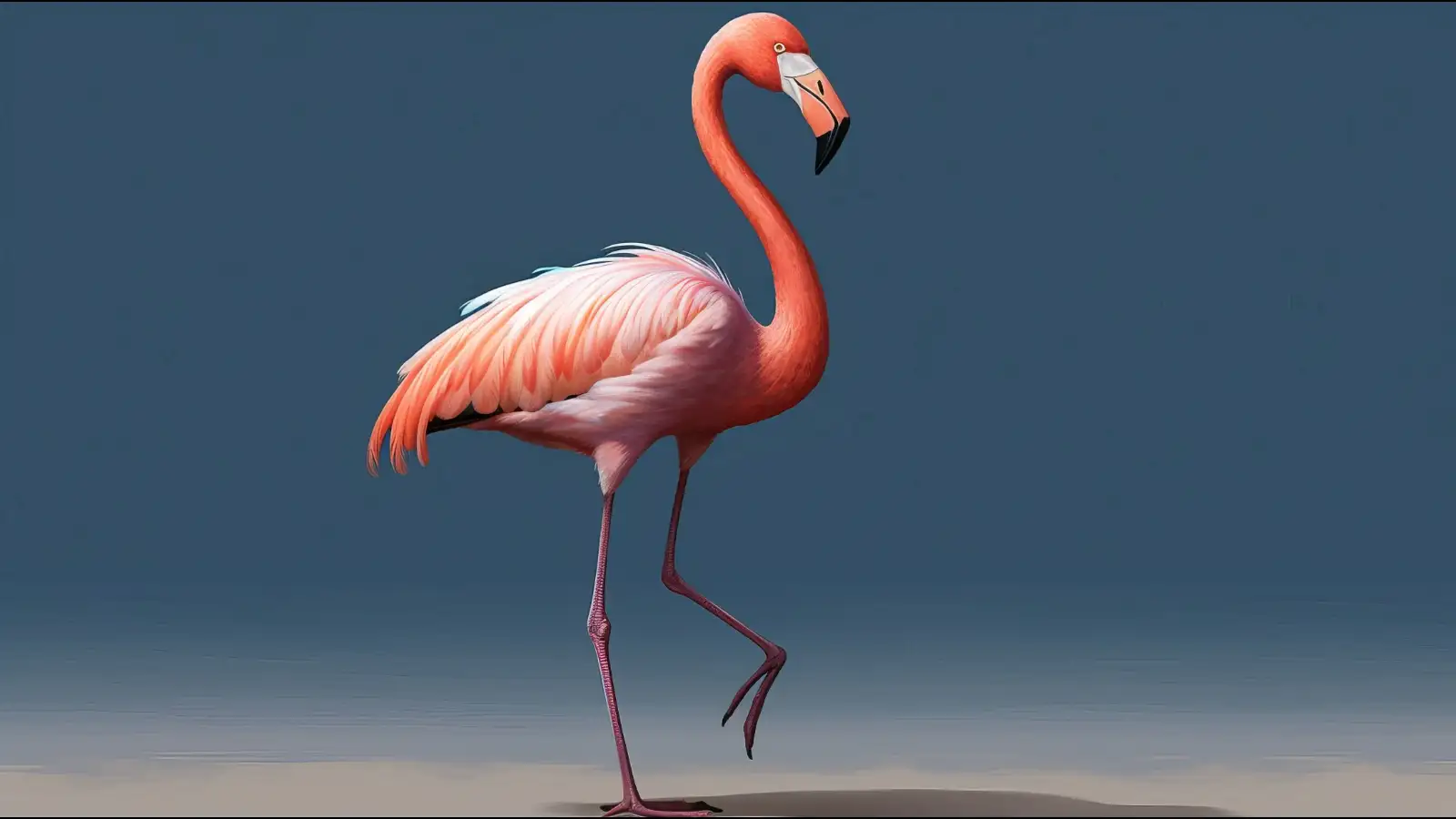
It may look uncomfortable, but for flamingos, balancing on one leg is surprisingly efficient. Scientists believe the posture helps them conserve energy while they rest.
When a flamingo locks its leg into position, its body weight can be supported efficiently by the bones and joints. This means it can remain upright for long periods without constantly using its muscles to maintain balance.
Flamingos often spend long periods standing in shallow water or on land. By resting on one leg, they can reduce the amount of muscular activity needed to stay upright.
Research has also suggested that flamingos can use a passive mechanism involving their joints and body position, allowing them to remain stable without spending much energy.
Their legs are specially adapted for their lifestyle, and the one-legged posture allows them to rest while remaining upright. They can also switch legs, giving the other leg a chance to rest.
By keeping one leg tucked close to the body and exposing less of it to the surrounding environment, the bird may reduce the amount of heat lost through its legs.
However, energy-efficient resting is considered a major reason behind the behaviour, while temperature regulation may also play a role depending on the conditions.
A flamingo's leg is not simply a long, straight limb. Its joints and bones allow the bird to position its body in a remarkably stable way. Once the leg is properly placed, the bird can maintain its balance with surprisingly little effort.
This is why a flamingo can even appear to sleep while standing on one leg.
They can alternate between their legs while resting. This helps prevent one leg from carrying the body weight continuously.
So, what looks like an awkward balancing act is actually a highly effective resting position.
What appears to be a strange habit is, in fact, a clever example of how evolution can shape an animal's body and behaviour to make everyday life easier.
Disclaimer: The information in this article has not been individually verified. NewsPoint is not responsible for any inaccuracies or omissions.
It may look uncomfortable, but for flamingos, balancing on one leg is surprisingly efficient. Scientists believe the posture helps them conserve energy while they rest.
Standing On One Leg Takes Less Effort
For a flamingo, standing on one leg does not necessarily mean working twice as hard. Its unusual leg structure allows the body to remain balanced with very little muscular effort.When a flamingo locks its leg into position, its body weight can be supported efficiently by the bones and joints. This means it can remain upright for long periods without constantly using its muscles to maintain balance.
It May Help Save Energy
One of the leading explanations is energy conservation.Flamingos often spend long periods standing in shallow water or on land. By resting on one leg, they can reduce the amount of muscular activity needed to stay upright.
Research has also suggested that flamingos can use a passive mechanism involving their joints and body position, allowing them to remain stable without spending much energy.
Why Not Just Sit Down?
Flamingos do sit and rest, but standing on one leg offers another way to take a break.Their legs are specially adapted for their lifestyle, and the one-legged posture allows them to rest while remaining upright. They can also switch legs, giving the other leg a chance to rest.
Does It Keep Them Warm?
Another popular theory is that standing on one leg may help flamingos reduce heat loss, particularly when they are standing in cold water.By keeping one leg tucked close to the body and exposing less of it to the surrounding environment, the bird may reduce the amount of heat lost through its legs.
However, energy-efficient resting is considered a major reason behind the behaviour, while temperature regulation may also play a role depending on the conditions.
How Do They Avoid Falling?
The trick lies in their anatomy.A flamingo's leg is not simply a long, straight limb. Its joints and bones allow the bird to position its body in a remarkably stable way. Once the leg is properly placed, the bird can maintain its balance with surprisingly little effort.
You may also like
- Beyond Cholesterol: 5 Hidden Risk Factors That Drive Heart Attacks and Why Normal Reports Aren't Enough
- 5 topics to make your Teacher's Day speech on September 5 memorable, meaningful, and fun
- Benefits of Applying Ghee to Roti: Ayurvedic Practice Improves Digestion, Blood Sugar, and Bone Strength
- Struggling with Constipation, Discover How Prunes, Hydration, and Simple Lifestyle Changes
- Out of Breath Climbing Stairs, Discover Why It's Not Always Poor Fitness and When to Seek Medical Attention
This is why a flamingo can even appear to sleep while standing on one leg.
Flamingos Can Switch Legs
Despite the famous one-legged pose, flamingos do not always use the same leg.They can alternate between their legs while resting. This helps prevent one leg from carrying the body weight continuously.
So, what looks like an awkward balancing act is actually a highly effective resting position.
A Strange Habit With A Smart Design
The next time you see a flamingo standing on one leg, it is not simply showing off its balance. The posture is closely linked to the bird's anatomy and its ability to rest efficiently.What appears to be a strange habit is, in fact, a clever example of how evolution can shape an animal's body and behaviour to make everyday life easier.
Disclaimer: The information in this article has not been individually verified. NewsPoint is not responsible for any inaccuracies or omissions.






Loving Newspoint? Download the app now
