
Why Do Online Prices Change While You Are Still Shopping?

You find a pair of headphones online for 1200 rupees. You think about it for a few minutes, return to the page and suddenly the price is 3000 rupees. It can feel as though the website noticed your hesitation and deliberately raised the price. Sometimes, however, the explanation is far less mysterious. Online retailers constantly adjust prices based on stock, demand, promotions, competitors and other market conditions. This practice is broadly known as dynamic pricing , and it has become a major feature of modern e-commerce .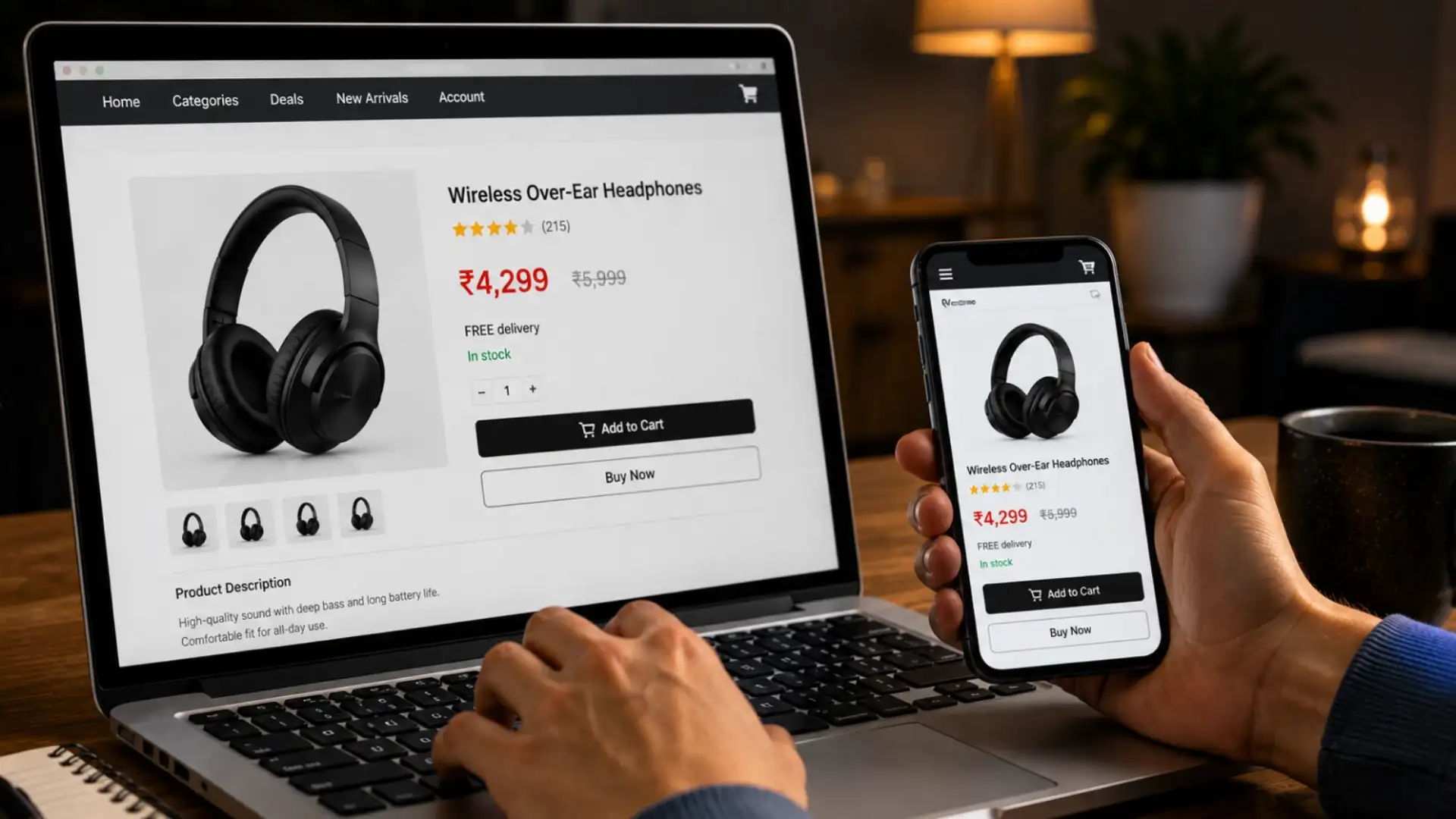
If demand for a particular product suddenly increases, a retailer may adjust its price. When demand falls, discounts may appear to encourage sales.
Travel companies have used similar approaches for years. Airfares and hotel prices can fluctuate significantly because available capacity, booking patterns and demand change constantly.
Some businesses use automated systems to monitor competitors and adjust their own prices. A product can therefore become more expensive or cheaper because another seller changed its price.
Stock levels matter too. If only a small number of products remain, a retailer may alter the price based on expected demand and inventory strategy.
Prices can change because a promotion ended, stock changed, competitors moved their prices or an automated pricing system updated the listing.
However, personalised offers and targeted promotions do exist in online commerce, making it sensible for shoppers to compare prices before purchasing.
Online shopping has made prices more flexible than ever. The price on your screen is not always a permanent figure. It can be the latest result of a constantly moving digital marketplace.
Prices Can Respond to Demand
Traditional shops often change prices less frequently because updating physical labels takes time. Online retailers can change a price almost instantly.If demand for a particular product suddenly increases, a retailer may adjust its price. When demand falls, discounts may appear to encourage sales.
Travel companies have used similar approaches for years. Airfares and hotel prices can fluctuate significantly because available capacity, booking patterns and demand change constantly.
Competition Also Plays a Role
Online shoppers can compare prices across several retailers within seconds. Retailers know this.You may also like
- Union Minister Kiren Rijiju responds to Arunachal girl's cute request, “Humko Indian bolo”: “You have become famous; the whole of India loves you”
- High heels were originally made for men, here's surprising story
- 5 Cucumber Skincare Secrets for Fresh, Glowing Skin
- 7 Stunning Kajal Looks Every Indian Girl Should Try
- Baby Starts Crying as Soon as I Sit: The Hidden Reason
Some businesses use automated systems to monitor competitors and adjust their own prices. A product can therefore become more expensive or cheaper because another seller changed its price.
Stock levels matter too. If only a small number of products remain, a retailer may alter the price based on expected demand and inventory strategy.
Is It Always Because You Looked at the Product?
This is where online pricing becomes misunderstood. Seeing a price increase after repeatedly viewing an item does not automatically mean the retailer has specifically targeted you.Prices can change because a promotion ended, stock changed, competitors moved their prices or an automated pricing system updated the listing.
However, personalised offers and targeted promotions do exist in online commerce, making it sensible for shoppers to compare prices before purchasing.
How Shoppers Can Respond
If a purchase is not urgent, checking the price again later can sometimes help. Comparing multiple retailers, watching for genuine promotions and checking whether delivery fees alter the final cost can also reveal the real deal.Online shopping has made prices more flexible than ever. The price on your screen is not always a permanent figure. It can be the latest result of a constantly moving digital marketplace.






Loving Newspoint? Download the app now
