Why Do Siblings Remember the Same Childhood So Differently?

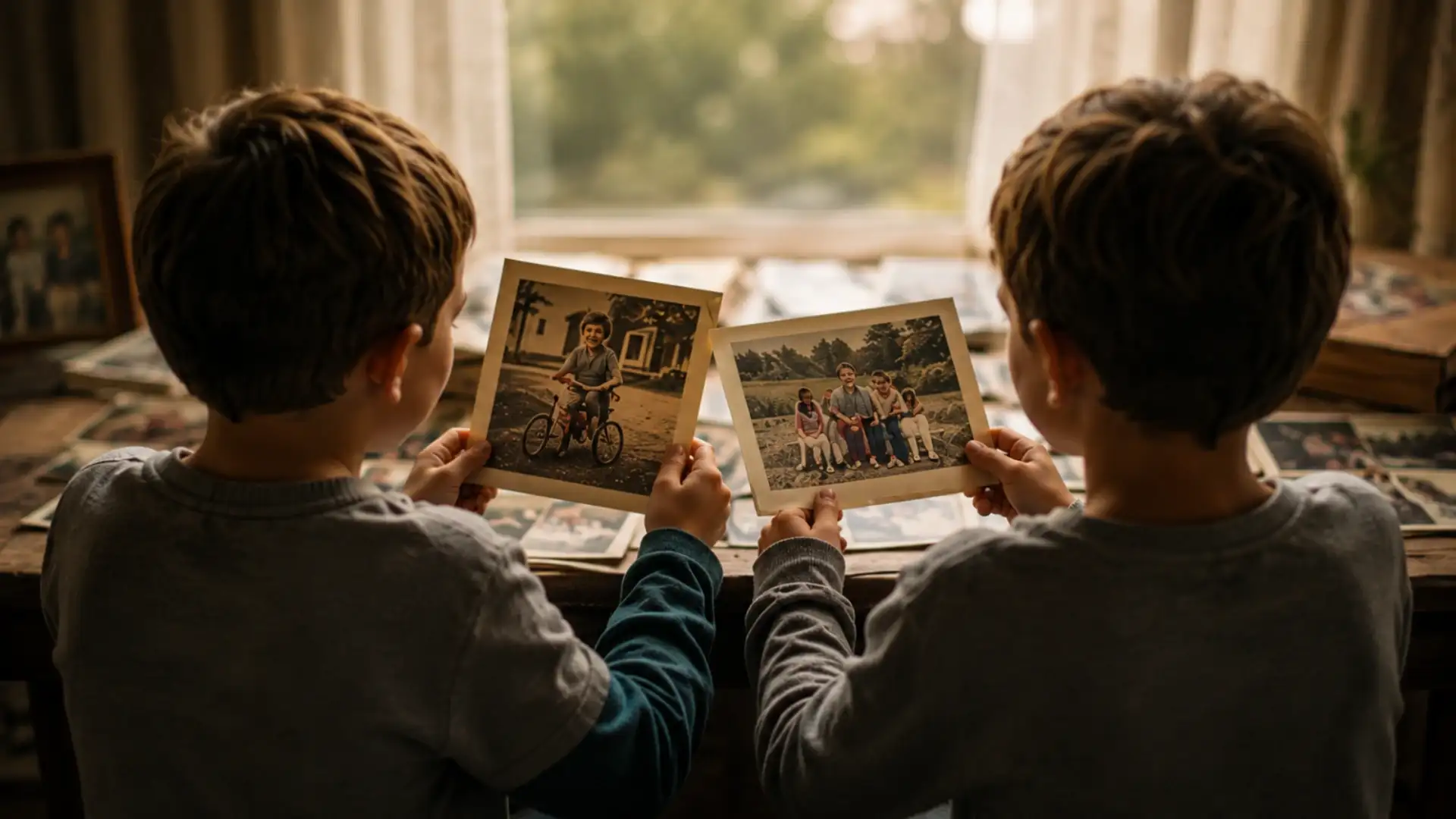
Ask two siblings about the same childhood event and you may receive two completely different stories. One remembers a warm family holiday. The other remembers feeling ignored. One says their parents were strict. The other insists they were fairly relaxed. So who remembers correctly? Sometimes, both do. Research into family development has shown that siblings who grow up under the same roof do not necessarily experience the same environment. Differences in age, friendships, parental treatment, personality and timing can create what psychologists call a “nonshared environment”.
Hero Image


The Same Home Does Not Mean the Same Childhood

Consider two siblings born six years apart.

The older child may remember parents who were anxious first-time parents. By the time the younger child arrives, those same parents may be more relaxed.


The older sibling may remember strict rules about going out. The younger one may have had far greater freedom.

Even though both grew up in the same house, they did not experience the same version of family life.


Parents Can Treat Children Differently

Parents rarely intend to create unequal childhoods, but circumstances change.

A child's temperament may influence how adults respond to them. A particularly anxious child may receive more protection, while a confident child may be given more independence.

Research on siblings has found that differential parental treatment , sibling relationships and experiences outside the family can contribute to differences in development.

Memory Also Changes Over Time

There is another complication: memory itself is reconstructive.


Every time we remember an event, we are not necessarily replaying a perfect recording. We interpret the past through the knowledge and emotions we have today.

This means siblings can genuinely remember the same event differently without either deliberately inventing a story.

Family stories can also influence memory. If one version of an event is repeated at birthdays and gatherings for decades, it can become part of the family's shared narrative.

Birth Order Is Not the Whole Explanation

Birth order is often blamed for sibling differences, but researchers have found that it explains only a relatively small proportion of developmental differences. Peer groups and individual experiences can be more influential.

That is why two children from the same family can grow into remarkably different adults.


Why This Matters Today

Understanding this can make family disagreements less personal.

Your sibling may not be “wrong” simply because their memory differs from yours. Their childhood was partly shaped by experiences you did not have.

Perhaps the most interesting thing about family memory is that there may never have been one single childhood. There were several childhoods happening under the same roof, each experienced through a different pair of eyes.