
Why Do Some Cultures Insist on Removing Shoes Indoors? The Fascinating History Behind the Tradition

Have you ever visited someone's home and instinctively removed your shoes before stepping inside? For millions of people around the world, this simple act is more than just a household rule. It can represent respect, cleanliness, religious devotion or a connection to centuries-old traditions. From Japanese homes with dedicated entrance areas to Indian households where footwear is left outside, the practice of removing shoes has deep cultural roots. But why did this custom become so important in some societies while remaining optional in others? The answer lies in a fascinating combination of history, geography, religion and everyday hygiene.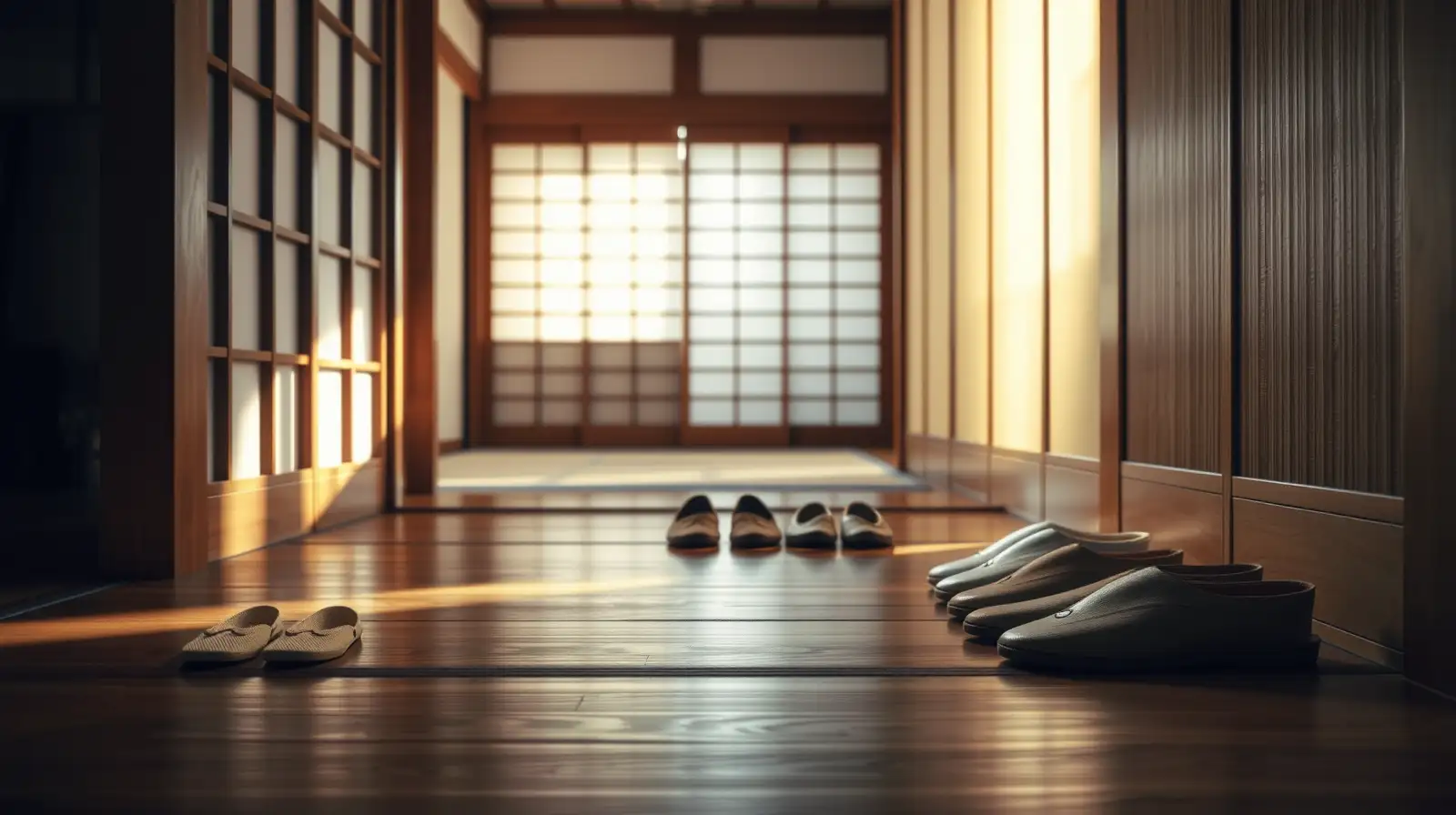
Research has also found that footwear can carry bacteria and chemical residues from outdoor environments. A shoe-free home may therefore help reduce the amount of unwanted material entering living spaces, although removing shoes alone cannot eliminate all household germs.
In countries where people sit, eat or sleep close to the floor, keeping outdoor footwear away from indoor spaces has traditionally been particularly important.
This space does more than keep floors clean. It creates a clear boundary between the outside world and the private environment of the home.
Traditional Japanese homes often feature delicate flooring, including tatami mats made from woven rush. Walking on these surfaces with outdoor shoes can cause damage and bring in dirt.
The custom remains common in modern Japanese households, schools and some other indoor spaces.
In Hindu traditions, footwear may be considered unsuitable for sacred spaces because it has been in contact with the ground. Some households also maintain separate rules for kitchens and areas where religious rituals take place.
Similar practices exist in mosques, where worshippers remove their shoes before entering prayer areas. The emphasis is often on cleanliness and maintaining the sanctity of the space.
In Myanmar and several other countries, removing footwear before entering Buddhist places of worship is also an established custom.
In parts of Asia, homes have traditionally been designed around raised floors, mats and indoor spaces where people spend considerable time sitting or resting. Such arrangements make leaving shoes at the entrance a practical choice.
In colder countries, people may change from outdoor shoes into indoor slippers to keep floors clean while staying comfortable.
In New Zealand, going barefoot indoors is also relatively common, reflecting broader attitudes towards footwear and everyday life.
A shoe-free policy can reduce cleaning work and help keep floors cleaner, particularly in homes with young children who spend time playing on the ground.
However, the practice is not universal. In some cultures, guests may be expected to keep their shoes on, and removing them without being asked could feel unusual.
The best approach is to observe the household’s customs or politely ask the host.
From Japan’s genkan to India’s familiar doorway shoe rack, this everyday habit reveals how societies turn practical actions into meaningful cultural customs.
The next time you leave your shoes at the door, consider this: you may not simply be taking off your footwear. You may be participating in a tradition shaped by generations of people who believed that entering a home meant leaving something of the outside world behind.
A Tradition Shaped by Cleanliness
One of the most practical reasons people remove their shoes indoors is to prevent dirt from entering their homes. Outdoor footwear comes into contact with pavements, muddy paths, public transport floors and countless other surfaces. Bringing it inside can transfer dust, soil and other contaminants onto floors and carpets.Research has also found that footwear can carry bacteria and chemical residues from outdoor environments. A shoe-free home may therefore help reduce the amount of unwanted material entering living spaces, although removing shoes alone cannot eliminate all household germs.
In countries where people sit, eat or sleep close to the floor, keeping outdoor footwear away from indoor spaces has traditionally been particularly important.
Japan’s Genkan: A Boundary Between Two Worlds
In Japan, removing shoes is closely connected to the design of traditional homes. Many houses have a genkan, a dedicated entrance where people take off their outdoor footwear before stepping up into the main living area.This space does more than keep floors clean. It creates a clear boundary between the outside world and the private environment of the home.
Traditional Japanese homes often feature delicate flooring, including tatami mats made from woven rush. Walking on these surfaces with outdoor shoes can cause damage and bring in dirt.
The custom remains common in modern Japanese households, schools and some other indoor spaces.
Religion and the Meaning of Respect
In many parts of India, removing shoes before entering a home, temple or prayer room is connected to ideas of purity, humility and respect.In Hindu traditions, footwear may be considered unsuitable for sacred spaces because it has been in contact with the ground. Some households also maintain separate rules for kitchens and areas where religious rituals take place.
Similar practices exist in mosques, where worshippers remove their shoes before entering prayer areas. The emphasis is often on cleanliness and maintaining the sanctity of the space.
In Myanmar and several other countries, removing footwear before entering Buddhist places of worship is also an established custom.
Climate and Architecture Play a Role
Cultural habits are not shaped by religion alone. Climate and housing styles can influence how people treat footwear.In parts of Asia, homes have traditionally been designed around raised floors, mats and indoor spaces where people spend considerable time sitting or resting. Such arrangements make leaving shoes at the entrance a practical choice.
In colder countries, people may change from outdoor shoes into indoor slippers to keep floors clean while staying comfortable.
In New Zealand, going barefoot indoors is also relatively common, reflecting broader attitudes towards footwear and everyday life.
Why This Tradition Still Matters Today
Modern homes may have vacuum cleaners, tiled floors and sophisticated cleaning products, but the basic reasons for removing shoes remain relevant.A shoe-free policy can reduce cleaning work and help keep floors cleaner, particularly in homes with young children who spend time playing on the ground.
However, the practice is not universal. In some cultures, guests may be expected to keep their shoes on, and removing them without being asked could feel unusual.
The best approach is to observe the household’s customs or politely ask the host.
A Small Gesture With a Bigger Meaning
Removing shoes before entering a home may take only a few seconds, but it can reflect much more than personal hygiene. It can mark the transition from public life to private space, express respect for religious traditions or simply protect a carefully maintained home.From Japan’s genkan to India’s familiar doorway shoe rack, this everyday habit reveals how societies turn practical actions into meaningful cultural customs.
The next time you leave your shoes at the door, consider this: you may not simply be taking off your footwear. You may be participating in a tradition shaped by generations of people who believed that entering a home meant leaving something of the outside world behind.
Next Story