
Why Do Some Indian Houses Have Blue Doors? The Story Behind a Common Tradition

Walk through the old streets of Jodhpur and blue appears almost everywhere. Doors, walls, façades and entire houses can take on shades ranging from pale sky blue to deep indigo. The colour is now so strongly associated with the city that Jodhpur is widely known as the Blue City. But the story behind the colour is more complicated than the popular claim that blue houses were simply designed to stay cool. Historical accounts connect the colour with Brahmin households , while other explanations involve traditional limewash, insects and local building practices. Recent research suggests that some of the most commonly repeated explanations deserve a closer look.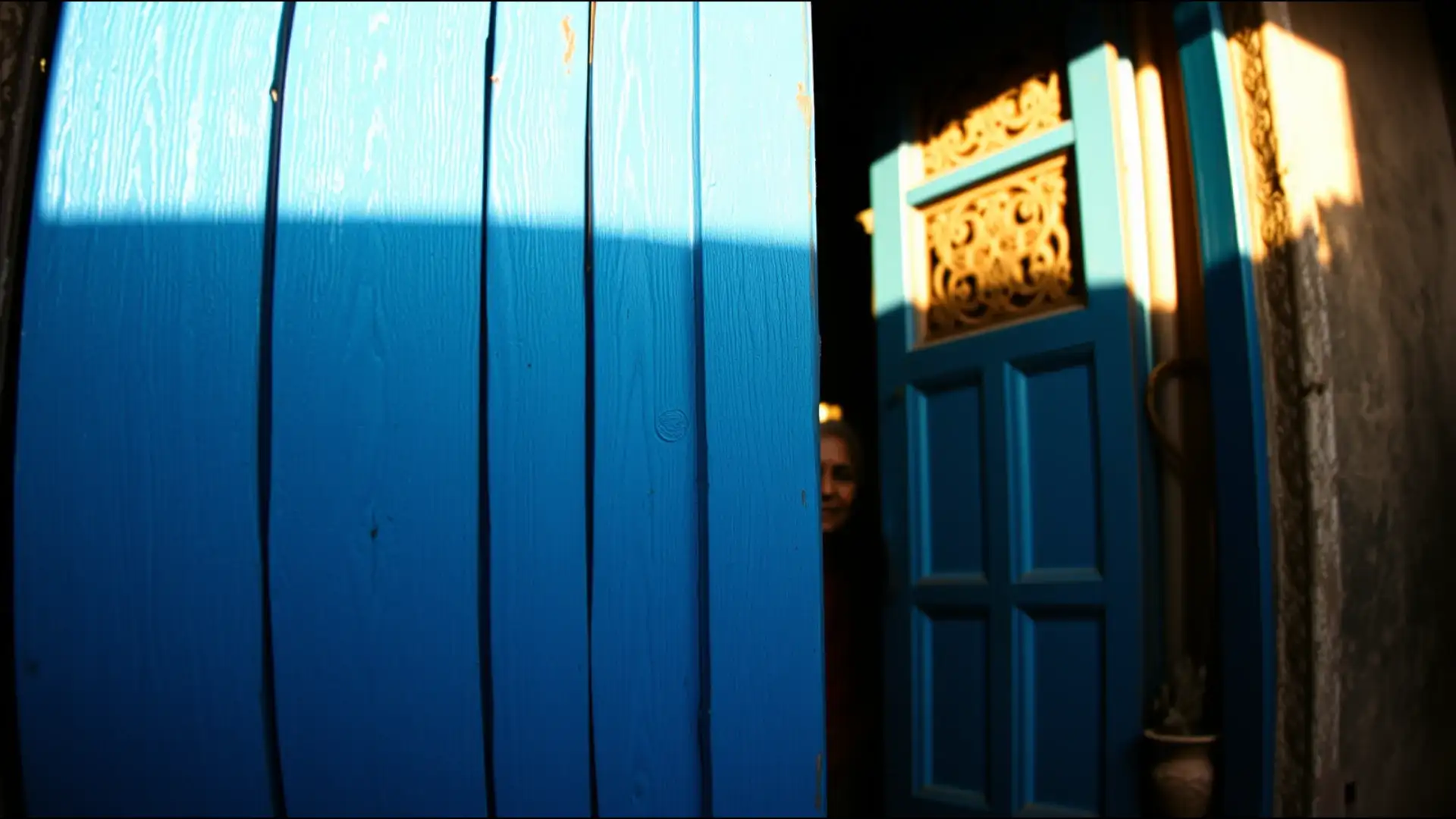
Research into Jodhpur's traditional architecture provides a more nuanced picture. Recent work suggests that indigo originally functioned partly as a cultural identifier in Brahmapuri, the part of the old city associated with Brahmin households.
Over time, the colour spread beyond its original social association.
The popular explanation is that blue reflects sunlight and therefore reduces heat. But recent research investigating traditional Jodhpur homes found that the colour itself was not responsible for the main cooling effect.
Instead, features such as thick walls, narrow streets, ventilation and traditional building layouts played a much greater role in maintaining comfortable indoor temperatures.
This distinction matters because traditional architecture often works through a combination of small design decisions rather than one magical material.
Some accounts suggest that substances added to traditional limewash may have helped discourage pests. The exact historical role of these ingredients remains debated, so it is safer to treat the termite explanation as one theory rather than established fact.
What is clear is that traditional lime-based finishes were practical as well as decorative.
Colour could communicate community identity. Building materials responded to climate. Narrow streets created shade. Courtyards improved ventilation. Decorative choices became cultural symbols.
In other words, the blue façade is only the visible part of the story.
The next time you see a blue doorway in Jodhpur, it is worth looking beyond the colour. Behind it lies a history of community, architecture, climate and tradition, layered onto the same walls over generations.
Blue Was Once a Social Marker
The official Incredible India tourism portal notes that blue houses in Jodhpur have traditionally been associated with Brahmin families and that the colour helped distinguish their homes. It also records the popular belief that blue helped keep houses cool.Research into Jodhpur's traditional architecture provides a more nuanced picture. Recent work suggests that indigo originally functioned partly as a cultural identifier in Brahmapuri, the part of the old city associated with Brahmin households.
Over time, the colour spread beyond its original social association.
Was Blue Really Used to Keep Houses Cool?
This is where the story becomes interesting.The popular explanation is that blue reflects sunlight and therefore reduces heat. But recent research investigating traditional Jodhpur homes found that the colour itself was not responsible for the main cooling effect.
Instead, features such as thick walls, narrow streets, ventilation and traditional building layouts played a much greater role in maintaining comfortable indoor temperatures.
This distinction matters because traditional architecture often works through a combination of small design decisions rather than one magical material.
What About Termites?
Another long-standing explanation connects blue paint with protection from insects, particularly termites.You may also like
- Love Piping-Hot Tea or Coffee? Research Links Very Hot Drinks to Higher Esophageal Cancer Risk
- Taking Painkillers Too Often? Your Kidneys Could Be at Risk, Nephrologists Warn
- EPFO Update: From PF-related tasks to UAN activation—get these things done in a jiffy without having to make rounds to your employer..
- Meet Jyoti Srivastava: She once designed rockets for the Indian Army; now she makes baby food inspired by her son's own diet
- Bank Holiday: Will banks in Delhi remain closed on September 11? Know the full facts regarding the BRICS Summit and the strike..
Some accounts suggest that substances added to traditional limewash may have helped discourage pests. The exact historical role of these ingredients remains debated, so it is safer to treat the termite explanation as one theory rather than established fact.
What is clear is that traditional lime-based finishes were practical as well as decorative.
Why the Blue Houses Still Matter
Today, the blue streets of Jodhpur are a major part of the city's visual identity. Yet the tradition tells us something deeper about Indian homes.Colour could communicate community identity. Building materials responded to climate. Narrow streets created shade. Courtyards improved ventilation. Decorative choices became cultural symbols.
In other words, the blue façade is only the visible part of the story.
The next time you see a blue doorway in Jodhpur, it is worth looking beyond the colour. Behind it lies a history of community, architecture, climate and tradition, layered onto the same walls over generations.






Loving Newspoint? Download the app now
