
Why Do Supermarkets Put Essential Products at the Back?

You enter a supermarket for milk and perhaps a loaf of bread. Ten minutes later, your basket contains biscuits, shampoo, snacks and something you never intended to buy. It may feel like bad luck, but supermarket layouts are rarely accidental. Retailers carefully design the journey customers take through their stores, from the position of essential products to the height of shelves and the location of checkout displays. The aim is simple: encourage shoppers to notice more products and potentially spend more money. What looks like an inconvenient walk can actually be carefully planned retail psychology .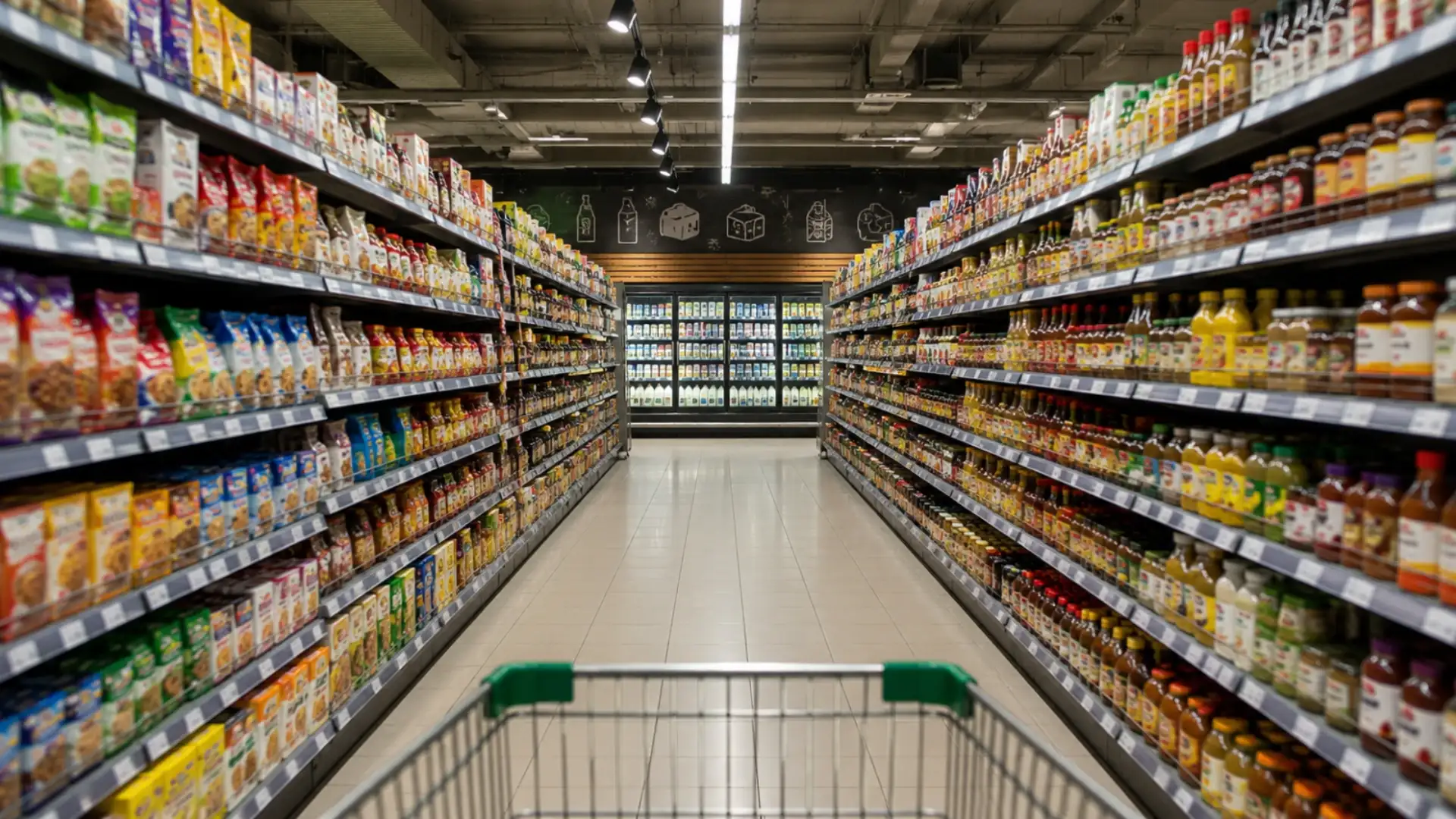
By placing some everyday essentials towards the back or along the edges of the store, supermarkets encourage customers to pass other aisles first. During that journey, shoppers encounter promotions, seasonal products and attractive displays.
This increases what retailers call the "basket size", meaning the total number of products bought during a visit.
However, not every supermarket follows exactly the same layout. Store design depends on the building, customer habits, product categories and business strategy.
Brands may compete for prominent shelf positions because visibility can influence purchasing decisions. Children are also more likely to notice products placed around their eye level, which is one reason colourful packaging often appears on lower shelves in some categories.
Small products such as sweets, chewing gum, batteries and magazines are often positioned nearby because they are easy to add to a basket without much thought.
The next time you walk into a supermarket, notice the route you are taking. That journey may feel natural, but there is a good chance someone has thought very carefully about where you walk, what you see and what eventually ends up in your basket.
Why Essentials Are Often Placed Further Away
Basic products such as milk, eggs and bread are items many shoppers enter a supermarket specifically to buy. Retailers know customers are likely to purchase them anyway.By placing some everyday essentials towards the back or along the edges of the store, supermarkets encourage customers to pass other aisles first. During that journey, shoppers encounter promotions, seasonal products and attractive displays.
This increases what retailers call the "basket size", meaning the total number of products bought during a visit.
However, not every supermarket follows exactly the same layout. Store design depends on the building, customer habits, product categories and business strategy.
You may also like
- Union Minister Kiren Rijiju responds to Arunachal girl's cute request, “Humko Indian bolo”: “You have become famous; the whole of India loves you”
- High heels were originally made for men, here's surprising story
- 5 Cucumber Skincare Secrets for Fresh, Glowing Skin
- 7 Stunning Kajal Looks Every Indian Girl Should Try
- Baby Starts Crying as Soon as I Sit: The Hidden Reason
Why Products Are Positioned at Eye Level
Shelf height is another important part of supermarket design. Products placed directly at eye level are easier to notice than those positioned near the floor or high above your head.Brands may compete for prominent shelf positions because visibility can influence purchasing decisions. Children are also more likely to notice products placed around their eye level, which is one reason colourful packaging often appears on lower shelves in some categories.
Even the Checkout Has a Purpose
The checkout area is another carefully managed zone. Customers have already made most of their purchasing decisions, but they may still have to wait.Small products such as sweets, chewing gum, batteries and magazines are often positioned nearby because they are easy to add to a basket without much thought.
Why It Matters Today
Understanding supermarket psychology can help shoppers become more deliberate. Making a shopping list, avoiding unnecessary browsing and checking prices before picking up an item can reduce impulse purchases.The next time you walk into a supermarket, notice the route you are taking. That journey may feel natural, but there is a good chance someone has thought very carefully about where you walk, what you see and what eventually ends up in your basket.






Loving Newspoint? Download the app now
