
Why Do We Find Certain Faces More Attractive Than Others? The Science of Facial Attraction

Why does one face immediately catch your attention while another barely registers? You might find yourself drawn to someone's smile, the shape of their eyes or the way their face changes when they laugh. Yet beauty is far from universal. Features considered attractive in one culture may not receive the same response elsewhere. Even within the same family or friendship group, people can have remarkably different preferences. So, what actually makes a face attractive? Scientists believe the answer lies in a fascinating combination of biology, psychology, personal experiences and cultural influences. From facial symmetry to familiarity, several factors shape how we perceive beauty.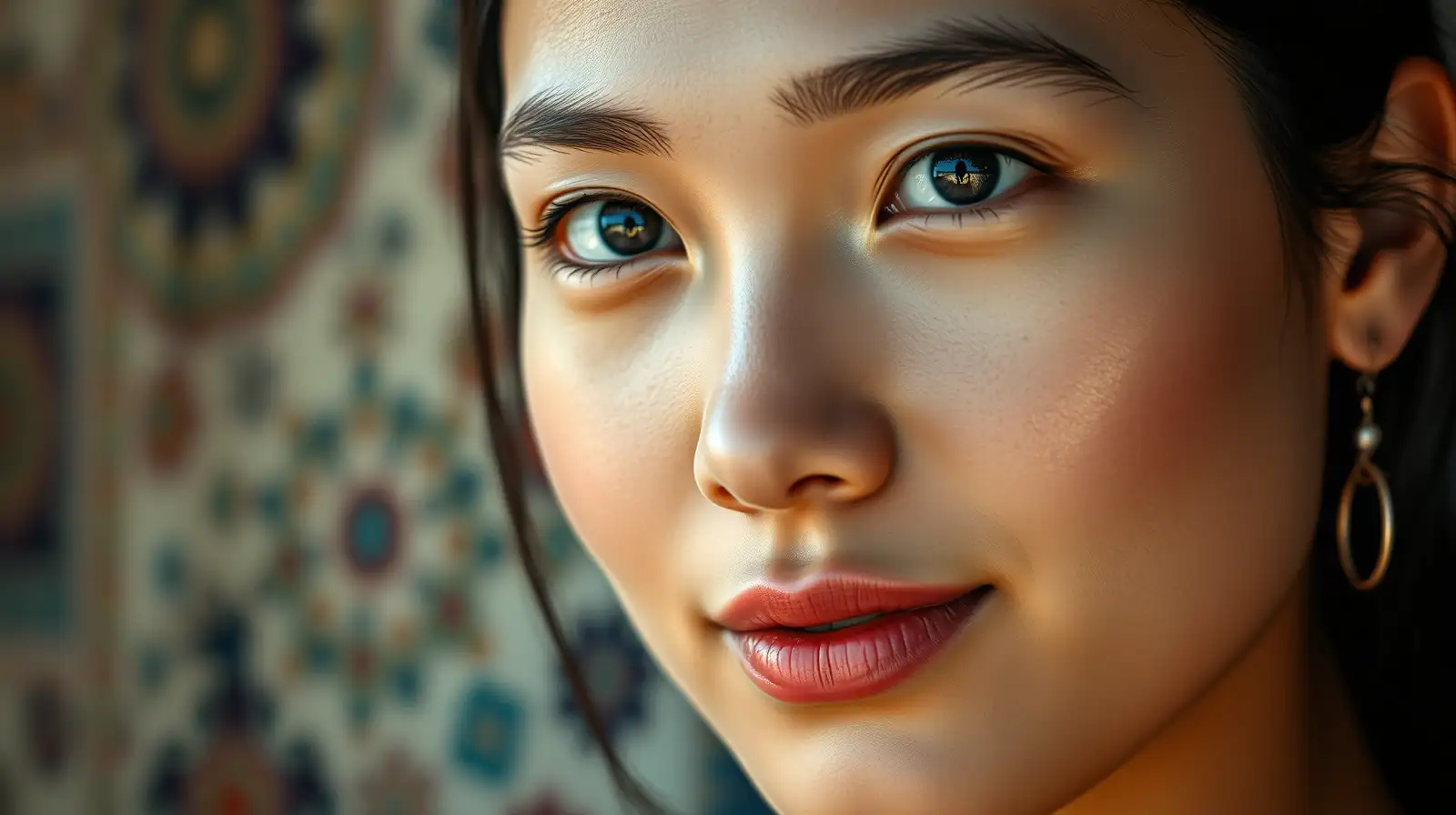
A symmetrical face is one in which the features on one side are relatively similar to those on the other. Researchers have explored whether people generally find symmetrical faces more attractive.
One possible explanation is that symmetry may provide information about developmental stability. Some evolutionary theories suggest that humans may have developed preferences for certain physical characteristics associated with health or biological development.
However, the relationship between symmetry and attractiveness is not straightforward.
Research has shown that highly symmetrical faces are not automatically considered the most attractive. Natural variation, facial proportions and individual preferences also play important roles.
In other words, symmetry may influence attraction, but it does not determine beauty.
Researchers have studied facial averageness, a term referring to how closely a face resembles the average of a particular population or group of faces.
Some studies suggest that people often find average-looking facial configurations appealing.
One possible explanation is that average features may be easier for the brain to process.
However, this does not mean that distinctive faces are less attractive. Unusual features can make someone memorable and contribute to their appeal.
A face’s overall appearance matters more than any single feature.
This may be connected to the mere exposure effect, a psychological phenomenon in which repeated exposure to something can increase familiarity and, in some circumstances, liking.
Seeing a person regularly may make their face feel more familiar and comfortable.
This effect can influence how people perceive others, although familiarity does not guarantee attraction.
For example, someone who initially seems ordinary may become more appealing as you get to know their personality, expressions and mannerisms.
Our perception of beauty is not always based on a first impression.
A genuine smile, relaxed eyes or an expression of warmth may make someone seem more approachable and appealing.
Research into facial perception has shown that people do not assess facial features in isolation. They also interpret emotions, social signals and personality-related impressions.
A smiling face may therefore be perceived differently from the same face displaying anger or sadness.
However, attractiveness and emotional expression are not the same thing. Someone can have an attractive face without smiling, and expressions vary according to the situation.
Features celebrated in one culture may not receive the same attention elsewhere.
For example, preferences regarding skin tone, facial structure, hairstyles and make-up have changed considerably across generations.
Advertising, cinema, social media and fashion can influence which facial characteristics receive greater public attention.
These influences do not affect everyone equally, but they can shape collective ideas about appearance.
It is also important to recognise that cultural preferences are diverse and constantly evolving.
There is no single global definition of an attractive face.
A person’s humour, kindness, confidence and communication style can influence how attractive they seem over time.
Psychologists sometimes describe this as a form of positive interpersonal bias. When we develop favourable feelings towards someone, we may begin to perceive their appearance more positively as well.
This helps explain why emotional connections can change our impressions of people.
Someone who becomes more attractive as you get to know them may not have changed physically. Your perception of them may simply have evolved.
Specialised areas, including the fusiform face area, are involved in recognising and interpreting faces.
When we see a face, the brain assesses multiple features simultaneously, including shape, expression and familiarity.
Studies using brain imaging have explored how reward-related regions respond to faces perceived as attractive.
However, there is no single brain mechanism that explains all forms of attraction.
Personal experience, context and individual differences remain important.
Age, relationships, social experiences and exposure to different cultures may influence what we find appealing.
Someone who preferred a particular appearance in their teens may develop different preferences later.
Changing beauty standards can also affect how people view themselves and others.
This flexibility suggests that attraction is not simply a fixed biological response. It is shaped by a continuing interaction between the brain, the environment and personal experience.
Why Facial Symmetry Often Matters
One of the most frequently discussed factors in facial attraction is symmetry.A symmetrical face is one in which the features on one side are relatively similar to those on the other. Researchers have explored whether people generally find symmetrical faces more attractive.
One possible explanation is that symmetry may provide information about developmental stability. Some evolutionary theories suggest that humans may have developed preferences for certain physical characteristics associated with health or biological development.
However, the relationship between symmetry and attractiveness is not straightforward.
Research has shown that highly symmetrical faces are not automatically considered the most attractive. Natural variation, facial proportions and individual preferences also play important roles.
In other words, symmetry may influence attraction, but it does not determine beauty.
The Importance of Facial Proportions
Beyond symmetry, the relationship between different facial features can affect how a face is perceived.Researchers have studied facial averageness, a term referring to how closely a face resembles the average of a particular population or group of faces.
Some studies suggest that people often find average-looking facial configurations appealing.
One possible explanation is that average features may be easier for the brain to process.
However, this does not mean that distinctive faces are less attractive. Unusual features can make someone memorable and contribute to their appeal.
A face’s overall appearance matters more than any single feature.
Why Familiar Faces Feel More Attractive
Have you ever started finding someone more appealing after spending more time with them?This may be connected to the mere exposure effect, a psychological phenomenon in which repeated exposure to something can increase familiarity and, in some circumstances, liking.
Seeing a person regularly may make their face feel more familiar and comfortable.
This effect can influence how people perceive others, although familiarity does not guarantee attraction.
For example, someone who initially seems ordinary may become more appealing as you get to know their personality, expressions and mannerisms.
Our perception of beauty is not always based on a first impression.
The Role of Facial Expressions
A person’s expression can significantly influence how attractive their face appears.A genuine smile, relaxed eyes or an expression of warmth may make someone seem more approachable and appealing.
Research into facial perception has shown that people do not assess facial features in isolation. They also interpret emotions, social signals and personality-related impressions.
A smiling face may therefore be perceived differently from the same face displaying anger or sadness.
However, attractiveness and emotional expression are not the same thing. Someone can have an attractive face without smiling, and expressions vary according to the situation.
How Culture Shapes Our Ideas of Beauty
Beauty standards differ across societies and historical periods.Features celebrated in one culture may not receive the same attention elsewhere.
For example, preferences regarding skin tone, facial structure, hairstyles and make-up have changed considerably across generations.
Advertising, cinema, social media and fashion can influence which facial characteristics receive greater public attention.
These influences do not affect everyone equally, but they can shape collective ideas about appearance.
It is also important to recognise that cultural preferences are diverse and constantly evolving.
There is no single global definition of an attractive face.
Why Personality Can Change Our Perception
Physical appearance is only one part of how we perceive someone.A person’s humour, kindness, confidence and communication style can influence how attractive they seem over time.
Psychologists sometimes describe this as a form of positive interpersonal bias. When we develop favourable feelings towards someone, we may begin to perceive their appearance more positively as well.
This helps explain why emotional connections can change our impressions of people.
Someone who becomes more attractive as you get to know them may not have changed physically. Your perception of them may simply have evolved.
The Brain’s Role in Recognising Attractive Faces
The human brain processes faces remarkably quickly.Specialised areas, including the fusiform face area, are involved in recognising and interpreting faces.
When we see a face, the brain assesses multiple features simultaneously, including shape, expression and familiarity.
Studies using brain imaging have explored how reward-related regions respond to faces perceived as attractive.
However, there is no single brain mechanism that explains all forms of attraction.
Personal experience, context and individual differences remain important.
Why Beauty Preferences Change Over Time
Our ideas of attractiveness can change throughout life.Age, relationships, social experiences and exposure to different cultures may influence what we find appealing.
Someone who preferred a particular appearance in their teens may develop different preferences later.
Changing beauty standards can also affect how people view themselves and others.
This flexibility suggests that attraction is not simply a fixed biological response. It is shaped by a continuing interaction between the brain, the environment and personal experience.
Next Story