
Why Do Women Fast for Men But Rarely the Other Way Around?


A woman fasts to find a good husband, then continues fasting to pray for his long life after marriage. But here is a question that rarely gets enough attention: why is this responsibility almost always placed on women? From Karwa Chauth and Teej to Vat Savitri and other regional fasting traditions, women are often expected to sacrifice food, comfort and sometimes their health for their husbands' well-being. Meanwhile, how often are men expected to observe the same fasts for their wives? The debate is not necessarily about rejecting faith. It is about questioning why devotion seems to come with different expectations for men and women.

Why Are Fasts Mostly Associated With Women?
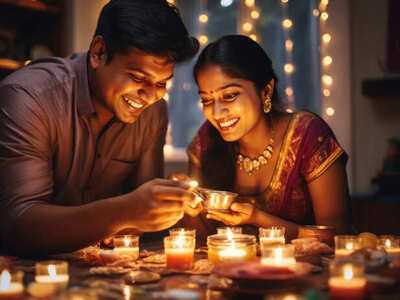 From Karwa Chauth and Teej to Vat Savitri and other regional fasting traditions, women are often expected to sacrifice food, comfort and sometimes their health for their husbands'
Look at the traditional fasting calendar, and you will find several occasions where women are encouraged to pray for a good husband, marital happiness or their husband's long life. Unmarried girls observe some fasts for a desired life partner, while married women follow others for their husbands' well-being. Karwa Chauth, Teej and Vat Savitri are familiar examples. Although men also observe religious fasts, the social expectation that women should undertake these particular marital rituals remains much stronger in many communities.
First a Good Husband, Then His Long LifeThere is an interesting pattern in these traditions. Before marriage, a girl may be encouraged to fast for a suitable husband. After marriage, she may be expected to fast for his health, happiness and longevity. The question is simple: when does the responsibility for maintaining the relationship become mutual? A healthy marriage needs affection, respect and effort from both partners. If prayers and sacrifices are expected from only one person, it becomes necessary to examine whether tradition is being practised through genuine choice or social pressure.
Where Are the Husbands' Fasts?
 when does the responsibility for maintaining the relationship become mutual? A healthy marriage needs affection, respect and effort from both partners.
If fasting is believed to bring discipline, devotion and spiritual benefits, why should these practices be limited by gender? Men can also pray for their wives' health, happiness and long lives. In fact, some communities have traditions in which husbands observe fasts or participate in rituals for their wives. However, these practices do not receive the same widespread social attention as women's marital fasts. The issue is not whether men should fast, but why mutual care is so rarely presented as a shared religious responsibility.
When Faith Becomes a Social ObligationFasting can be a deeply personal expression of faith, but problems arise when women are made to feel guilty for choosing not to observe a ritual. In some families, a woman's devotion is judged by how strictly she follows religious customs. Refusing a fast may invite criticism, questions or emotional pressure. This changes the meaning of the practice. A ritual that should come from personal belief can become an obligation imposed by family and society. Faith deserves respect, but so does an individual's freedom to make personal choices.
The Bigger Question of Women's IdentityThe debate goes beyond fasting. In some traditional marriage settings, women are expected to adjust their routines, priorities, names, lifestyles and even personal ambitions after marriage. Their responsibilities towards the husband's family can become a measure of their worth as wives. When fasting expectations are added to these existing pressures, the question of individual identity becomes even more important. Marriage should bring two people together, not make one person responsible for carrying all the emotional, cultural and religious duties of the relationship.
Can Tradition and Equality Exist Together?Tradition does not have to disappear for equality to grow. Couples can celebrate Karwa Chauth, Teej or other festivals while making the rituals more personal and mutual. Husbands can participate, support their wives and even observe a fast if they wish. Women should also have the freedom to decide whether fasting fits their beliefs, health and circumstances. The purpose of marriage is companionship, not a competition over who makes more sacrifices. When both partners share responsibility, religious celebrations can become more meaningful for the entire family.
A Woman's Devotion Should Be Her Choice
The real question is not whether women should stop fasting or whether men must follow every ritual. It is whether women have the freedom to decide for themselves. A woman who fasts out of love and faith deserves respect, just as a woman who chooses not to fast deserves the same respect. Her devotion cannot be measured by an empty stomach, and her love cannot be judged by the number of religious rituals she follows. A marriage built on equality should value care, respect and responsibility from both sides.
The Bigger MessageFaith should bring people closer, not create unequal expectations within a relationship. If a wife prays for her husband's long life, her health and happiness should matter just as much to him. If women are expected to observe rituals for their families, men should also be encouraged to share the emotional and cultural responsibilities of family life. The real meaning of a lifelong relationship is not one person's sacrifice for another. It is two people choosing to care for each other, every single day.
The question worth asking: If a woman can fast for her husband's long life, why can't a husband make the same commitment for his wife's well-being?
Are relationship issues affecting your peace of mind? Your name energy may be playing a role. Check your name energy here!
Unlock insightful tips and inspiration on personal growth, productivity, and well-being. Stay motivated and updated with the latest at My Life XP.
Why Are Fasts Mostly Associated With Women?
Look at the traditional fasting calendar, and you will find several occasions where women are encouraged to pray for a good husband, marital happiness or their husband's long life. Unmarried girls observe some fasts for a desired life partner, while married women follow others for their husbands' well-being. Karwa Chauth, Teej and Vat Savitri are familiar examples. Although men also observe religious fasts, the social expectation that women should undertake these particular marital rituals remains much stronger in many communities.
First a Good Husband, Then His Long LifeThere is an interesting pattern in these traditions. Before marriage, a girl may be encouraged to fast for a suitable husband. After marriage, she may be expected to fast for his health, happiness and longevity. The question is simple: when does the responsibility for maintaining the relationship become mutual? A healthy marriage needs affection, respect and effort from both partners. If prayers and sacrifices are expected from only one person, it becomes necessary to examine whether tradition is being practised through genuine choice or social pressure.
Where Are the Husbands' Fasts?
If fasting is believed to bring discipline, devotion and spiritual benefits, why should these practices be limited by gender? Men can also pray for their wives' health, happiness and long lives. In fact, some communities have traditions in which husbands observe fasts or participate in rituals for their wives. However, these practices do not receive the same widespread social attention as women's marital fasts. The issue is not whether men should fast, but why mutual care is so rarely presented as a shared religious responsibility.
When Faith Becomes a Social ObligationFasting can be a deeply personal expression of faith, but problems arise when women are made to feel guilty for choosing not to observe a ritual. In some families, a woman's devotion is judged by how strictly she follows religious customs. Refusing a fast may invite criticism, questions or emotional pressure. This changes the meaning of the practice. A ritual that should come from personal belief can become an obligation imposed by family and society. Faith deserves respect, but so does an individual's freedom to make personal choices.
The Bigger Question of Women's IdentityThe debate goes beyond fasting. In some traditional marriage settings, women are expected to adjust their routines, priorities, names, lifestyles and even personal ambitions after marriage. Their responsibilities towards the husband's family can become a measure of their worth as wives. When fasting expectations are added to these existing pressures, the question of individual identity becomes even more important. Marriage should bring two people together, not make one person responsible for carrying all the emotional, cultural and religious duties of the relationship.
Can Tradition and Equality Exist Together?Tradition does not have to disappear for equality to grow. Couples can celebrate Karwa Chauth, Teej or other festivals while making the rituals more personal and mutual. Husbands can participate, support their wives and even observe a fast if they wish. Women should also have the freedom to decide whether fasting fits their beliefs, health and circumstances. The purpose of marriage is companionship, not a competition over who makes more sacrifices. When both partners share responsibility, religious celebrations can become more meaningful for the entire family.
A Woman's Devotion Should Be Her Choice
The real question is not whether women should stop fasting or whether men must follow every ritual. It is whether women have the freedom to decide for themselves. A woman who fasts out of love and faith deserves respect, just as a woman who chooses not to fast deserves the same respect. Her devotion cannot be measured by an empty stomach, and her love cannot be judged by the number of religious rituals she follows. A marriage built on equality should value care, respect and responsibility from both sides.
The Bigger MessageFaith should bring people closer, not create unequal expectations within a relationship. If a wife prays for her husband's long life, her health and happiness should matter just as much to him. If women are expected to observe rituals for their families, men should also be encouraged to share the emotional and cultural responsibilities of family life. The real meaning of a lifelong relationship is not one person's sacrifice for another. It is two people choosing to care for each other, every single day.
The question worth asking: If a woman can fast for her husband's long life, why can't a husband make the same commitment for his wife's well-being?
Are relationship issues affecting your peace of mind? Your name energy may be playing a role. Check your name energy here!
Unlock insightful tips and inspiration on personal growth, productivity, and well-being. Stay motivated and updated with the latest at My Life XP.
Next Story