
Why This Indian Village Has Almost No Tourists Despite Its Incredible Landscape

Imagine a Himalayan settlement surrounded by towering mountains, deep valleys, forested slopes and a river flowing through the landscape, yet far removed from the crowds that fill India's famous hill stations. In Himachal Pradesh, Dodra Kwar offers a glimpse of this quieter side of mountain life.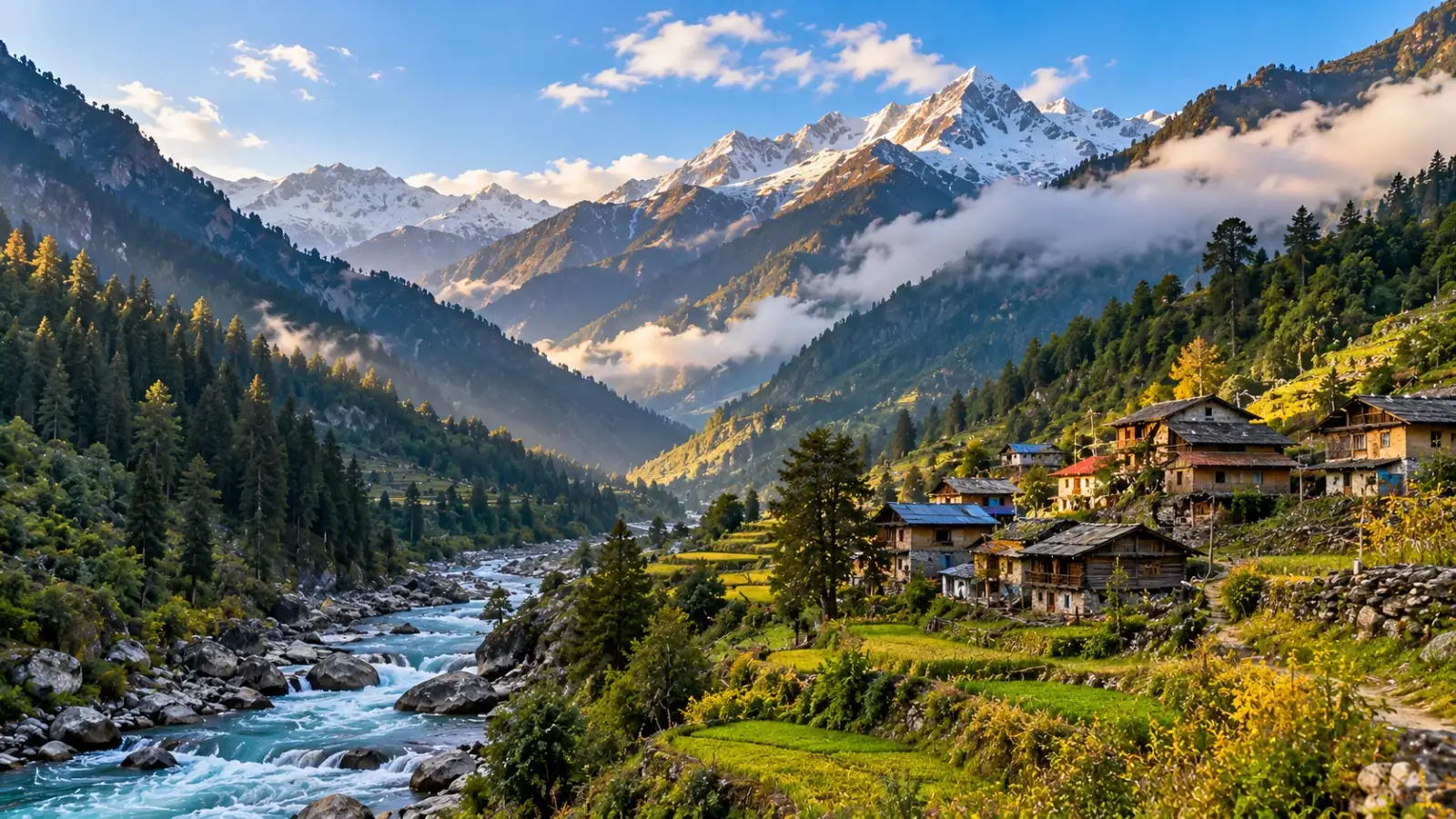
Located in the remote Rohru region of Shimla district, Dodra and Kwar are two separate villages divided by the Rupin River . Their spectacular surroundings make them appealing to travellers who enjoy natural scenery, but reaching them requires more planning than a conventional holiday to Shimla or Manali.
These villages are not completely unknown to travellers. However, their remote location, demanding road journey and limited tourism infrastructure help explain why they remain less accessible to mainstream visitors.
The journey commonly involves travelling from the Rohru side and crossing Chanshal Pass , depending on the route and prevailing road conditions. Chanshal Pass connects parts of the region and is known for its high-altitude scenery, but access can be affected by snowfall, rain, landslides and road maintenance.
Unlike Shimla, which has established hotels, busy markets and a well-developed tourism economy, Dodra Kwar has a more rural character. Daily life revolves around local needs, farming, livestock and community activities rather than large numbers of visitors.
That difference is part of what makes the destination interesting.
Travellers heading to Shimla or Manali can choose from a range of transport options, accommodation categories and established sightseeing routes. Reaching Dodra Kwar generally requires more careful planning, particularly when travelling through high mountain roads.
Narrow stretches, sharp bends, changing weather and rough road conditions can make the journey challenging. Travellers may also need to adjust their plans according to local advice and road accessibility.
For visitors with limited time, this can be a major drawback. For those who enjoy remote destinations, however, the journey is part of the experience.
Accommodation and food arrangements may be limited, and travellers should not assume that every modern convenience will be available. Advance planning is particularly important for families, older travellers and anyone with specific dietary or accessibility requirements.
This limited infrastructure helps preserve the area's quieter atmosphere, but it also means the villages are better suited to independent travellers who are comfortable with simple arrangements.
Visitors should confirm accommodation, food availability and transport before starting the journey rather than relying on last-minute bookings.
Dodra Kwar lies beyond the routes most first-time visitors prioritise. It is less likely to feature in a short weekend itinerary because reaching the area takes time and leaves fewer hours for other attractions.
The region therefore appeals more to travellers who want to explore beyond the usual sightseeing circuit.
Its relative obscurity should not be confused with an absence of local life or cultural value. These are working villages, not destinations created solely for tourism.
Dodra Kwar's appeal lies in the overall landscape rather than a single attraction designed for quick sightseeing. Visitors come for mountain views, rural surroundings, river valleys and the experience of travelling through a less commercialised region.
That kind of appeal can be harder to communicate through a short social media post than a famous viewpoint or a landmark with a recognisable name.
Depending on the season and weather, the scenery may include green slopes, drifting clouds, snow on higher ground and distant mountain ridges.
The changing light can transform the landscape throughout the day. Early mornings may bring clear views, while afternoon clouds can obscure the surrounding peaks.
The river adds to the area's scenic character, but it should be treated with respect. Mountain streams can rise quickly after rainfall or snowmelt, and rocky banks may be slippery.
Visitors should avoid entering fast-flowing water or approaching unstable river edges simply to take photographs.
Travelling through these landscapes offers a view of Himachal Pradesh beyond its busiest tourist centres. Fields and homes are part of a living rural environment, so visitors should be considerate when walking through villages or photographing residents.
The area's appeal is not limited to scenery. It also lies in observing how people adapt their daily routines to mountainous terrain, seasonal weather and the practical demands of living in a remote region.
Late spring and summer can offer relatively favourable conditions, although mountain weather remains changeable. Autumn may bring clear skies and attractive views, depending on the year.
Winter can bring snow and severe cold, particularly around high passes. Access may become difficult or impossible when roads are blocked, so a winter visit requires careful local planning.
The monsoon season can bring heavy rain, landslides and road disruptions. Travellers should check current conditions before departure and avoid setting out when authorities or local residents advise against travel.
There is no fixed date that guarantees a safe or straightforward journey. Local road information is more important than relying on a general seasonal travel guide.
First, allow enough time for the journey and avoid planning a tight return schedule. Road conditions can change, and delays may affect travel plans.
Second, confirm accommodation and transport arrangements in advance. Carry essential medicines, a first-aid kit, warm clothing, drinking water and snacks.
Third, download offline maps where possible because mobile coverage may be unreliable. Keep a charged phone and a power bank, but do not rely entirely on digital navigation.
Finally, travel responsibly. Avoid littering, respect local customs, ask permission before photographing people and do not disturb livestock or agricultural land.
If conditions deteriorate, postponing a journey is a better decision than attempting to cross an unsafe mountain route.
The relative lack of mainstream tourism is partly a result of geography and limited infrastructure. These same factors can make travel challenging, but they also mean that visitors need to approach the region with patience and realistic expectations.
Rather than treating Dodra Kwar as an undiscovered attraction that must be promoted to everyone, it is better to recognise it as a living mountain community. Responsible travel can bring visitors closer to its landscape while respecting the people who call it home.
For travellers willing to plan carefully and accept a simpler experience, these remote villages offer a different perspective on India's Himalayan beauty.
Located in the remote Rohru region of Shimla district, Dodra and Kwar are two separate villages divided by the Rupin River . Their spectacular surroundings make them appealing to travellers who enjoy natural scenery, but reaching them requires more planning than a conventional holiday to Shimla or Manali.
These villages are not completely unknown to travellers. However, their remote location, demanding road journey and limited tourism infrastructure help explain why they remain less accessible to mainstream visitors.
Where Are Dodra and Kwar Located?
Dodra and Kwar lie in the upper reaches of Shimla district in Himachal Pradesh, close to the border with Uttarakhand. The villages sit in a mountainous landscape shaped by the Rupin River, steep slopes, forested hills and traditional agricultural settlements.The journey commonly involves travelling from the Rohru side and crossing Chanshal Pass , depending on the route and prevailing road conditions. Chanshal Pass connects parts of the region and is known for its high-altitude scenery, but access can be affected by snowfall, rain, landslides and road maintenance.
Unlike Shimla, which has established hotels, busy markets and a well-developed tourism economy, Dodra Kwar has a more rural character. Daily life revolves around local needs, farming, livestock and community activities rather than large numbers of visitors.
That difference is part of what makes the destination interesting.
Why Does This Beautiful Region Receive Fewer Tourists?
1. The Journey Is More Demanding Than a Typical Hill Holiday
One of the biggest reasons Dodra Kwar remains relatively quiet is the effort required to reach it.Travellers heading to Shimla or Manali can choose from a range of transport options, accommodation categories and established sightseeing routes. Reaching Dodra Kwar generally requires more careful planning, particularly when travelling through high mountain roads.
Narrow stretches, sharp bends, changing weather and rough road conditions can make the journey challenging. Travellers may also need to adjust their plans according to local advice and road accessibility.
For visitors with limited time, this can be a major drawback. For those who enjoy remote destinations, however, the journey is part of the experience.
2. The Region Has Limited Tourism Infrastructure
Popular hill stations have a wide selection of hotels, restaurants, cafés, shops and organised activities. Remote villages such as Dodra and Kwar have fewer visitor facilities.Accommodation and food arrangements may be limited, and travellers should not assume that every modern convenience will be available. Advance planning is particularly important for families, older travellers and anyone with specific dietary or accessibility requirements.
This limited infrastructure helps preserve the area's quieter atmosphere, but it also means the villages are better suited to independent travellers who are comfortable with simple arrangements.
Visitors should confirm accommodation, food availability and transport before starting the journey rather than relying on last-minute bookings.
3. The Villages Are Outside the Usual Tourist Circuit
Many visitors to Himachal Pradesh follow familiar routes that include Shimla, Kufri, Manali, Dharamshala or popular trekking destinations.Dodra Kwar lies beyond the routes most first-time visitors prioritise. It is less likely to feature in a short weekend itinerary because reaching the area takes time and leaves fewer hours for other attractions.
The region therefore appeals more to travellers who want to explore beyond the usual sightseeing circuit.
Its relative obscurity should not be confused with an absence of local life or cultural value. These are working villages, not destinations created solely for tourism.
4. Social Media Has Not Made Every Remote Landscape Famous
Some Indian destinations have become widely recognised through dramatic photographs, travel videos and influencer visits. Others receive less attention because they are harder to reach, offer fewer tourist services or have not developed a strong online presence.Dodra Kwar's appeal lies in the overall landscape rather than a single attraction designed for quick sightseeing. Visitors come for mountain views, rural surroundings, river valleys and the experience of travelling through a less commercialised region.
That kind of appeal can be harder to communicate through a short social media post than a famous viewpoint or a landmark with a recognisable name.
What Makes Dodra Kwar's Landscape So Special?
Mountain Views and Deep Valleys
The villages are surrounded by the dramatic terrain of the western Himalayas. Mountain slopes rise above the settlements, while the valley creates a sense of depth and scale that is difficult to appreciate from photographs alone.Depending on the season and weather, the scenery may include green slopes, drifting clouds, snow on higher ground and distant mountain ridges.
The changing light can transform the landscape throughout the day. Early mornings may bring clear views, while afternoon clouds can obscure the surrounding peaks.
The Rupin River
The Rupin River is an important feature of the region's geography. Its waters run through a rugged mountain landscape, shaping the valley and forming part of the wider river system that connects Himalayan settlements.The river adds to the area's scenic character, but it should be treated with respect. Mountain streams can rise quickly after rainfall or snowmelt, and rocky banks may be slippery.
Visitors should avoid entering fast-flowing water or approaching unstable river edges simply to take photographs.
Forests, Slopes and Rural Surroundings
The wider region includes forested slopes, agricultural land and small settlements connected by mountain roads and footpaths.Travelling through these landscapes offers a view of Himachal Pradesh beyond its busiest tourist centres. Fields and homes are part of a living rural environment, so visitors should be considerate when walking through villages or photographing residents.
The area's appeal is not limited to scenery. It also lies in observing how people adapt their daily routines to mountainous terrain, seasonal weather and the practical demands of living in a remote region.
What Can Travellers Do Here?
Dodra Kwar is best approached as a destination for slow travel rather than a place packed with commercial attractions.- Enjoy the mountain scenery from safe viewpoints and suitable roadside stops.
- Explore the villages respectfully, keeping in mind that homes, farms and pathways are private or community spaces.
- Observe local architecture, agricultural practices and everyday rural life without disturbing residents.
- Take landscape photographs of the valley, forested slopes and river surroundings.
- Spend time appreciating the quiet atmosphere rather than trying to fit numerous stops into a single day.
When Is the Best Time to Visit?
The best time to visit depends on road access, weather conditions and the kind of landscape you want to experience.Late spring and summer can offer relatively favourable conditions, although mountain weather remains changeable. Autumn may bring clear skies and attractive views, depending on the year.
Winter can bring snow and severe cold, particularly around high passes. Access may become difficult or impossible when roads are blocked, so a winter visit requires careful local planning.
The monsoon season can bring heavy rain, landslides and road disruptions. Travellers should check current conditions before departure and avoid setting out when authorities or local residents advise against travel.
There is no fixed date that guarantees a safe or straightforward journey. Local road information is more important than relying on a general seasonal travel guide.
Practical Tips Before Planning Your Trip
A visit to Dodra Kwar requires more preparation than a standard hill-station holiday.You may also like
- When his mother fell seriously ill, Bihar's Monu Meturbala prayed for her recovery and made a promise to Lord Shiva; today, the 19-year-old is running thousands of kilometres to visit 12 Jyotirlingas
- 10 Amazing Benefits of Reetha for Hair
- 5 Daily Habits To Help You Prevent Hair Loss
- 10 Famous UNESCO Heritage Sites To Visit in Nepal
- 5 Popular National Parks To Explore in Meghalaya
First, allow enough time for the journey and avoid planning a tight return schedule. Road conditions can change, and delays may affect travel plans.
Second, confirm accommodation and transport arrangements in advance. Carry essential medicines, a first-aid kit, warm clothing, drinking water and snacks.
Third, download offline maps where possible because mobile coverage may be unreliable. Keep a charged phone and a power bank, but do not rely entirely on digital navigation.
Finally, travel responsibly. Avoid littering, respect local customs, ask permission before photographing people and do not disturb livestock or agricultural land.
If conditions deteriorate, postponing a journey is a better decision than attempting to cross an unsafe mountain route.
Why Places Like Dodra Kwar Deserve Attention
Dodra Kwar shows that a destination does not need luxury resorts, crowded markets or a long list of tourist attractions to be memorable. Its appeal comes from the surrounding mountains, the Rupin River, the rural landscape and the opportunity to experience a quieter part of Himachal Pradesh.The relative lack of mainstream tourism is partly a result of geography and limited infrastructure. These same factors can make travel challenging, but they also mean that visitors need to approach the region with patience and realistic expectations.
Rather than treating Dodra Kwar as an undiscovered attraction that must be promoted to everyone, it is better to recognise it as a living mountain community. Responsible travel can bring visitors closer to its landscape while respecting the people who call it home.
For travellers willing to plan carefully and accept a simpler experience, these remote villages offer a different perspective on India's Himalayan beauty.






Loving Newspoint? Download the app now
