
Why Does Butter Melt Faster Than Some Other Foods? The Science Behind Your Kitchen Counter

Leave a block of butter on the kitchen counter and it gradually changes from firm and sliceable to soft and spreadable. Give it enough heat and it becomes liquid. Yet not every food behaves this way. Chocolate, cheese, coconut oil and other fats can respond quite differently to temperature. The reason lies in butter's unusual structure. It is not simply a lump of fat. It is a carefully organised mixture of milk fat, water and milk solids, and its fat contains many different molecules with different melting behaviours.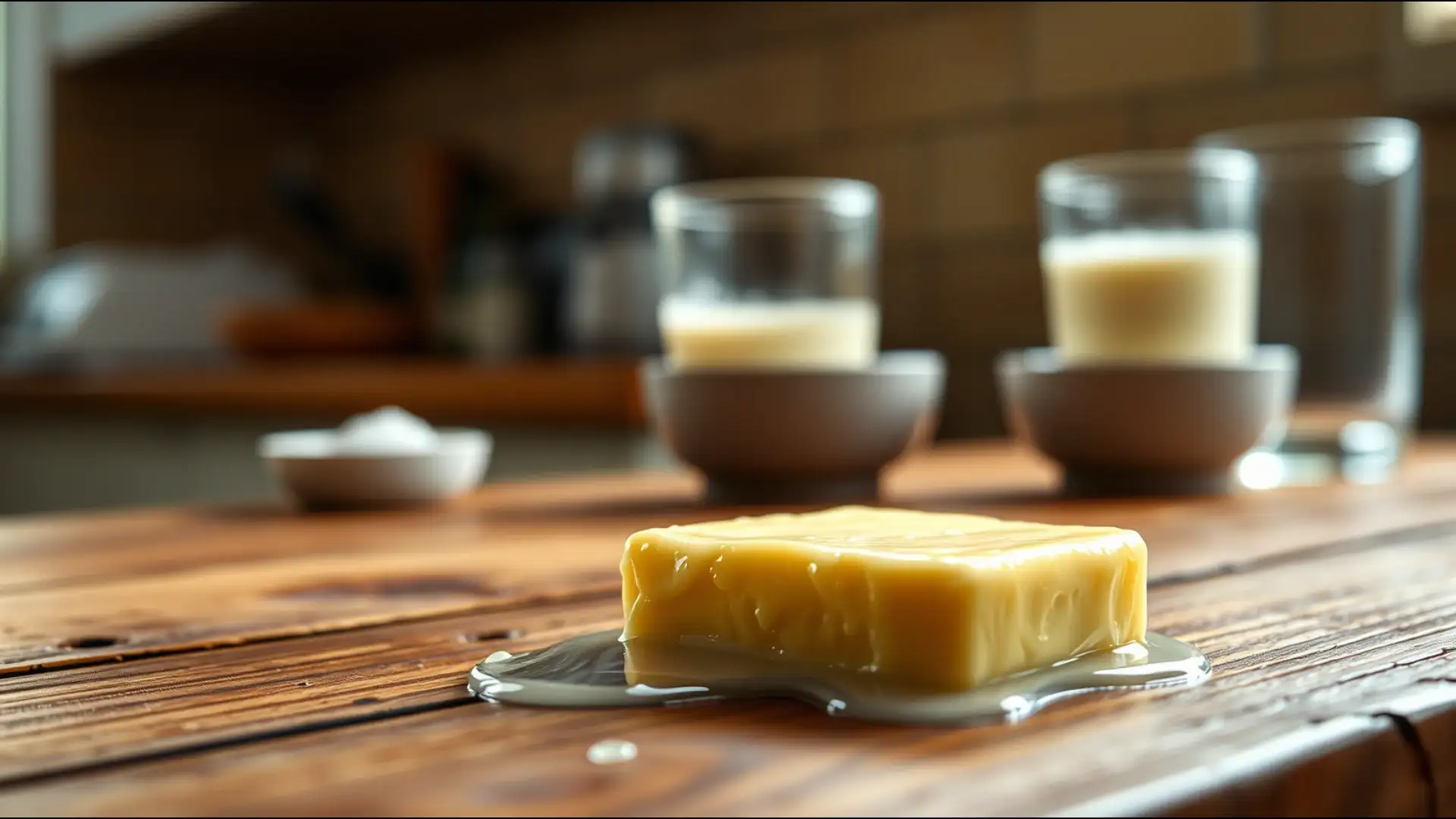
That composition matters because milk fat is not one single substance. It contains many triglycerides, and those fats do not all melt at the same temperature.
The USDA explains that butterfat contains triglycerides with different melting characteristics. Some components are solid while others are already liquid at the same temperature.
As the temperature rises, more of the crystalline fat structure breaks down. The result is the familiar progression from hard butter to softened butter and eventually melted butter.
This is also why recipes often specify softened rather than melted butter. Soft butter can be beaten with sugar to create a structure that helps cakes and biscuits develop their intended texture. Melted butter behaves differently because the fat crystals have already lost their organised structure.
This helps explain why butter can be firm when chilled but surprisingly quick to soften on a warm worktop.
The seemingly ordinary butter dish is therefore a small lesson in food chemistry. Its quick transformation from solid to liquid is not a flaw. It is the result of a remarkably complex mixture of fats working together.
Butter Is Mostly Fat, But Not Only Fat
According to the US Department of Agriculture, standard butter contains at least 80 per cent milk fat. The University of Wisconsin's Center for Dairy Research describes typical butter as roughly 80 to 82 per cent fat, with water and small amounts of milk solids making up the remainder.That composition matters because milk fat is not one single substance. It contains many triglycerides, and those fats do not all melt at the same temperature.
Butter Has a Range Rather Than One Simple Melting Point
This is one reason butter behaves differently from substances that have a sharply defined melting point.The USDA explains that butterfat contains triglycerides with different melting characteristics. Some components are solid while others are already liquid at the same temperature.
You may also like
- Love Piping-Hot Tea or Coffee? Research Links Very Hot Drinks to Higher Esophageal Cancer Risk
- Taking Painkillers Too Often? Your Kidneys Could Be at Risk, Nephrologists Warn
- EPFO Update: From PF-related tasks to UAN activation—get these things done in a jiffy without having to make rounds to your employer..
- Meet Jyoti Srivastava: She once designed rockets for the Indian Army; now she makes baby food inspired by her son's own diet
- Bank Holiday: Will banks in Delhi remain closed on September 11? Know the full facts regarding the BRICS Summit and the strike..
As the temperature rises, more of the crystalline fat structure breaks down. The result is the familiar progression from hard butter to softened butter and eventually melted butter.
Why Room Temperature Changes Everything
A cool kitchen can keep butter relatively firm, while a warm kitchen can transform it quickly. The same block may therefore behave very differently in winter and summer.This is also why recipes often specify softened rather than melted butter. Soft butter can be beaten with sugar to create a structure that helps cakes and biscuits develop their intended texture. Melted butter behaves differently because the fat crystals have already lost their organised structure.
Butter’s Fat Chemistry Matters
The Center for Dairy Research notes that milk fat contains both saturated and unsaturated fats. More unsaturated fatty acids tend to lower melting behaviour because their molecular structures do not pack together as efficiently.This helps explain why butter can be firm when chilled but surprisingly quick to soften on a warm worktop.
Why This Matters When Cooking
Understanding butter's behaviour can improve everyday baking. If a recipe asks for softened butter, warming it aggressively in the microwave can change the result because parts of the butter may begin melting before the rest softens.The seemingly ordinary butter dish is therefore a small lesson in food chemistry. Its quick transformation from solid to liquid is not a flaw. It is the result of a remarkably complex mixture of fats working together.






Loving Newspoint? Download the app now
