
Why Does Curd Become Sour at Room Temperature? Know the Reason

Have you ever noticed that a bowl of curd tastes fresh and mild when eaten soon after preparation, but becomes noticeably sour when left outside for several hours? This change is a natural part of curd fermentation . The microorganisms that help turn milk into curd can continue working after the curd sets, especially when it is kept at room temperature.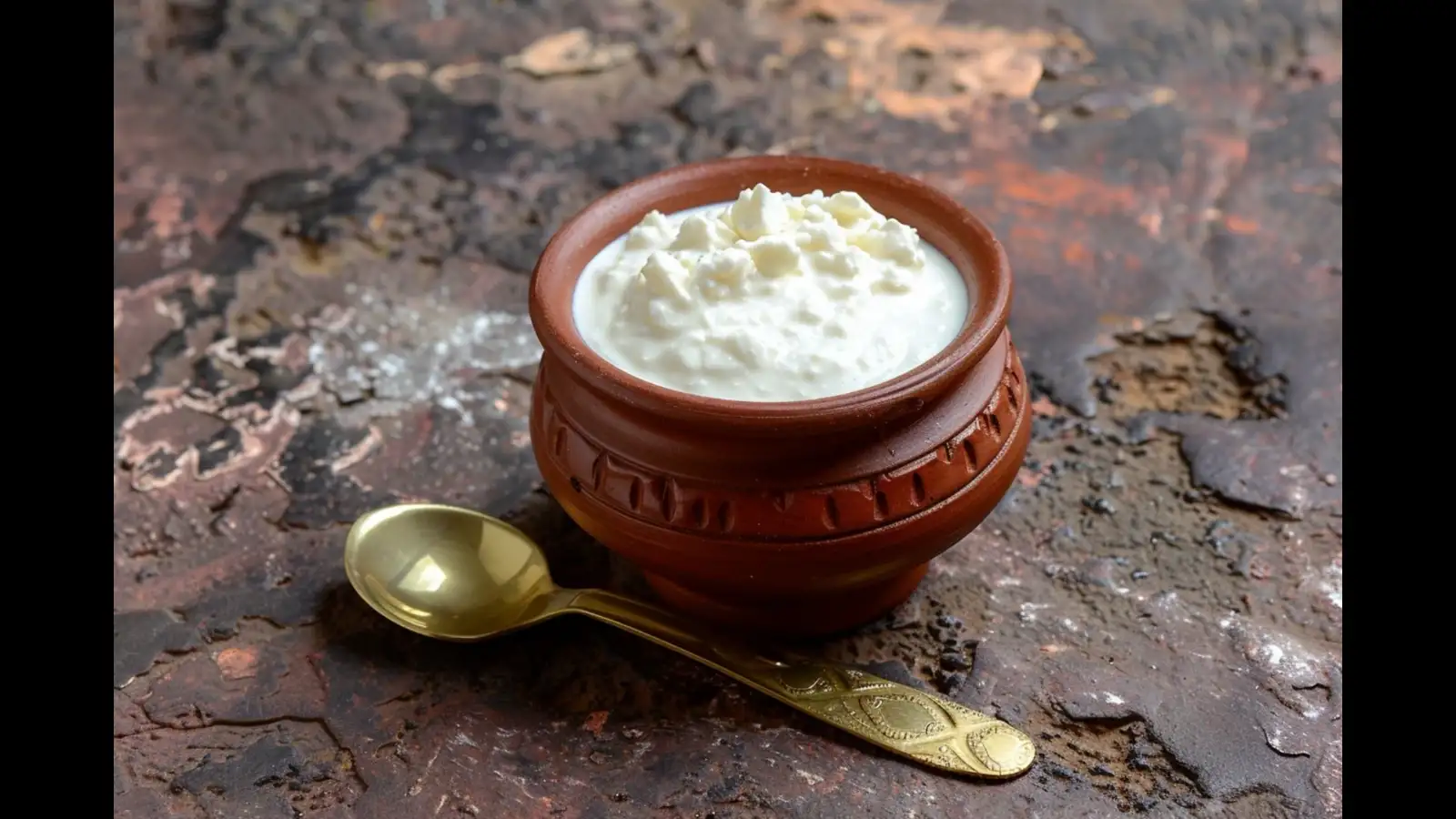
The result is a gradual increase in acidity, which gives curd its familiar tangy taste. But why does this happen, and what changes inside the curd as it becomes sour?
During fermentation, the bacteria use lactose and produce lactic acid. As the acid level increases, the pH of the milk falls.
Milk contains a protein called casein. Under normal conditions, casein remains dispersed in the liquid. As the milk becomes more acidic, the casein proteins lose their usual stability and begin to come together.
This causes the milk to thicken and form the soft, gel-like texture of curd.
The familiar taste of curd is therefore linked to the activity of bacteria and the production of lactic acid.
When curd is left at room temperature, the bacteria can remain active and continue using available lactose. More lactic acid may build up, increasing the curd's acidity.
This is why curd that has been left outside for too long can taste sharper or more sour than freshly set curd.
At warmer room temperatures, the bacteria involved in curd fermentation generally work more quickly than they do under refrigeration. This can cause curd to become sour faster.
In a cooler environment, bacterial activity slows down. Refrigeration therefore helps slow the further development of acidity and keeps the taste milder for longer.
However, refrigeration does not instantly stop all bacterial activity. It mainly slows the process.
As fermentation continues, the amount of lactic acid can increase. This lowers the pH, making the curd more acidic.
The change in taste is not necessarily a sign that something unusual has happened. It can be a normal result of the same fermentation process that produced the curd in the first place.
However, sourness alone cannot tell you whether curd is safe to eat. Food safety also depends on how it was prepared, stored and handled.
The speed and final taste of the process can vary depending on several factors:
Curd naturally has an acidic taste, and a moderate increase in sourness can occur as fermentation continues. Sourness by itself does not prove that curd has spoiled.
However, curd can also become unsafe if it is contaminated or stored improperly. Harmful microorganisms may grow under unsuitable conditions, and they may not always produce an obvious smell or visible change.
Watch for signs such as:
However, this does not mean every batch of sour curd is safe. If it has been stored improperly or shows signs of spoilage, it should be discarded.
Room temperature generally allows this process to continue more quickly, while refrigeration slows it down.
So, the next time your curd tastes sharper than usual, the reason lies in the tiny microorganisms that helped make it in the first place. Their activity is responsible for both the curd's formation and its familiar tangy flavour.
Disclaimer: This article is for general informational purposes. Curd quality and safety depend on preparation and storage conditions. NewsPoint does not independently verify individual food products or recommend consuming curd that may have spoiled.
The result is a gradual increase in acidity, which gives curd its familiar tangy taste. But why does this happen, and what changes inside the curd as it becomes sour?
How Milk Turns Into Curd
Curd is made when selected lactic acid bacteria ferment the lactose, or natural sugar, present in milk. These bacteria are commonly associated with traditional curd-making and include species from groups such as Lactobacillus and Streptococcus.During fermentation, the bacteria use lactose and produce lactic acid. As the acid level increases, the pH of the milk falls.
Milk contains a protein called casein. Under normal conditions, casein remains dispersed in the liquid. As the milk becomes more acidic, the casein proteins lose their usual stability and begin to come together.
This causes the milk to thicken and form the soft, gel-like texture of curd.
The familiar taste of curd is therefore linked to the activity of bacteria and the production of lactic acid.
Why Does Curd Become More Sour Outside the Fridge?
The fermentation process does not necessarily stop as soon as curd becomes thick. Some bacteria may continue producing lactic acid while conditions remain suitable for their activity.When curd is left at room temperature, the bacteria can remain active and continue using available lactose. More lactic acid may build up, increasing the curd's acidity.
This is why curd that has been left outside for too long can taste sharper or more sour than freshly set curd.
Temperature Makes a Difference
Temperature plays an important role in fermentation.At warmer room temperatures, the bacteria involved in curd fermentation generally work more quickly than they do under refrigeration. This can cause curd to become sour faster.
In a cooler environment, bacterial activity slows down. Refrigeration therefore helps slow the further development of acidity and keeps the taste milder for longer.
However, refrigeration does not instantly stop all bacterial activity. It mainly slows the process.
What Happens to the Acidity?
The sour taste of curd is closely associated with lactic acid.As fermentation continues, the amount of lactic acid can increase. This lowers the pH, making the curd more acidic.
The change in taste is not necessarily a sign that something unusual has happened. It can be a normal result of the same fermentation process that produced the curd in the first place.
However, sourness alone cannot tell you whether curd is safe to eat. Food safety also depends on how it was prepared, stored and handled.
Why Does Homemade Curd Sometimes Turn Sour Faster?
Homemade curd is often prepared by adding a small amount of previously made curd to warm milk. This introduces bacteria that help start fermentation.The speed and final taste of the process can vary depending on several factors:
- Temperature: Warmer conditions can speed up fermentation.
- Starter curd: The microorganisms present in the starter influence the fermentation.
- Fermentation time: Longer fermentation can allow more acid to develop.
- Milk composition: The type and composition of milk can affect the texture and taste.
- Storage conditions: Keeping curd outside or in a warm place can encourage further acid production.
Is Sour Curd Spoiled?
Not necessarily.Curd naturally has an acidic taste, and a moderate increase in sourness can occur as fermentation continues. Sourness by itself does not prove that curd has spoiled.
However, curd can also become unsafe if it is contaminated or stored improperly. Harmful microorganisms may grow under unsuitable conditions, and they may not always produce an obvious smell or visible change.
Watch for signs such as:
- Unusual mould growth.
- Unpleasant or abnormal odour.
- Unexpected colour changes.
- A slimy or otherwise unusual texture.
- Signs of contamination or poor storage.
How to Keep Curd Fresh for Longer
Proper storage helps slow further fermentation and maintain the curd's taste and texture.Refrigerate After Setting
Once the curd has set, place it in the refrigerator rather than leaving it outside for prolonged periods. Cooling slows bacterial activity and helps reduce the rate at which acidity develops.Use Clean Utensils
Always use clean spoons and containers when preparing or serving curd. This helps reduce the risk of introducing unwanted microorganisms.You may also like
- In the 1630s, people paid fortunes for tulip bulbs: How a flower became one of history's strangest investments
- His passport had expired before his flight; then Dubai Airport (DBX) renewed it in just 8 minutes; here's how the little-known service works
- 39 wives, 94 children and a four-storey mansion: The story of Ziona Chana, the Mizoram man who once headed the 'world's biggest family'
- EPFO will now provide updates to account holders via a WhatsApp channel; learn the easy way to join..
- This gang has already circulated counterfeit ₹10 and ₹20 coins worth ₹70 crore; here is how to spot fake coins in two minutes..
Avoid Repeatedly Leaving It Outside
Taking curd out of the refrigerator and leaving it in warm conditions for long periods can affect its quality and safety. Keep it chilled when it is not being served.Prepare Smaller Batches
If curd is consumed regularly, making smaller quantities can help reduce the time it spends in storage.Can Sour Curd Still Be Used?
Slightly sour curd that has been properly stored may still be suitable for culinary uses, depending on its condition. It can be used in recipes such as kadhi, certain marinades, or other preparations where a tangy flavour is desired.However, this does not mean every batch of sour curd is safe. If it has been stored improperly or shows signs of spoilage, it should be discarded.
The Science Behind Curd's Tangy Taste
Curd turns sour because its fermentation process can continue after the milk has thickened. Lactic acid bacteria convert lactose into lactic acid, increasing acidity and changing the taste.Room temperature generally allows this process to continue more quickly, while refrigeration slows it down.
So, the next time your curd tastes sharper than usual, the reason lies in the tiny microorganisms that helped make it in the first place. Their activity is responsible for both the curd's formation and its familiar tangy flavour.
Disclaimer: This article is for general informational purposes. Curd quality and safety depend on preparation and storage conditions. NewsPoint does not independently verify individual food products or recommend consuming curd that may have spoiled.






Loving Newspoint? Download the app now
