
Why Does Metal Feel Colder Than Wood at the Same Temperature?

Touch a metal railing on a winter morning and it can feel painfully cold. Touch a wooden bench sitting right beside it, however, and the wood may seem surprisingly comfortable. Yet both objects could be sitting at exactly the same temperature. So is the metal actually colder? Not necessarily. The answer lies in the way heat moves between your skin and the material you touch. This everyday experience is a simple demonstration of thermal conductivity , and it explains why some objects feel warmer or colder than their actual temperature suggests.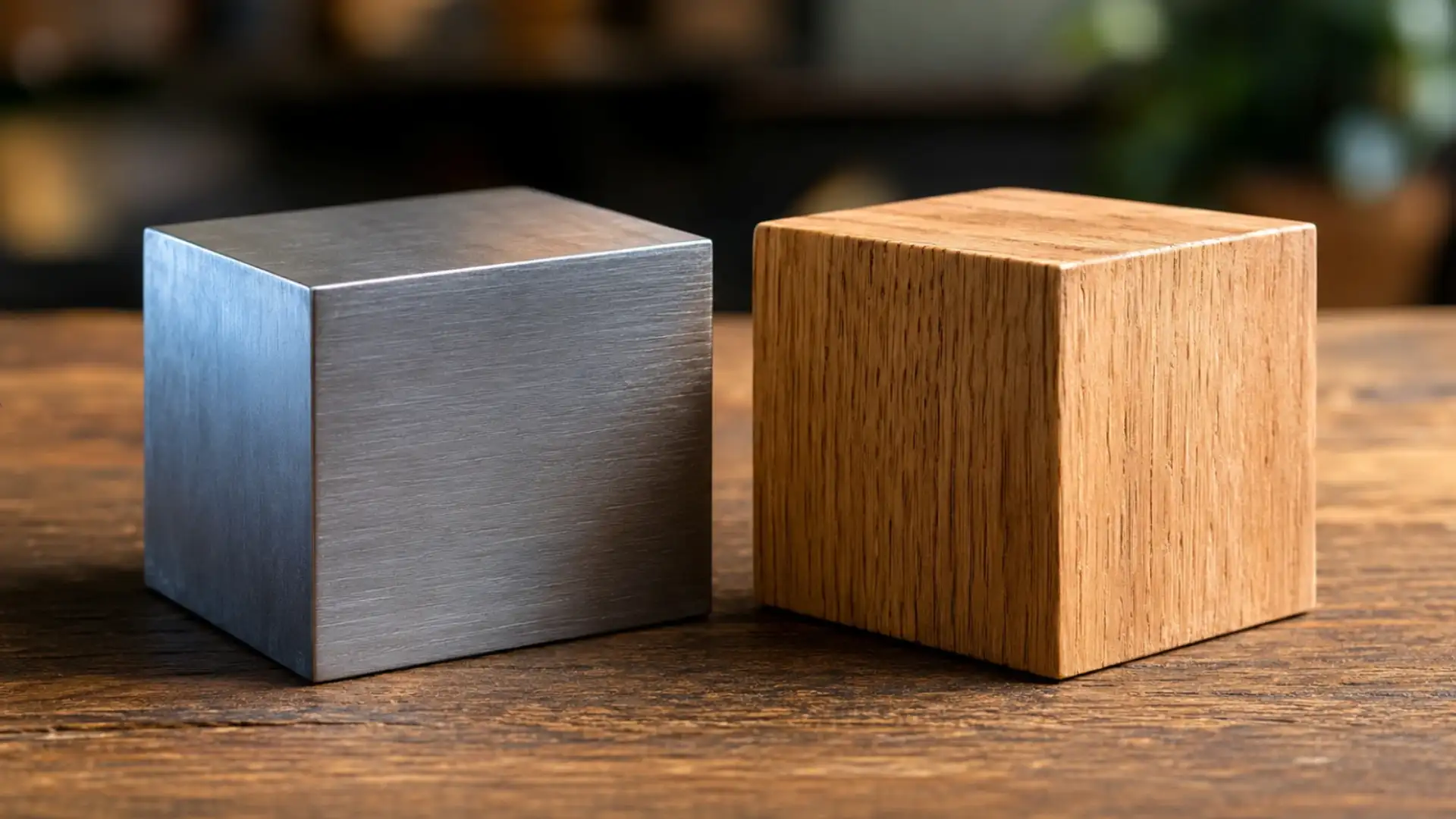
Metal is an excellent conductor of heat. When your hand touches a metal surface, the heat from your skin is rapidly carried away from the contact area and distributed through the material. Your temperature sensors interpret this rapid heat loss as intense cold.
Wood behaves very differently. It is a poor conductor of heat, partly because its structure contains tiny pockets of air. When you touch wood, heat leaves your skin much more slowly. As a result, the surface does not feel as cold, even though its actual temperature may be identical to that of the metal.
The same principle explains why a metal spoon left in a cup of tea becomes hot quickly, while a wooden stirrer remains relatively comfortable to hold.
Interestingly, the opposite can happen with very hot objects. A metal surface can feel dangerously hot because it transfers heat into your skin rapidly.
So next time a metal door handle feels icy while the wooden door beside it seems warmer, remember that your hand is not simply detecting temperature. It is detecting how quickly heat is moving.
Why Metal Feels Colder Than Wood
Your skin is constantly exchanging heat with the objects around you. When you touch something colder than your body, heat moves from your skin into that object. The faster this happens, the colder the object feels.Metal is an excellent conductor of heat. When your hand touches a metal surface, the heat from your skin is rapidly carried away from the contact area and distributed through the material. Your temperature sensors interpret this rapid heat loss as intense cold.
You may also like
- Health Tips: These are the main symptoms of swine flu, do not ignore them
- Health Tips: To get rid of fatty liver problems, include these three things in your diet today
- Union Minister Kiren Rijiju responds to Arunachal girl's cute request, “Humko Indian bolo”: “You have become famous; the whole of India loves you”
- High heels were originally made for men, here's surprising story
- 5 Cucumber Skincare Secrets for Fresh, Glowing Skin
Wood behaves very differently. It is a poor conductor of heat, partly because its structure contains tiny pockets of air. When you touch wood, heat leaves your skin much more slowly. As a result, the surface does not feel as cold, even though its actual temperature may be identical to that of the metal.
Your Skin Is Measuring Heat Flow
This is why the phrase "feels colder" is important. Your skin does not directly measure an object's temperature in the same way a thermometer does. It responds strongly to the rate at which heat is moving.The same principle explains why a metal spoon left in a cup of tea becomes hot quickly, while a wooden stirrer remains relatively comfortable to hold.
Why This Matters in Everyday Life
Thermal conductivity is important in architecture, engineering and product design. Metal is useful for cooking pans because it transfers heat efficiently, while materials such as wood, cork and foam are valuable for insulation.Interestingly, the opposite can happen with very hot objects. A metal surface can feel dangerously hot because it transfers heat into your skin rapidly.
So next time a metal door handle feels icy while the wooden door beside it seems warmer, remember that your hand is not simply detecting temperature. It is detecting how quickly heat is moving.






Loving Newspoint? Download the app now
