
Why Does South India Worship Mahabharata's Shakuni?


Shakuni is remembered as one of the most dangerous strategists in the Mahabharata. His dice game with the Pandavas, his influence over Duryodhana and his role in the chain of events leading to the Kurukshetra war have made his name almost synonymous with cunning. Yet, in a small part of Kerala, the story takes an unexpected turn. There is a shrine dedicated to Shakuni where a stone associated with him is revered instead of a conventional idol. The tradition is especially fascinating because it does not fit the simple hero-versus-villain image many people grow up with.

The Temple That Remembers Shakuni
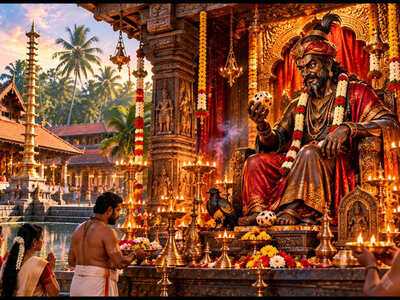 The Mayamkottu Malancharuvu Malanada Temple in Kollam is associated with the local worship of Shakuni.
The Shakuni Temple Kerala tradition is associated with Pavithreswaram in Kollam district. Unlike a typical temple built around a large sculpted deity, the shrine's tradition centres on a sacred stone or seat associated with Shakuni. The temple's official website identifies it as the Mayamcottu Malanchavaru Devaswom and calls it the only Shakuni Deva temple in India. It also records regular Mahabharata recitations and the annual Malakkuda Uchara Maholsavam. This makes the place unusual even within Kerala, a state known for preserving distinctive local forms of epic and folk traditions.
Why a Stone Stands for Shakuni
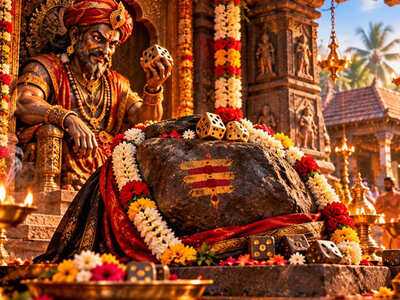 Local tradition associates a sacred stone at the shrine with Shakuni's presence and meditation.
One of the most intriguing details of the Shakuni temple in Kerala is the absence of a conventional idol representing him. Local accounts describe a stone or throne-like seat as the focus of worship. According to regional tradition, Shakuni came to this area after the Mahabharata war and performed penance to Lord Shiva. The stone connected with this story is therefore treated as sacred. These details belong to Kerala's local folklore rather than the main narrative of the Sanskrit Mahabharata. That distinction matters because regional traditions often preserve stories that are different from the better-known versions of an epic.
The Shakuni Story Changes HereIn the familiar Mahabharata story, Shakuni is closely connected with Duryodhana and the infamous dice match that changed the Pandavas' lives. His intelligence is often presented alongside his manipulation and revenge. Kerala's local tradition does not necessarily erase those actions, but it remembers another side of his story. Local beliefs say Shakuni eventually came to the region and sought spiritual peace through penance. Some accounts also connect his worship with his determination and strategic ability. This creates a more layered character: not a hero replacing a villain, but a controversial figure remembered through a different cultural lens.
Why Kerala Has Its Own MahabharataThe Mahabharata in Kerala is not limited to one single retelling. Across India, communities have adapted epic characters into local stories, rituals and festivals. Scholars have pointed out that the Mahabharata has developed through many regional narrative traditions rather than existing only as one uniform popular story. India Today, citing Kerala scholar Sunil P. Ilayidom, notes that different societies have woven their own stories onto the epic narrative according to their social and historical contexts. The Shakuni tradition in Kollam can therefore be understood as part of Kerala's wider culture of localising epic characters.
The Meaning Behind Shakuni WorshipCalling Shakuni a worshipped figure does not mean that every devotee considers his actions in the Mahabharata morally correct. Religious traditions can preserve a character for particular qualities, local associations or legends surrounding a place. Reports about the Kerala shrine connect Shakuni with qualities such as intelligence, determination and strategic ability, while local folklore also gives him a later spiritual journey. The temple therefore opens an interesting question: can a community remember a flawed character without accepting every action associated with him? Kerala's Shakuni tradition suggests that cultural memory can be more complicated than a simple good-versus-evil label.
A Festival Keeps the Tradition AliveThe tradition is not limited to a quiet shrine. The temple's official website records the annual Malakkuda Uchara Maholsavam, along with folk traditions such as Bharatham Kali, Malakkuda processions and Kettukazhcha. This living festival culture is important because it shows that the Shakuni story is not merely an internet curiosity. It survives through community practice, oral tradition and annual celebrations. Reports have also documented the temple's association with offerings and local rituals. Such practices show how a character from an ancient epic can acquire a new regional identity over time.
Shakuni Is More Than a Villain HereThe most surprising part of the Shakuni temple story is not that Kerala has rewritten the Mahabharata. It is that the epic has lived alongside local memories that give its characters different meanings. In the mainstream narrative, Shakuni remains a major force behind the conflict between the Kauravas and Pandavas. In Pavithreswaram, however, local tradition remembers him through a sacred place, a stone associated with his presence and an annual festival. The two memories can exist side by side. Perhaps that is what makes Indian mythology so fascinating: the same character can carry very different meanings across regions without losing his place in the larger story.
Unlock insightful tips and inspiration on personal growth, productivity, and well-being. Stay motivated and updated with the latest at My Life XP
The Temple That Remembers Shakuni
The Shakuni Temple Kerala tradition is associated with Pavithreswaram in Kollam district. Unlike a typical temple built around a large sculpted deity, the shrine's tradition centres on a sacred stone or seat associated with Shakuni. The temple's official website identifies it as the Mayamcottu Malanchavaru Devaswom and calls it the only Shakuni Deva temple in India. It also records regular Mahabharata recitations and the annual Malakkuda Uchara Maholsavam. This makes the place unusual even within Kerala, a state known for preserving distinctive local forms of epic and folk traditions.
Why a Stone Stands for Shakuni
One of the most intriguing details of the Shakuni temple in Kerala is the absence of a conventional idol representing him. Local accounts describe a stone or throne-like seat as the focus of worship. According to regional tradition, Shakuni came to this area after the Mahabharata war and performed penance to Lord Shiva. The stone connected with this story is therefore treated as sacred. These details belong to Kerala's local folklore rather than the main narrative of the Sanskrit Mahabharata. That distinction matters because regional traditions often preserve stories that are different from the better-known versions of an epic.
The Shakuni Story Changes HereIn the familiar Mahabharata story, Shakuni is closely connected with Duryodhana and the infamous dice match that changed the Pandavas' lives. His intelligence is often presented alongside his manipulation and revenge. Kerala's local tradition does not necessarily erase those actions, but it remembers another side of his story. Local beliefs say Shakuni eventually came to the region and sought spiritual peace through penance. Some accounts also connect his worship with his determination and strategic ability. This creates a more layered character: not a hero replacing a villain, but a controversial figure remembered through a different cultural lens.
Why Kerala Has Its Own MahabharataThe Mahabharata in Kerala is not limited to one single retelling. Across India, communities have adapted epic characters into local stories, rituals and festivals. Scholars have pointed out that the Mahabharata has developed through many regional narrative traditions rather than existing only as one uniform popular story. India Today, citing Kerala scholar Sunil P. Ilayidom, notes that different societies have woven their own stories onto the epic narrative according to their social and historical contexts. The Shakuni tradition in Kollam can therefore be understood as part of Kerala's wider culture of localising epic characters.
The Meaning Behind Shakuni WorshipCalling Shakuni a worshipped figure does not mean that every devotee considers his actions in the Mahabharata morally correct. Religious traditions can preserve a character for particular qualities, local associations or legends surrounding a place. Reports about the Kerala shrine connect Shakuni with qualities such as intelligence, determination and strategic ability, while local folklore also gives him a later spiritual journey. The temple therefore opens an interesting question: can a community remember a flawed character without accepting every action associated with him? Kerala's Shakuni tradition suggests that cultural memory can be more complicated than a simple good-versus-evil label.
A Festival Keeps the Tradition AliveThe tradition is not limited to a quiet shrine. The temple's official website records the annual Malakkuda Uchara Maholsavam, along with folk traditions such as Bharatham Kali, Malakkuda processions and Kettukazhcha. This living festival culture is important because it shows that the Shakuni story is not merely an internet curiosity. It survives through community practice, oral tradition and annual celebrations. Reports have also documented the temple's association with offerings and local rituals. Such practices show how a character from an ancient epic can acquire a new regional identity over time.
Shakuni Is More Than a Villain HereThe most surprising part of the Shakuni temple story is not that Kerala has rewritten the Mahabharata. It is that the epic has lived alongside local memories that give its characters different meanings. In the mainstream narrative, Shakuni remains a major force behind the conflict between the Kauravas and Pandavas. In Pavithreswaram, however, local tradition remembers him through a sacred place, a stone associated with his presence and an annual festival. The two memories can exist side by side. Perhaps that is what makes Indian mythology so fascinating: the same character can carry very different meanings across regions without losing his place in the larger story.
Unlock insightful tips and inspiration on personal growth, productivity, and well-being. Stay motivated and updated with the latest at My Life XP
Next Story