
Why Does Your Cat Knead You? The Science Behind This Adorable Feline Habit Explained

If your cat rhythmically pushes its paws against your lap, stomach or blanket, you may wonder what is going on. Known as kneading, this behaviour is common among cats and often appears when they are relaxed, content or seeking comfort. The motion begins in kittenhood, when kittens knead their mother’s belly while nursing, and many cats continue the habit long after they have grown up. According to animal behaviour experts, adult kneading can have several explanations rather than one fixed meaning. Understanding the context can help you read this familiar feline habit without mistaking it for a problem at home.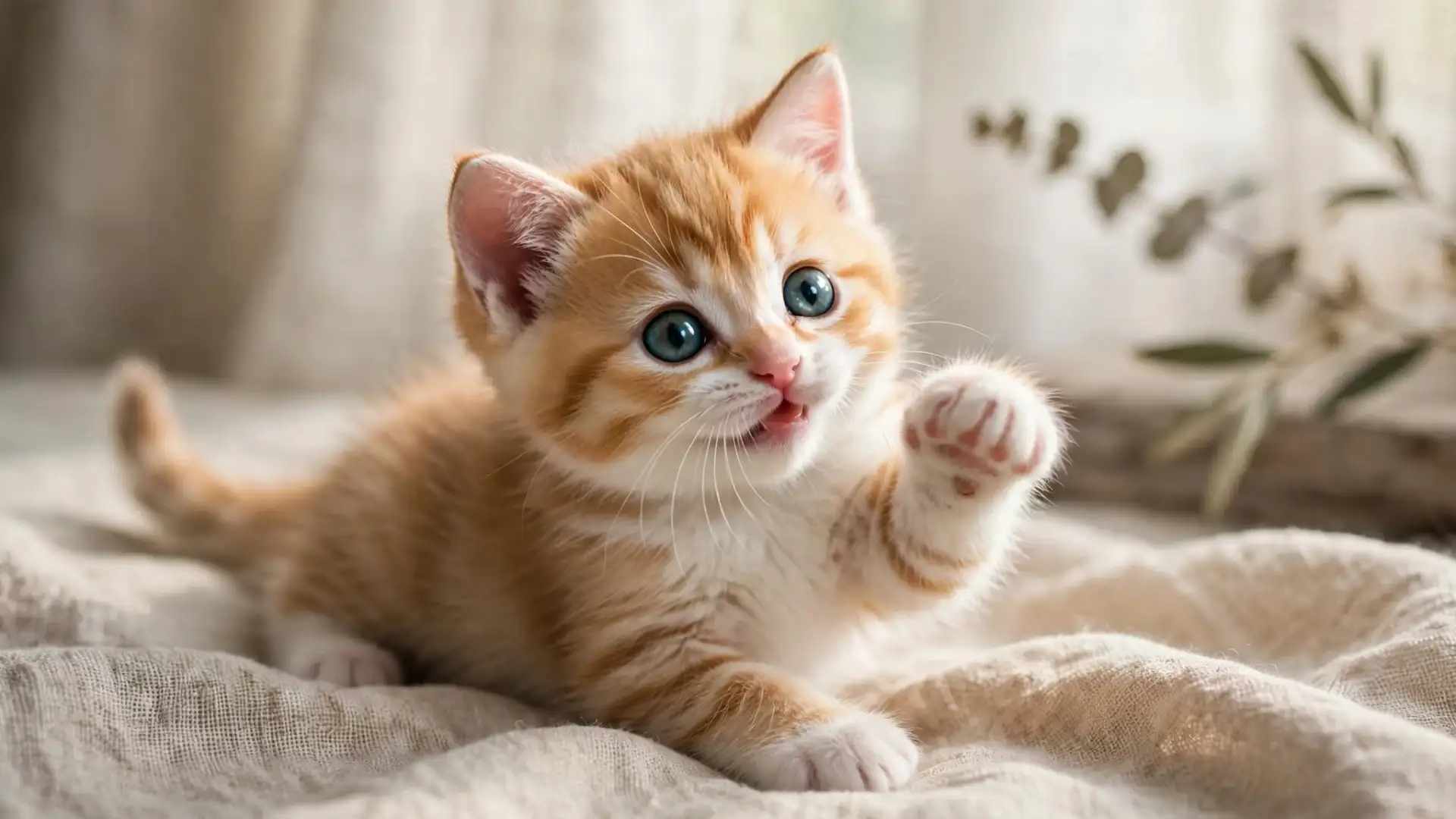
As cats grow older, the original purpose is no longer necessary, but the behaviour may remain. According to feline behaviour specialists, an adult cat may knead when it feels particularly comfortable or secure.
That is why you may notice your cat kneading a soft blanket, cushion or your lap before settling down for a nap.
However, cat behaviour varies considerably. Kneading should not automatically be interpreted as a deliberate display of affection every time it happens. The surrounding body language matters too.
A relaxed posture, gentle purring and slow movements can provide useful clues that your cat is enjoying the moment.
Some cats also knead before lying down, which may reflect an instinctive behaviour linked to preparing a comfortable resting place.
If the claws make kneading uncomfortable, place a thick blanket between your skin and your cat rather than pushing the animal away. Sudden changes in kneading behaviour, particularly when accompanied by signs of distress or pain, may warrant veterinary advice.
Ultimately, kneading is usually a normal part of feline behaviour. Your cat may be expressing comfort, following an instinct from kittenhood, marking a familiar spot or simply preparing to relax.
Image Courtesy: Meta AI
A Habit That Starts In Kittenhood
Kneading has a clear connection with early life. Nursing kittens instinctively press their paws against their mother while feeding. This movement helps stimulate milk flow and becomes associated with warmth, nourishment and safety.As cats grow older, the original purpose is no longer necessary, but the behaviour may remain. According to feline behaviour specialists, an adult cat may knead when it feels particularly comfortable or secure.
That is why you may notice your cat kneading a soft blanket, cushion or your lap before settling down for a nap.
Could Kneading Be A Sign Of Affection?
Many cats knead people they trust. If your cat climbs onto you, purrs and begins gently pressing its paws against you, the combination generally indicates that it is relaxed and comfortable in your presence.However, cat behaviour varies considerably. Kneading should not automatically be interpreted as a deliberate display of affection every time it happens. The surrounding body language matters too.
A relaxed posture, gentle purring and slow movements can provide useful clues that your cat is enjoying the moment.
There May Be Another Reason
Cats also have scent glands in their paws. When they knead surfaces, they may leave behind scent from these glands. Animal behaviour experts suggest this could be one reason the habit has a territorial or marking element.Some cats also knead before lying down, which may reflect an instinctive behaviour linked to preparing a comfortable resting place.
If the claws make kneading uncomfortable, place a thick blanket between your skin and your cat rather than pushing the animal away. Sudden changes in kneading behaviour, particularly when accompanied by signs of distress or pain, may warrant veterinary advice.
Ultimately, kneading is usually a normal part of feline behaviour. Your cat may be expressing comfort, following an instinct from kittenhood, marking a familiar spot or simply preparing to relax.
Image Courtesy: Meta AI
Next Story