
Why Does Your Dog Smell Different With Age? Common Reasons Behind Changes In Body Odour

A familiar pet's smell is something many dog owners recognise instantly. However, as dogs grow older, their natural body odour may change, sometimes becoming stronger or noticeably different. These changes can be confusing, particularly when a dog has maintained the same grooming routine for years.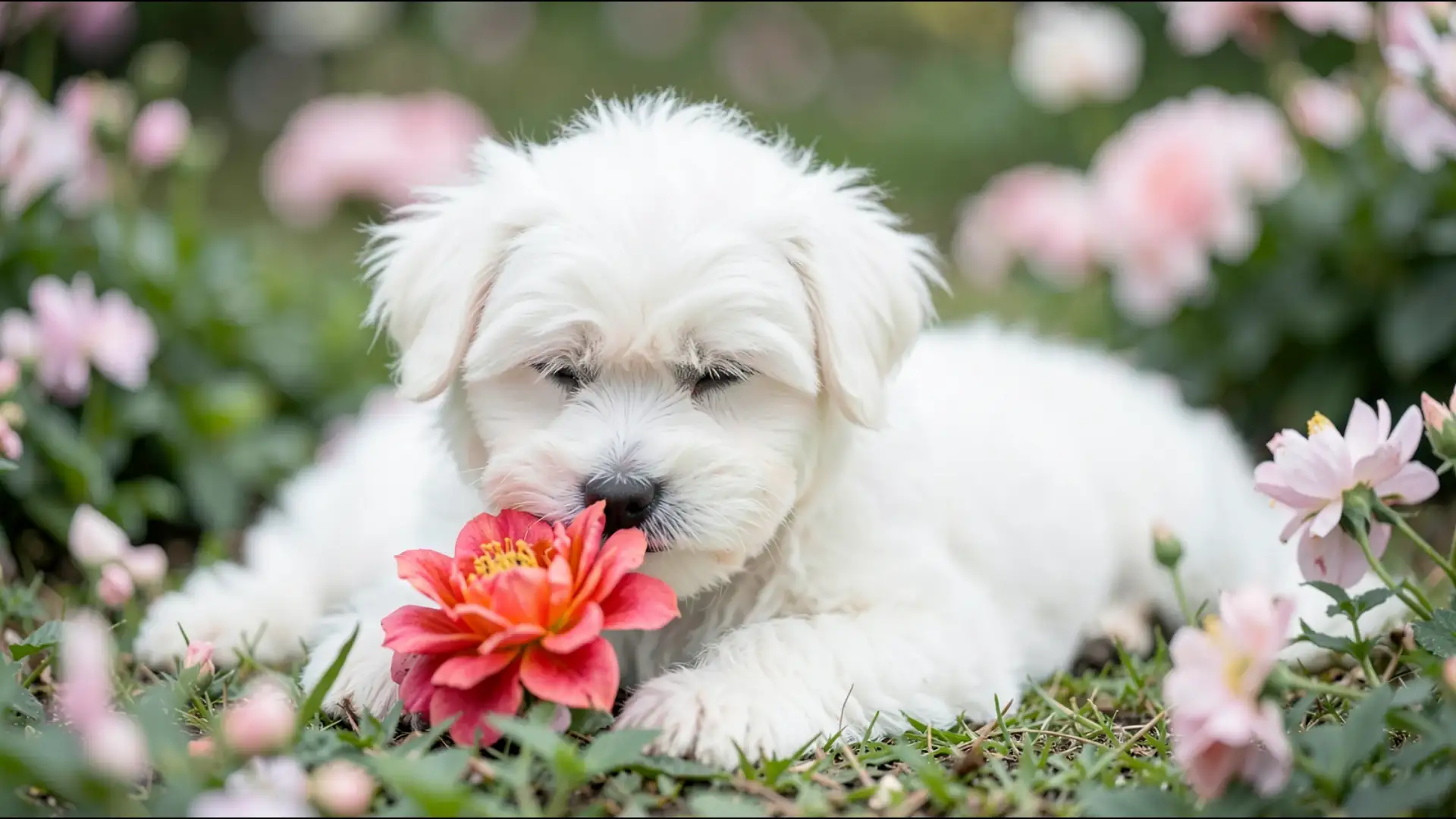
Ageing alone does not automatically make a dog smell unpleasant. In many cases, the difference is linked to changes in skin health, dental hygiene, mobility or other conditions that become more common in senior pets. Identifying the source is important before deciding how to manage it.
Some dogs also become less active as they age. Reduced mobility may make it harder for them to groom themselves properly, particularly around areas that are difficult to reach.
Skin folds, damp fur and accumulated dirt can create conditions in which odour becomes more noticeable. Regular brushing and appropriate bathing can help, although persistent smells need further investigation.
Owners may notice persistent bad breath, difficulty chewing, drooling or a reluctance to eat hard food. These signs should not simply be dismissed as normal ageing.
Routine dental checks, suitable home dental care and professional cleaning when recommended by a veterinarian can help maintain oral health.
Similarly, bacterial or yeast-related skin problems may produce a noticeable odour. Dogs that repeatedly lick their paws or scratch particular areas may be experiencing irritation.
The smell alone cannot establish the cause. A veterinarian may need to examine the affected area and recommend appropriate treatment.
A sudden foul smell from a wound, ear or affected skin area also deserves attention. Avoid covering the smell with perfumes or strongly scented grooming products.
Maintain regular veterinary appointments, as health checks can identify problems before they become more serious.
Most importantly, do not assume that an unpleasant smell is an unavoidable part of getting older. Finding its cause can improve your dog's comfort and overall quality of life.
Ageing alone does not automatically make a dog smell unpleasant. In many cases, the difference is linked to changes in skin health, dental hygiene, mobility or other conditions that become more common in senior pets. Identifying the source is important before deciding how to manage it.
Why Can A Dog's Smell Change With Age?
One possible reason is a change in skin and coat condition. Older dogs may develop dry skin, increased oiliness or other dermatological problems. These can affect the condition of the coat and contribute to an unusual smell.Some dogs also become less active as they age. Reduced mobility may make it harder for them to groom themselves properly, particularly around areas that are difficult to reach.
Skin folds, damp fur and accumulated dirt can create conditions in which odour becomes more noticeable. Regular brushing and appropriate bathing can help, although persistent smells need further investigation.
Dental Problems Can Cause Bad Breath
A dog's breath may become more unpleasant as dental problems develop. Plaque and tartar accumulation can contribute to gum inflammation, periodontal disease and infection.Owners may notice persistent bad breath, difficulty chewing, drooling or a reluctance to eat hard food. These signs should not simply be dismissed as normal ageing.
Routine dental checks, suitable home dental care and professional cleaning when recommended by a veterinarian can help maintain oral health.
Ear And Skin Infections May Be Responsible
An unusual smell coming from the ears can indicate an infection or inflammation. Other signs include frequent head shaking, scratching, redness and discharge.You may also like
- Shifting House With a Cat: How to Move Without Breaking Their World
- Top Bridal Hairstyle Inspirations for 2026 Weddings
- Hiring an Elephant for a Baraat: What Indian Wildlife Law Actually Allows
- Coming of age in a polycrisis: Why young adults are faring worse than their parents in India
- Hot Water Without Waste: Geyser Timing, Tank Size and the Habit That Doubles Your Bill
Similarly, bacterial or yeast-related skin problems may produce a noticeable odour. Dogs that repeatedly lick their paws or scratch particular areas may be experiencing irritation.
The smell alone cannot establish the cause. A veterinarian may need to examine the affected area and recommend appropriate treatment.
When Could A Change In Smell Signal A Health Problem?
Some unusual odours require prompt attention. A strong, persistent smell accompanied by excessive thirst, changes in urination, vomiting, reduced appetite or lethargy should be assessed by a veterinarian.A sudden foul smell from a wound, ear or affected skin area also deserves attention. Avoid covering the smell with perfumes or strongly scented grooming products.
How To Keep Your Older Dog Comfortable
Brush your senior dog's coat regularly and use pet-safe shampoos only when bathing is appropriate. Check the ears, paws, skin folds and mouth during routine grooming.Maintain regular veterinary appointments, as health checks can identify problems before they become more serious.
Most importantly, do not assume that an unpleasant smell is an unavoidable part of getting older. Finding its cause can improve your dog's comfort and overall quality of life.






Loving Newspoint? Download the app now
