
Why Does Your Home Smell Different When You Return After Travelling?

There is a peculiar moment that many travellers recognise. You unlock your front door after being away for several days and suddenly your home has a smell you do not remember. It might seem musty, stale, dusty or simply unfamiliar. Yet before leaving, you probably barely noticed any of it. The change is not necessarily because your home has developed a completely new smell. A large part of the experience comes from your nose and brain adapting to the familiar smells around you. Once you have been away, that sensory adaptation temporarily disappears.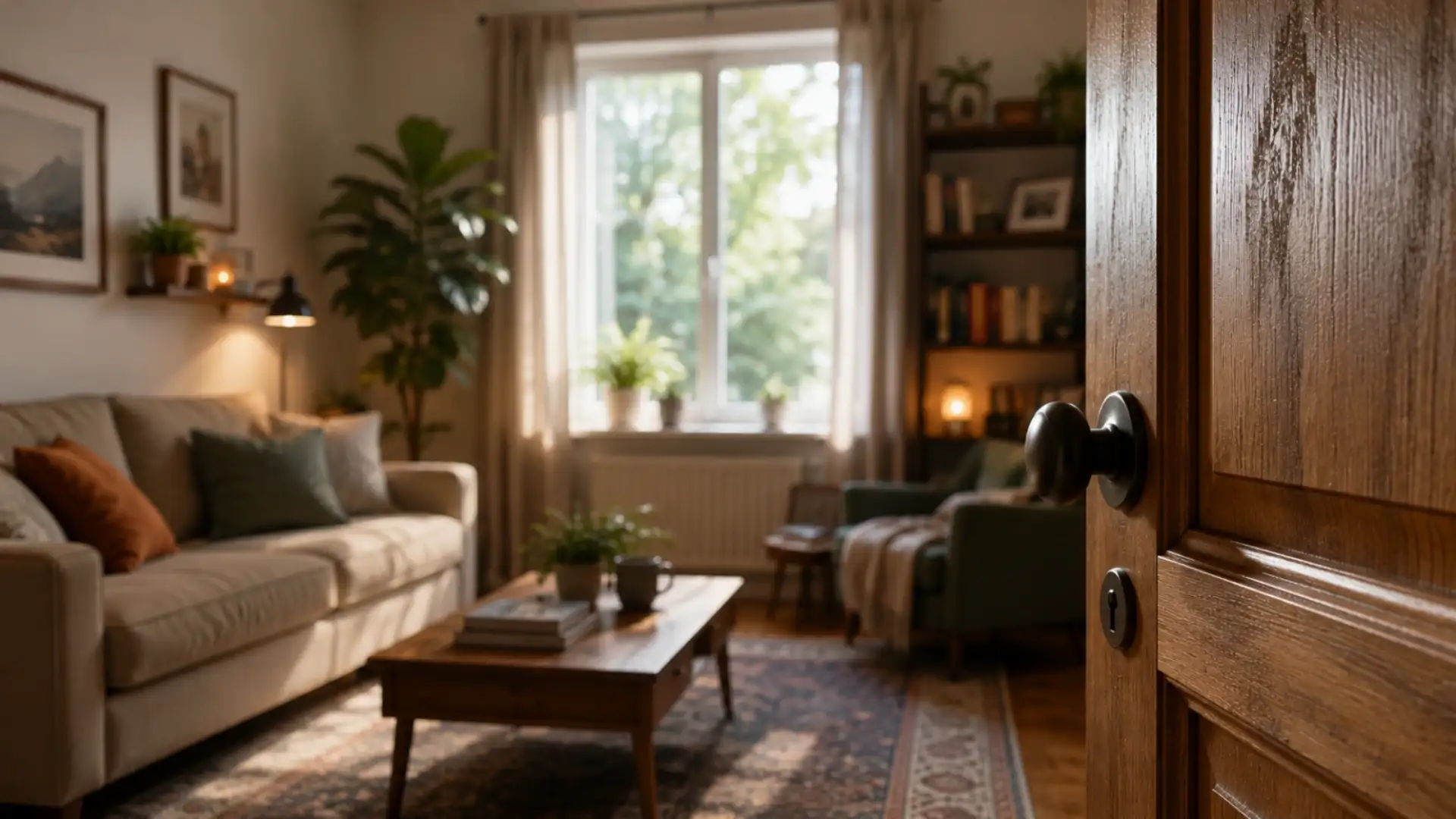
This is known as olfactory adaptation . It is why you may stop noticing the smell of your own perfume after wearing it for several hours, even though other people can still detect it.
Your home contains a mixture of countless subtle odours from furniture, fabrics, cleaning products, cooking, dust, plants and personal belongings. Because you encounter this combination every day, your brain largely filters it into the background.
The house may also genuinely smell slightly different. Air becomes stagnant when windows remain closed, food scraps can develop stronger odours, drains may become noticeable and fabrics can hold smells for long periods.
Humidity and temperature can also affect how volatile chemicals move through indoor air, subtly changing what your nose detects.
This is one reason the smell of a childhood home can remain surprisingly memorable years later.
In other words, your home probably did not suddenly become strange while you were away. Your nose simply stopped taking it for granted.
Your Brain Gets Used to Familiar Smells
The human sense of smell is remarkably adaptable. When you are continuously exposed to the same odours, your sensory system becomes less responsive to them.This is known as olfactory adaptation . It is why you may stop noticing the smell of your own perfume after wearing it for several hours, even though other people can still detect it.
Your home contains a mixture of countless subtle odours from furniture, fabrics, cleaning products, cooking, dust, plants and personal belongings. Because you encounter this combination every day, your brain largely filters it into the background.
What Changes While You Are Away?
When you leave home, your exposure to those familiar odours stops. After several days elsewhere, your sense of smell becomes more sensitive to the mixture waiting for you when you return.You may also like
- Health Tips: These are the main symptoms of swine flu, do not ignore them
- Health Tips: To get rid of fatty liver problems, include these three things in your diet today
- Union Minister Kiren Rijiju responds to Arunachal girl's cute request, “Humko Indian bolo”: “You have become famous; the whole of India loves you”
- High heels were originally made for men, here's surprising story
- 5 Cucumber Skincare Secrets for Fresh, Glowing Skin
The house may also genuinely smell slightly different. Air becomes stagnant when windows remain closed, food scraps can develop stronger odours, drains may become noticeable and fabrics can hold smells for long periods.
Humidity and temperature can also affect how volatile chemicals move through indoor air, subtly changing what your nose detects.
Why Returning Home Can Feel So Strong
There is also a psychological element. Smell is closely linked to memory and emotion. Certain combinations of household odours can immediately make a place feel familiar, even if you cannot identify the individual smells.This is one reason the smell of a childhood home can remain surprisingly memorable years later.
Why It Matters
A different smell after travelling is usually perfectly normal. However, a persistent new odour such as dampness, sewage or burning should not simply be dismissed as sensory adaptation because it may indicate a practical household problem.In other words, your home probably did not suddenly become strange while you were away. Your nose simply stopped taking it for granted.






Loving Newspoint? Download the app now
