
Shower Missteps and Humidity: Why Does Your Skin Feel Sticky Even After a Shower

Stepping into a refreshing shower is supposed to be the ultimate reset button for your body. You wash away the sweat of a long day, lather up with your favourite scented soap, and rinse under warm running water expecting to step out feeling completely clean and revived. Yet, moments after drying off with a clean towel, a frustrating sensation settles over your arms, chest, and face. Instead of feeling smooth and fresh, your skin feels uncomfortably tacky, clammy, and coated in a lingering film. This annoying experience makes you feel as though you need to step right back into the bathroom for a second scrub. Exploring why your skin feels sticky even after a shower reveals how high room humidity, soap residue, water hardness, incorrect water temperatures, and heavy body lotions alter skin texture after bathing.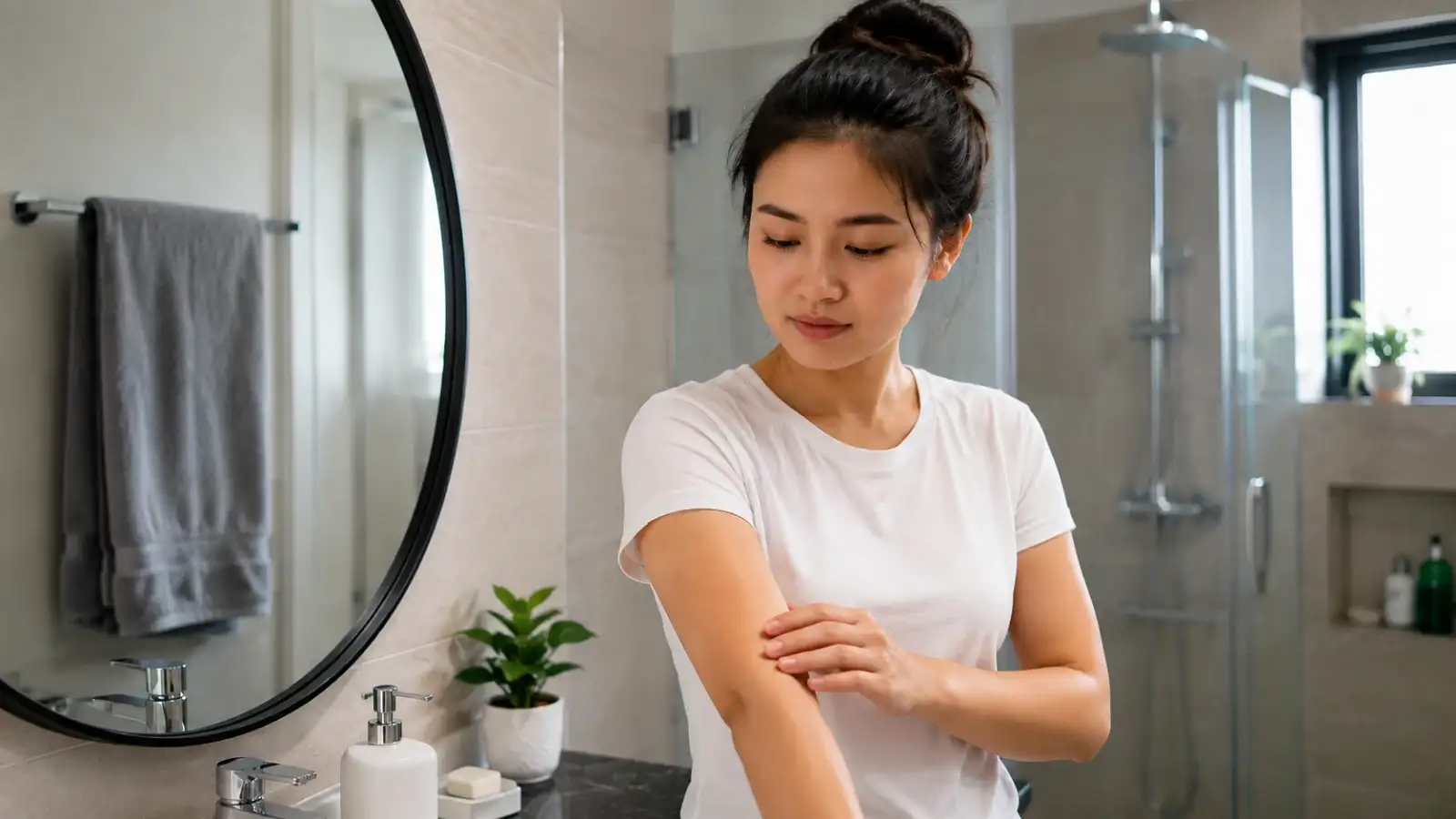
When you dry your body with a towel, your warm skin continues to release heat and tiny droplets of micro-perspiration to cool your internal body temperature down. However, because the surrounding bathroom air is saturated with water vapour, your fresh sweat cannot evaporate into the atmosphere. Trapped sweat sits on your warm skin surface, mixing with natural skin oils to create a tacky, clammy texture within minutes of stepping out of the shower cubicle.
When hard water minerals combine with traditional bar soaps or heavy body washes, a chemical reaction occurs that forms an insoluble compound known as soap scum. Unlike pure water, this mineral residue does not wash away easily under running water. Instead, it sticks to your skin surface like an invisible coating. This lingering soap scum layer strips away natural lipids while leaving a heavy film behind, causing your skin to feel coated, sticky, and tight all at once.
Your sebaceous glands immediately kick into high gear, flooding your skin surface with fresh sebum to rebuild the damaged moisture barrier. When this sudden surge of fresh natural oil mixes with residual steam and micro-sweat on your warm body, it creates a slick, sticky texture instead of a soft, healthy glow.
If you apply heavy occlusive creams while your skin is still warm and sweating from a hot shower, you trap sweat and heat beneath a thick lipid barrier. This trapped moisture cannot escape, resulting in a heavy, greasy, and sticky sensation that lingers for hours.
High bathroom humidity and slow sweat evaporation
The primary culprit behind post-shower stickiness is often the air environment inside your bathroom rather than a failure of your soap. When you take a warm or hot shower, steam fills the enclosed room, causing relative air humidity to skyrocket toward one hundred percent.When you dry your body with a towel, your warm skin continues to release heat and tiny droplets of micro-perspiration to cool your internal body temperature down. However, because the surrounding bathroom air is saturated with water vapour, your fresh sweat cannot evaporate into the atmosphere. Trapped sweat sits on your warm skin surface, mixing with natural skin oils to create a tacky, clammy texture within minutes of stepping out of the shower cubicle.
Hard water minerals and insoluble soap scum residue
The chemistry of your tap water plays an equally critical role in how your skin feels post-wash. Many households receive hard water, which contains high concentrations of dissolved minerals like calcium and magnesium.When hard water minerals combine with traditional bar soaps or heavy body washes, a chemical reaction occurs that forms an insoluble compound known as soap scum. Unlike pure water, this mineral residue does not wash away easily under running water. Instead, it sticks to your skin surface like an invisible coating. This lingering soap scum layer strips away natural lipids while leaving a heavy film behind, causing your skin to feel coated, sticky, and tight all at once.
You may also like
- He scored 54% in Class 10 and just 41 marks in maths; three years later, Jainendrajeet cracked JEE Advanced with AIR 349 and reached IIT Bombay
- Triptii Dimri Unveils Victoria's Secret Very Sexy Collection in India
- SIP Calculator: Need a fund of ₹5 lakh or ₹10 lakh in 3 years? Find out the monthly SIP amount required..
- There is a salary hike factor regarding the 8th Pay Commission that you almost certainly don't know about..
- 'It had been our dream since childhood': Six sets of twins at one Kerala wedding, as twin brothers marry twin sisters, with twin priests and twin altar boys
Hot water overuse and rapid oil production rebounds
Taking scalding hot showers might feel soothing on tired muscles, but high water temperatures strip away your skin protective lipid barrier. When hot water strips away essential moisture and natural surface oils, your skin panics and initiates a protective rebound response.Your sebaceous glands immediately kick into high gear, flooding your skin surface with fresh sebum to rebuild the damaged moisture barrier. When this sudden surge of fresh natural oil mixes with residual steam and micro-sweat on your warm body, it creates a slick, sticky texture instead of a soft, healthy glow.
Heavy body lotion application on damp skin
Applying moisturiser immediately after drying off is standard skincare advice, but using the wrong product formula can backfire. Rich body creams containing heavy occlusive ingredients like petrolatum, mineral oil, or synthetic silicones create an airtight seal over your pores.If you apply heavy occlusive creams while your skin is still warm and sweating from a hot shower, you trap sweat and heat beneath a thick lipid barrier. This trapped moisture cannot escape, resulting in a heavy, greasy, and sticky sensation that lingers for hours.
Restoring a clean and smooth post-shower feel
Understanding why your skin feels sticky even after a shower helps you adjust your daily bathing routine. By lowering water temperatures, installing a shower head water softener, ventilating your bathroom properly, and choosing lightweight water-based moisturisers, you can enjoy true post-wash freshness every day





Loving Newspoint? Download the app now
