
Why Does Your Voice Sound Different When You Hear a Recording?

Almost everyone has experienced the same strange moment: you hear a recording of yourself and immediately think, "Do I really sound like that?" Your voice may suddenly seem higher, thinner or simply unfamiliar. The recording is not necessarily making your voice sound wrong. The surprise comes from the fact that you normally hear yourself differently from everyone else. When you speak, sound reaches your ears through the air, but vibrations also travel through the bones and tissues of your head. A recording removes that second pathway, giving you a version of your voice that is much closer to what other people normally hear.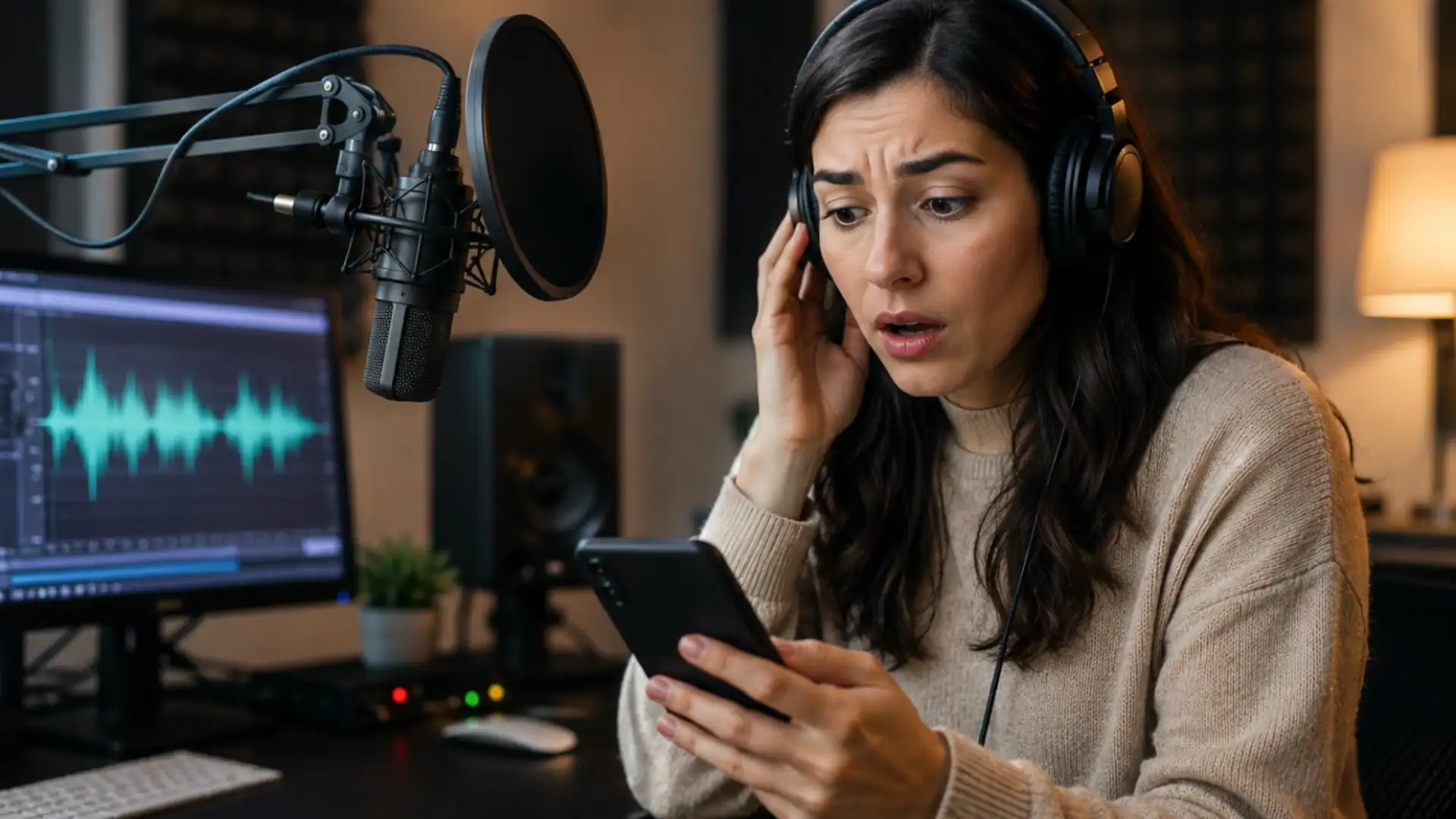
Vibrations generated by your vocal cords and surrounding structures travel through the tissues of your head towards the inner ear. These vibrations particularly enhance lower-frequency components, which can make the voice you hear internally seem deeper and richer.
That is why a recording can make your voice sound higher or lighter than the voice you are accustomed to hearing. The recording is not revealing a completely different person. It is removing one of the pathways your brain normally uses when you hear yourself speak.
Research has even found that people can have difficulty immediately recognising recordings of their own voices, showing just how different our internal expectation can be from the sound captured externally.
However, microphones, rooms, speakers and phone processing can also change the result. A cheap microphone may emphasise certain frequencies, while a room with lots of echo can make a voice sound noticeably different.
The good news is that the strange feeling usually becomes less intense with repeated exposure. The more often you hear your voice externally, the less unfamiliar it tends to seem.
Your recorded voice is not necessarily worse, and your everyday voice is not an illusion either. You are simply hearing two versions created by different pathways. The next time a voice note makes you pause in disbelief, remember that your ears are hearing something your brain normally never gets to experience in quite the same way.
You Hear Yourself Through Two Routes
When another person speaks, most of the sound reaches your inner ear through the air. When you speak, however, your voice reaches your ears through both air conduction and bone conduction .Vibrations generated by your vocal cords and surrounding structures travel through the tissues of your head towards the inner ear. These vibrations particularly enhance lower-frequency components, which can make the voice you hear internally seem deeper and richer.
Recordings Remove Bone Conduction
A microphone captures the sound travelling through the air. It does not reproduce the internal vibrations travelling through your skull.That is why a recording can make your voice sound higher or lighter than the voice you are accustomed to hearing. The recording is not revealing a completely different person. It is removing one of the pathways your brain normally uses when you hear yourself speak.
You may also like
- Quote of the Day by Confucius: "By three methods we may learn wisdom, first, by reflection, which is noblest; second, by imitation, which is...."
- 'You didn't come first': Suriya's powerful message to parents about ranks, pressure, and letting children be children
- Meet Mary Anning, the girl who found “sea monsters” buried in England's cliffs and changed what scientists knew about Earth
- Beyond the plate: Why your child might still be low in iron and how to fix it
- Principles of Acharya Chanakya : It will be easy to identify a liar, just remember these 5 principles of Acharya Chanakya
Why It Feels So Uncomfortable
There is also a psychological element. You spend your entire life hearing your own voice in the usual way, but rarely hear it from an external perspective. When a recording presents it differently, the brain can initially treat the sound as unfamiliar.Research has even found that people can have difficulty immediately recognising recordings of their own voices, showing just how different our internal expectation can be from the sound captured externally.
Is the Recording Actually How Others Hear You?
Broadly speaking, yes. Other people do not experience the bone-conducted version that you hear while speaking. They primarily hear the air-conducted sound.However, microphones, rooms, speakers and phone processing can also change the result. A cheap microphone may emphasise certain frequencies, while a room with lots of echo can make a voice sound noticeably different.
Why This Matters Today
The difference has become more noticeable because people now communicate through video calls, voice messages, podcasts and social media. Hearing your recorded voice is no longer limited to professional singers or broadcasters.The good news is that the strange feeling usually becomes less intense with repeated exposure. The more often you hear your voice externally, the less unfamiliar it tends to seem.
Your recorded voice is not necessarily worse, and your everyday voice is not an illusion either. You are simply hearing two versions created by different pathways. The next time a voice note makes you pause in disbelief, remember that your ears are hearing something your brain normally never gets to experience in quite the same way.






Loving Newspoint? Download the app now
