
Why Do Dogs Tilt Their Heads When You Talk to Them?

If you have ever spoken to your dog and watched it suddenly tilt its head to one side, you are certainly not alone. It is one of those small dog behaviours that can instantly make us smile. The head goes to one side, the ears perk up and the dog looks at you as though it is trying to understand every word.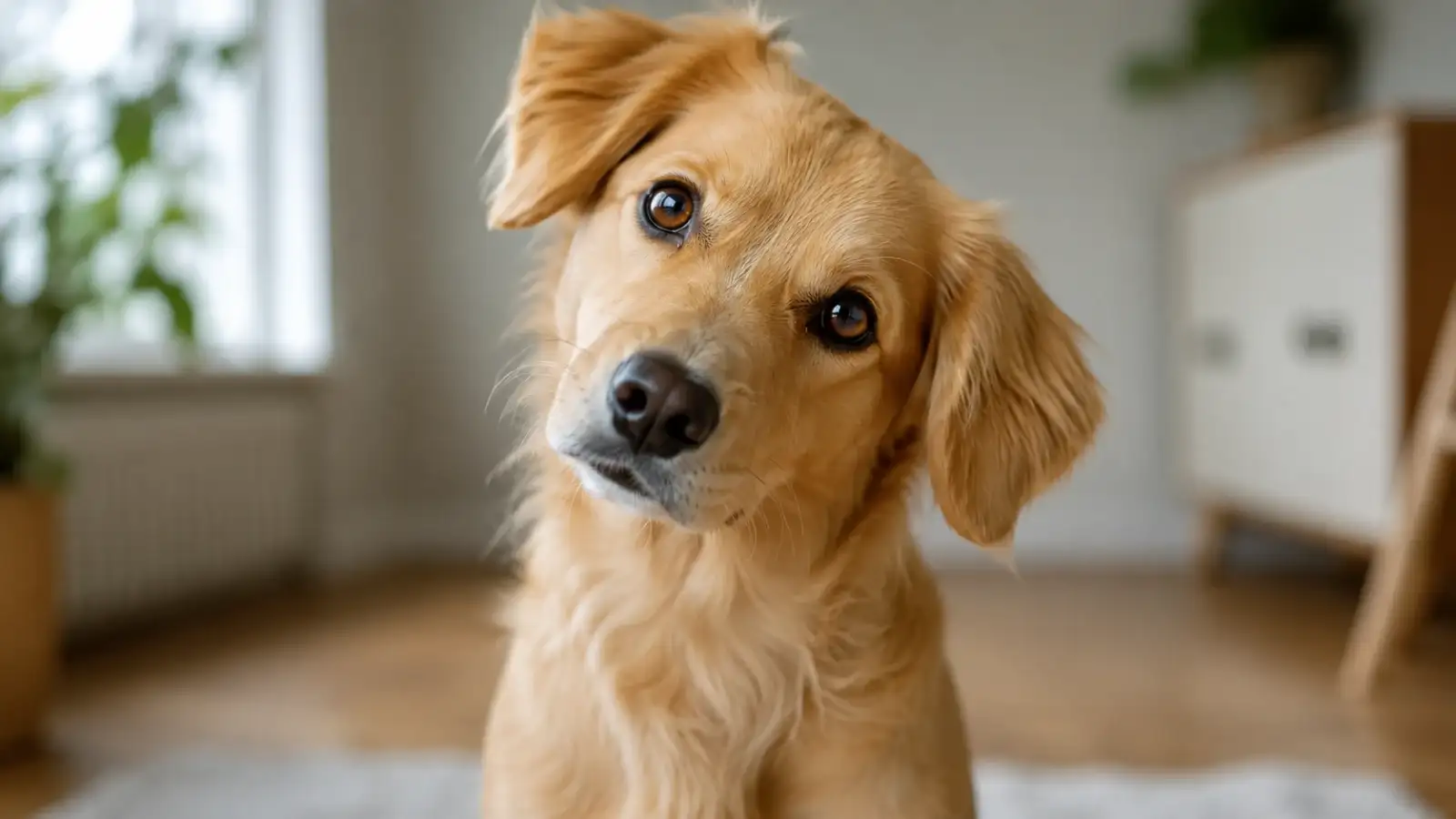
For years, people have wondered what this adorable gesture actually means. Is your dog confused? Is it listening more carefully? Or is it simply trying to look cute?
The answer is more interesting than you might expect. Dogs may tilt their heads for several different reasons, and the meaning can depend on the situation, the individual dog and what is happening around it.
When you say something familiar such as "walk", "treat" or their name, your dog may become more alert. Tilting the head could be part of the process of trying to work out what a particular sound means.
It is a little like your dog saying, "What was that?" without actually making a sound.
When a dog moves its head, it may be changing the position of its ears in relation to the sound. This could help it work out where a particular noise is coming from.
Dogs are particularly good at noticing sounds that humans may barely register. A tiny noise from another room, a distant vehicle or an unusual sound outside can quickly grab their attention.
Some researchers have suggested that a dog may tilt its head because it is trying to get a better view of our face or understand our expression. A dog's muzzle can partly block its view of the lower part of a person's face, so changing the angle of its head could potentially help.
This may be especially relevant when you are speaking directly to your dog and making eye contact.
If your dog tilts its head and you immediately smile, laugh, praise it or give it attention, the dog may learn that the behaviour produces a positive response. Over time, it may happen more often.
This does not necessarily mean your dog is deliberately performing for you every time. However, dogs are excellent at learning through repeated experiences.
Breed, individual personality, age and previous experiences may all play a role. A curious dog that is highly responsive to sounds may be more likely to tilt its head than a dog that is less reactive.
The frequency of the behaviour alone does not tell you exactly what your dog is thinking.
If your dog suddenly starts holding its head to one side, particularly if the behaviour is accompanied by loss of balance, difficulty walking, unusual eye movements, vomiting, confusion or signs of pain, it is important to contact a vet.
Ear problems can sometimes cause discomfort or affect balance, while certain neurological conditions can also lead to persistent head tilting. The key difference is whether the head tilt is a brief response to a sound or a persistent physical change.
If you are unsure, it is safer to have your dog checked by a veterinary professional.
They may also have learnt that this particular expression gets them plenty of affection.
The next time your dog looks at you with its head tilted to one side, pay attention to what happened just before it. Was there an unusual sound? Did you say a familiar word? Were you speaking directly to them?
That little movement may be your dog's way of gathering information about the world around it. And even if we cannot know exactly what is going through its mind, it is certainly one of the most charming examples of dog behaviour .
For years, people have wondered what this adorable gesture actually means. Is your dog confused? Is it listening more carefully? Or is it simply trying to look cute?
The answer is more interesting than you might expect. Dogs may tilt their heads for several different reasons, and the meaning can depend on the situation, the individual dog and what is happening around it.
Dogs May Be Trying to Understand You
One of the most likely reasons for dog head tilting is that your pet is paying close attention to what you are saying. Dogs can learn to recognise certain words, sounds and changes in the way we speak.When you say something familiar such as "walk", "treat" or their name, your dog may become more alert. Tilting the head could be part of the process of trying to work out what a particular sound means.
It is a little like your dog saying, "What was that?" without actually making a sound.
Their Ears Play an Important Role
A dog's ears are remarkably useful for detecting sounds. Depending on the breed, the shape and position of the ears can also affect how sounds reach the ear canal.When a dog moves its head, it may be changing the position of its ears in relation to the sound. This could help it work out where a particular noise is coming from.
Dogs are particularly good at noticing sounds that humans may barely register. A tiny noise from another room, a distant vehicle or an unusual sound outside can quickly grab their attention.
Your Face May Be Part of the Reason
There is another interesting possibility. Dogs do not only listen to us. They also watch our faces and body language.Some researchers have suggested that a dog may tilt its head because it is trying to get a better view of our face or understand our expression. A dog's muzzle can partly block its view of the lower part of a person's face, so changing the angle of its head could potentially help.
This may be especially relevant when you are speaking directly to your dog and making eye contact.
Dogs Learn That Head Tilting Gets a Reaction
There is also a simple behavioural explanation for why dogs tilt their heads. Dogs pay close attention to what gets a reaction from their owners.If your dog tilts its head and you immediately smile, laugh, praise it or give it attention, the dog may learn that the behaviour produces a positive response. Over time, it may happen more often.
This does not necessarily mean your dog is deliberately performing for you every time. However, dogs are excellent at learning through repeated experiences.
Some Dogs Do It More Than Others
Not every dog tilts its head frequently. Some may do it whenever they hear an unusual sound, while others rarely show the behaviour.Breed, individual personality, age and previous experiences may all play a role. A curious dog that is highly responsive to sounds may be more likely to tilt its head than a dog that is less reactive.
The frequency of the behaviour alone does not tell you exactly what your dog is thinking.
When Head Tilting Could Mean a Health Problem
Although occasional head tilting is usually harmless, a dog tilting its head continuously or unexpectedly can be a different matter.You may also like
- Heal Your Gut Naturally: 3 Powerful Ayurvedic Drinks to Cure Constipation, Bloating, and Indigestion
- Why Men Hate the Word 'Diet': New Study Reveals Surprising Reasons Behind Weight Loss Struggles
- 'India doesn't scare me anymore': Russian traveller's first 3AC train ride turns into a life lesson, from culture shock to falling in love with India
- Why Guwahati airport has 1 lakh plants, the idea that turned it into a 'living forest'
- From sheep to sweater: This woman spent 4-months and Rs 70,000 in making a sweater from scratch - her experiment reveals the real cost of slow fashion
If your dog suddenly starts holding its head to one side, particularly if the behaviour is accompanied by loss of balance, difficulty walking, unusual eye movements, vomiting, confusion or signs of pain, it is important to contact a vet.
Ear problems can sometimes cause discomfort or affect balance, while certain neurological conditions can also lead to persistent head tilting. The key difference is whether the head tilt is a brief response to a sound or a persistent physical change.
If you are unsure, it is safer to have your dog checked by a veterinary professional.
That Cute Expression May Be More Than Just Cuteness
So, why do dogs tilt their heads when you talk to them? There is no single explanation that applies to every dog. They may be trying to process a familiar word, locate a sound, pay closer attention to you or understand your facial expressions.They may also have learnt that this particular expression gets them plenty of affection.
The next time your dog looks at you with its head tilted to one side, pay attention to what happened just before it. Was there an unusual sound? Did you say a familiar word? Were you speaking directly to them?
That little movement may be your dog's way of gathering information about the world around it. And even if we cannot know exactly what is going through its mind, it is certainly one of the most charming examples of dog behaviour .






Loving Newspoint? Download the app now
