
Why Dzukou Valley Is One of Northeast India's Most Beautiful Natural Wonders

Dzukou Valley, located along the border of Nagaland and Manipur, is known for its rolling green hills, seasonal wildflowers, clear streams and peaceful mountain scenery. Its open landscapes and trekking routes make it one of Northeast India's most appealing destinations for nature lovers and adventure enthusiasts. The valley offers a different experience from crowded tourist centres, with opportunities to hike, camp and enjoy the region's remarkable biodiversity.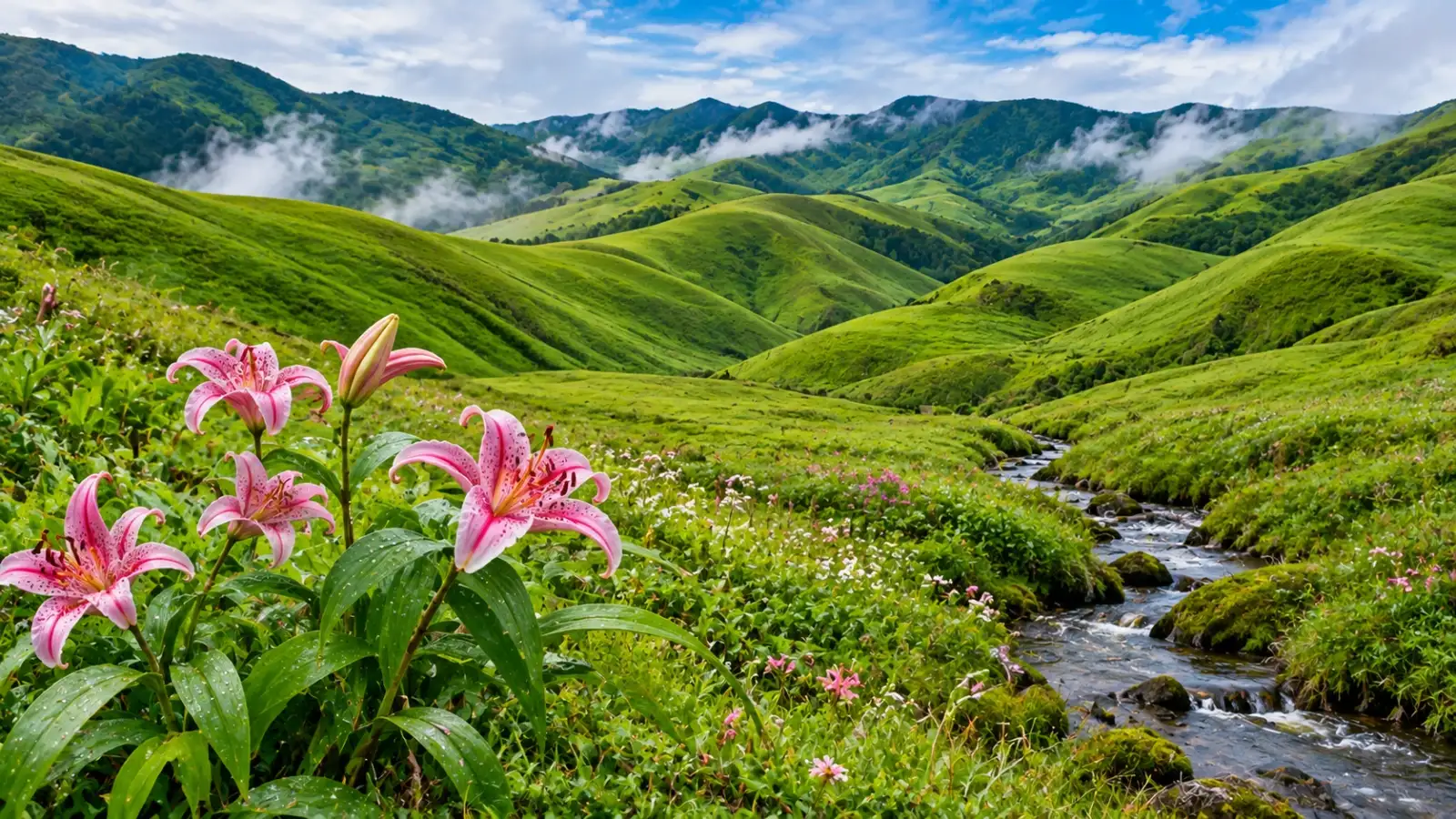
These green slopes stretch across the landscape, creating a series of rounded ridges and open meadows. During clear weather, the views extend towards distant mountain ranges, making the valley particularly attractive to photographers and trekking enthusiasts.
During the flowering season, different wildflowers add shades of pink, white, yellow and purple to the green landscape. The valley becomes especially colourful around the summer and monsoon months, although the exact flowering period depends on weather conditions.
The Dzukou lily is one of the valley's most distinctive natural attractions, making the destination particularly interesting for botanists and nature enthusiasts.
Two commonly used approaches from the Nagaland side begin near Viswema and Jakhama villages, close to Kohima. The routes offer different trekking experiences, with the Viswema approach often involving a longer forested section and the Jakhama route featuring a steep climb.
The trek requires reasonable fitness, suitable footwear and preparation for changing weather. A local guide is recommended, and visitors should follow the current access rules.
Travellers can enjoy the sound of flowing water while exploring the valley on foot. These streams also contribute to the region's natural ecosystem and make the landscape particularly attractive during the warmer months.
Visitors should avoid polluting the water or disturbing the surrounding vegetation.
Instead, visitors encounter open landscapes, mountain silence and natural surroundings. This makes it an appealing destination for people who want to disconnect from busy routines and spend time outdoors.
The peaceful environment is especially enjoyable during early mornings, when mist often moves across the hills.
Basic accommodation and camping facilities are available in the valley, subject to current arrangements. Temperatures can drop considerably at night, even outside winter, so warm clothing, suitable sleeping equipment and advance preparation are important.
Campers should follow local instructions and avoid lighting unauthorised fires.
The region is also interesting for birdwatchers who enjoy observing species in natural mountain habitats. However, wildlife sightings are not guaranteed, and visitors should explore without disturbing animals or their surroundings.
The valley's ecological importance makes responsible tourism particularly necessary.
Dzukou Valley stands out as one of Northeast India's most beautiful natural destinations because of its rolling green hills, seasonal wildflowers, flowing streams and peaceful mountain atmosphere. Whether you are interested in trekking, camping, photography or simply enjoying nature, the valley offers a memorable outdoor experience. Its fragile ecosystem also deserves care, making responsible travel essential to preserving this remarkable landscape for future visitors.
1. Rolling Green Hills Create a Beautiful Landscape
The first thing that makes Dzukou Valley special is its unusual landscape. Unlike destinations dominated by dense forests or steep mountain peaks, the valley features gently rolling hills covered with dwarf bamboo and natural vegetation.These green slopes stretch across the landscape, creating a series of rounded ridges and open meadows. During clear weather, the views extend towards distant mountain ranges, making the valley particularly attractive to photographers and trekking enthusiasts.
2. Home to the Famous Dzukou Lily
Dzukou Valley is famous for its seasonal flowers, particularly the rare Dzukou lily, which is associated with this region.During the flowering season, different wildflowers add shades of pink, white, yellow and purple to the green landscape. The valley becomes especially colourful around the summer and monsoon months, although the exact flowering period depends on weather conditions.
The Dzukou lily is one of the valley's most distinctive natural attractions, making the destination particularly interesting for botanists and nature enthusiasts.
3. A Beautiful Destination for Trekking
Trekking is one of the main reasons travellers visit Dzukou Valley. The journey involves walking through forested slopes, steep trails and open mountain terrain before reaching the valley.Two commonly used approaches from the Nagaland side begin near Viswema and Jakhama villages, close to Kohima. The routes offer different trekking experiences, with the Viswema approach often involving a longer forested section and the Jakhama route featuring a steep climb.
The trek requires reasonable fitness, suitable footwear and preparation for changing weather. A local guide is recommended, and visitors should follow the current access rules.
4. Streams Add to the Valley's Natural Charm
Small streams flowing through the valley create another striking feature of its landscape. The clear water winds between green slopes and rocky sections, adding movement and contrast to the surrounding scenery.Travellers can enjoy the sound of flowing water while exploring the valley on foot. These streams also contribute to the region's natural ecosystem and make the landscape particularly attractive during the warmer months.
Visitors should avoid polluting the water or disturbing the surrounding vegetation.
5. A Peaceful Escape From Crowded Tourist Destinations
Dzukou Valley offers a quieter experience compared with many popular tourist destinations. There are no large commercial centres or extensive urban developments within the valley.Instead, visitors encounter open landscapes, mountain silence and natural surroundings. This makes it an appealing destination for people who want to disconnect from busy routines and spend time outdoors.
The peaceful environment is especially enjoyable during early mornings, when mist often moves across the hills.
6. Camping Under the Open Mountain Sky
Spending a night in Dzukou Valley can make the journey even more memorable. Travellers can experience the changing colours of the landscape during sunset and enjoy the quiet atmosphere after dark.Basic accommodation and camping facilities are available in the valley, subject to current arrangements. Temperatures can drop considerably at night, even outside winter, so warm clothing, suitable sleeping equipment and advance preparation are important.
Campers should follow local instructions and avoid lighting unauthorised fires.
7. Rich Natural Diversity and Birdlife
Beyond its famous flowers, Dzukou Valley is valued for its natural vegetation and wildlife. Its dwarf bamboo-covered slopes, streams and surrounding forests support different forms of plant and animal life.The region is also interesting for birdwatchers who enjoy observing species in natural mountain habitats. However, wildlife sightings are not guaranteed, and visitors should explore without disturbing animals or their surroundings.
The valley's ecological importance makes responsible tourism particularly necessary.
8. The Best Time to Experience Dzukou Valley
The best time to visit depends on the kind of scenery and trekking experience travellers prefer.- May to August: This period offers greener landscapes and seasonal flowers, including the famous Dzukou lily. However, monsoon rain can make trails slippery.
- October to November: The weather is generally more suitable for outdoor exploration, with cooler conditions and opportunities for clearer mountain views.
- December to February: Winter brings cold temperatures and the possibility of frost or snow, creating a different landscape. Travellers need proper winter equipment and should check access conditions.
Dzukou Valley stands out as one of Northeast India's most beautiful natural destinations because of its rolling green hills, seasonal wildflowers, flowing streams and peaceful mountain atmosphere. Whether you are interested in trekking, camping, photography or simply enjoying nature, the valley offers a memorable outdoor experience. Its fragile ecosystem also deserves care, making responsible travel essential to preserving this remarkable landscape for future visitors.
Next Story