
Why Earthworms Are Essential for Healthy Soil and Thriving Gardens

Earthworms may be small and easy to overlook, but their work beneath the ground plays an important role in maintaining healthy soil. As they move through the earth, they help create spaces for air and water while breaking down organic matter and recycling nutrients. These natural activities can support plant growth, improve soil structure and benefit other organisms living underground. Whether you grow vegetables in a home garden or care for potted plants, understanding the role of earthworms can help you make better decisions about soil care. Their presence often indicates a functioning soil ecosystem, although it is not the only measure of soil health.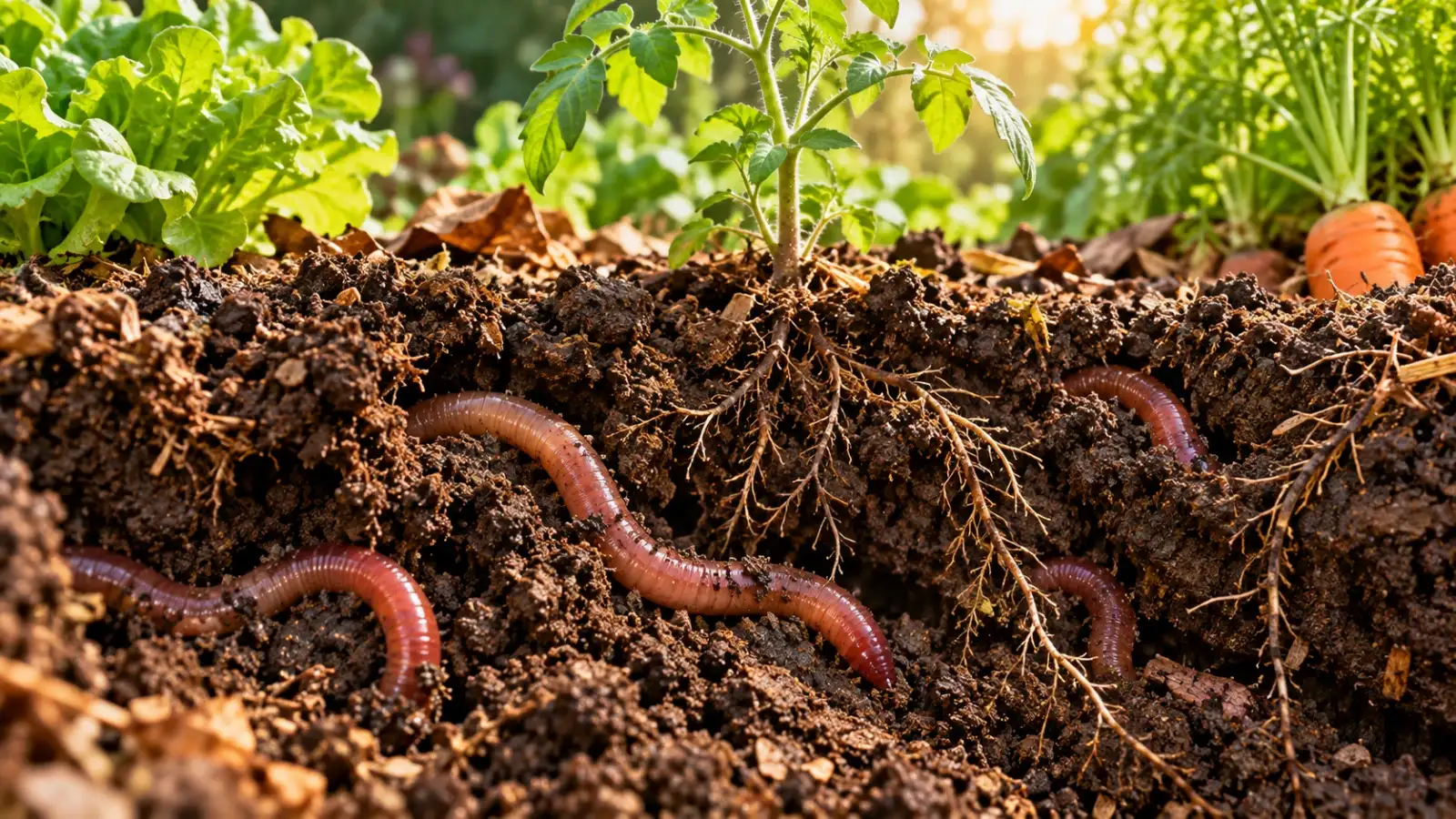
Better soil structure allows plant roots to explore the ground more easily. It can also help water penetrate the soil rather than collecting on the surface, although the benefits depend on soil type, worm species and local conditions.
Earthworms are particularly useful in many garden soils where their activity helps maintain a more open, well-connected structure.
As the material passes through their digestive systems, it is broken down further. Their castings, which are the waste they leave behind, contain nutrients and organic compounds that can contribute to soil fertility.
These castings may contain plant nutrients such as nitrogen, phosphorus and potassium. However, the exact nutrient content varies with the earthworms' food and the surrounding soil conditions.
Their tunnels may help roots reach deeper into the ground, while the movement of organic matter can improve nutrient distribution. Castings can also help create small areas of nutrient-rich soil around roots.
Earthworms do not replace compost, suitable watering or other basic gardening practices. Instead, they form part of a larger system that helps soil function effectively.
Earthworms interact with this underground community by consuming organic material, altering soil structure and changing where nutrients are distributed. Their activity can influence microbial communities and create different conditions within the soil.
This relationship is one reason healthy soil is often described as a living ecosystem rather than simply a growing medium for plants.
Earthworm burrows can provide channels through which water enters and moves through the ground. This may reduce surface runoff and improve infiltration in some soils.
However, earthworms cannot solve every drainage problem. Compacted clay, blocked drainage routes or poorly designed garden beds may still require other measures. Their contribution depends on the condition of the soil and the types of earthworms present.
Likewise, the presence of earthworms does not guarantee that soil has the right nutrient balance or is free from contamination. Soil health depends on several factors, including structure, organic matter, nutrient availability, water conditions and biological activity.
It is better to view earthworms as one part of a wider picture rather than the only indicator of healthy soil.
Earthworms perform several valuable jobs beneath the surface. They help create soil channels, process organic matter, recycle nutrients and influence the organisms that live underground. These activities can improve the conditions in which garden plants grow. Supporting them through composting, careful watering and reduced soil disturbance is a practical way to encourage a more active soil ecosystem. Although earthworms cannot fix every soil problem, they are important contributors to the natural processes that keep many soils productive.
1. Earthworms Help Improve Soil Structure
Earthworms move through the soil by creating tunnels as they feed and travel. These channels can make the ground less compacted and provide pathways for air and water to move through it.Better soil structure allows plant roots to explore the ground more easily. It can also help water penetrate the soil rather than collecting on the surface, although the benefits depend on soil type, worm species and local conditions.
Earthworms are particularly useful in many garden soils where their activity helps maintain a more open, well-connected structure.
2. They Help Recycle Nutrients
Dead leaves, decaying roots and other organic materials gradually break down in the soil. Earthworms feed on decomposing organic matter along with the microorganisms associated with it, helping move this material through the soil ecosystem.As the material passes through their digestive systems, it is broken down further. Their castings, which are the waste they leave behind, contain nutrients and organic compounds that can contribute to soil fertility.
These castings may contain plant nutrients such as nitrogen, phosphorus and potassium. However, the exact nutrient content varies with the earthworms' food and the surrounding soil conditions.
3. Earthworms Support Plant Growth
Healthy soil provides plants with physical support, water, air and access to nutrients. Earthworms can contribute to several of these conditions through their burrowing and feeding activities.Their tunnels may help roots reach deeper into the ground, while the movement of organic matter can improve nutrient distribution. Castings can also help create small areas of nutrient-rich soil around roots.
Earthworms do not replace compost, suitable watering or other basic gardening practices. Instead, they form part of a larger system that helps soil function effectively.
4. They Support Other Soil Organisms
Soil is home to a wide range of organisms, including bacteria, fungi, mites and other small invertebrates. These organisms participate in decomposition and nutrient cycling, processes that help maintain soil health.Earthworms interact with this underground community by consuming organic material, altering soil structure and changing where nutrients are distributed. Their activity can influence microbial communities and create different conditions within the soil.
This relationship is one reason healthy soil is often described as a living ecosystem rather than simply a growing medium for plants.
5. Earthworms Can Improve Water Movement
Water management is an important part of gardening, especially in areas where heavy rain can leave soil waterlogged or where dry conditions make moisture difficult to maintain.Earthworm burrows can provide channels through which water enters and moves through the ground. This may reduce surface runoff and improve infiltration in some soils.
However, earthworms cannot solve every drainage problem. Compacted clay, blocked drainage routes or poorly designed garden beds may still require other measures. Their contribution depends on the condition of the soil and the types of earthworms present.
6. How to Encourage Earthworms in Your Garden
If you want to support earthworms, focus on creating conditions that help them survive and feed.- Add mature compost to garden beds to supply organic matter.
- Leave some fallen leaves on suitable soil areas as a natural source of food.
- Avoid unnecessary digging that repeatedly disturbs the soil.
- Keep the soil reasonably moist without allowing it to remain waterlogged.
- Use fertilisers and pesticides carefully, following product instructions and avoiding unnecessary applications.
- Protect soil from excessive compaction caused by repeated walking or heavy equipment.
7. Does Seeing Earthworms Always Mean Soil Is Healthy?
Earthworms are often a useful sign of active soil life, but their absence does not automatically mean the soil is unhealthy. Some soils naturally support fewer earthworms because of their acidity, climate, moisture levels or limited organic matter.Likewise, the presence of earthworms does not guarantee that soil has the right nutrient balance or is free from contamination. Soil health depends on several factors, including structure, organic matter, nutrient availability, water conditions and biological activity.
It is better to view earthworms as one part of a wider picture rather than the only indicator of healthy soil.
Earthworms perform several valuable jobs beneath the surface. They help create soil channels, process organic matter, recycle nutrients and influence the organisms that live underground. These activities can improve the conditions in which garden plants grow. Supporting them through composting, careful watering and reduced soil disturbance is a practical way to encourage a more active soil ecosystem. Although earthworms cannot fix every soil problem, they are important contributors to the natural processes that keep many soils productive.
Next Story