
Why Eating A Whole Pear Can Be A Useful Addition To Your Fruit Bowl

Pears are valued for their delicate sweetness, soft texture and versatility. They can be eaten fresh, added to salads or used in simple desserts without requiring elaborate preparation. Their nutritional profile includes dietary fibre and water, making them a convenient choice for people looking to include more whole fruit in their meals.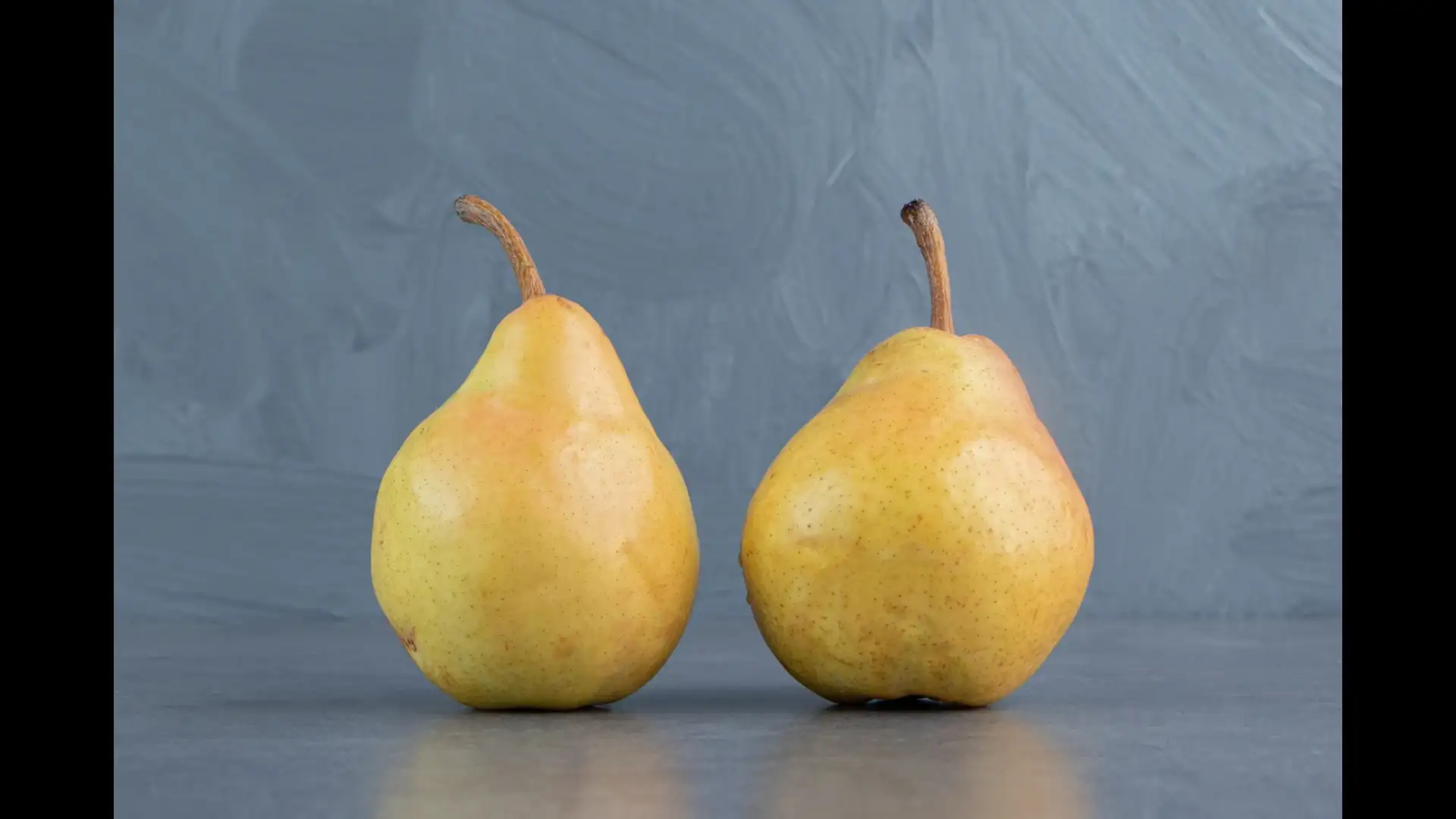
Different varieties vary in colour, firmness and flavour. Some have crisp flesh, while others become buttery and soft as they ripen. Knowing when a pear is ready to eat and how to store it can help reduce waste and make the most of this everyday fruit.
Pears also contain water and natural sugars. Their sweetness can make them a satisfying alternative to some highly processed snacks. However, they should be considered part of a varied diet rather than a special food that independently prevents or treats health conditions.
Their mild flavour makes pears easy to combine with other ingredients. Sliced pear can be added to a bowl of oats, mixed with unsweetened yoghurt or paired with nuts for a simple snack. Thin slices also work well in salads containing leafy greens and cucumber.
If the pears are still hard, leave them at room temperature until they soften. Once ripe, refrigerate them to slow further ripening. Keep cut pieces covered in the refrigerator and consume them promptly.
Pear benefits are best enjoyed as part of an overall balanced eating pattern. Rotate them with other seasonal fruits instead of relying on one variety every day. Their natural sweetness, fibre and easy preparation make them a practical addition to breakfast, snacks and homemade dishes.
Different varieties vary in colour, firmness and flavour. Some have crisp flesh, while others become buttery and soft as they ripen. Knowing when a pear is ready to eat and how to store it can help reduce waste and make the most of this everyday fruit.
A source of fibre
One of the notable pear benefits is its dietary fibre content. Fibre supports normal digestive function and contributes to a balanced eating pattern. Much of a pear's fibre is found in and just beneath the skin, so eating the fruit unpeeled, after washing it thoroughly, helps retain more of it.Pears also contain water and natural sugars. Their sweetness can make them a satisfying alternative to some highly processed snacks. However, they should be considered part of a varied diet rather than a special food that independently prevents or treats health conditions.
Other nutrients in pears
Pears provide vitamin C and smaller amounts of other vitamins and minerals. Vitamin C contributes to normal immune function and helps the body absorb iron from plant-based foods. The exact nutritional contribution depends on the size and variety of the fruit.You may also like
- Yash's seven-year-old son watched his father play Ravana in Ramayana and cried during the Jatayu scene, saying he should not have killed the bird even in a film; the actor says he had to explain the role
- Pregnancy and Eczema Flare-Ups: Causes and Safe Relief
- Nepo Babies: Hollywood Stop Apologizing for Their Privilege, but how is the industry reacting?
- His family identified a body, performed his last rites and received insurance money; six months later, this 37-year-old man returned home alive, leaving police to ask whose body they cremated
- 9 Famous Hanuman Temples in South India to Visit During Diwali 2026
Their mild flavour makes pears easy to combine with other ingredients. Sliced pear can be added to a bowl of oats, mixed with unsweetened yoghurt or paired with nuts for a simple snack. Thin slices also work well in salads containing leafy greens and cucumber.
How to choose ripe pears
A ripe pear should have a pleasant aroma and feel slightly yielding near the stem when gently pressed. Avoid fruit with extensive bruising, leaking patches or signs of mould. Some varieties remain firm even when ready to eat, so colour alone is not a reliable indicator of ripeness.If the pears are still hard, leave them at room temperature until they soften. Once ripe, refrigerate them to slow further ripening. Keep cut pieces covered in the refrigerator and consume them promptly.
Enjoy them in different ways
Fresh pears are convenient because they need little preparation. Wash the skin, remove the core and slice the fruit when needed. They can also be gently cooked with cinnamon and a little water for a simple dessert, without adding large amounts of sugar.Pear benefits are best enjoyed as part of an overall balanced eating pattern. Rotate them with other seasonal fruits instead of relying on one variety every day. Their natural sweetness, fibre and easy preparation make them a practical addition to breakfast, snacks and homemade dishes.






Loving Newspoint? Download the app now
