
Why Everyone Is Suddenly Talking About Fibre-Rich Foods

For years, conversations about healthy eating often revolved around protein, calories and cutting down on sugar. Now another nutrient is getting its turn in the spotlight: fibre. From oats and lentils to fruit, vegetables, nuts and seeds, fibre-rich foods are appearing more prominently in conversations about gut health , heart health and balanced eating. The renewed interest is not entirely surprising. The NHS recommends that adults should aim for around 30g of fibre a day, yet average intake remains below that level in the UK. As people become more aware of the connection between food and long-term health, fibre is moving from a forgotten nutritional footnote to an everyday priority.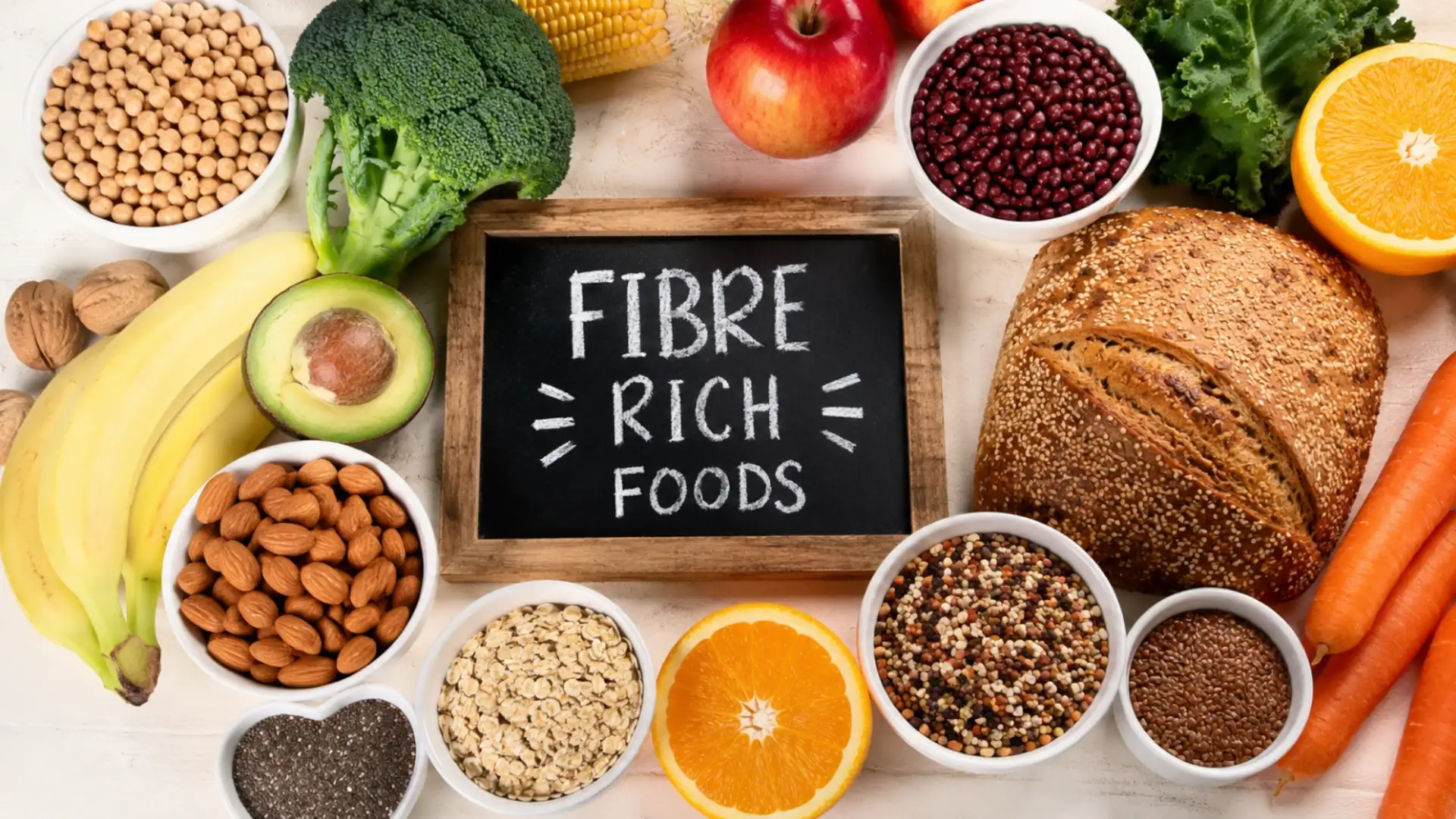
That process is one reason fibre has become closely associated with the gut microbiome. Some fibres act as food for beneficial bacteria , helping support a more diverse microbial community.
Fibre is also found naturally in a huge range of foods, including wholegrains, beans, peas, lentils, fruit, vegetables, nuts and seeds. This makes it possible to increase fibre intake without relying on specialist products.
Soluble and fermentable fibres can be particularly important because gut bacteria break them down into compounds called short-chain fatty acids. These substances are being studied for their potential roles in maintaining gut and metabolic health.
However, there is no single "best" fibre. Different plant foods contain different types, which is why variety matters more than simply choosing one fibre supplement or one high-fibre food.
A bowl of porridge with berries and seeds, for example, offers a combination of wholegrain fibre, fruit and healthy fats. Similarly, a meal of dal, vegetables and wholegrain roti can provide considerably more fibre than a meal built mainly around refined grains.
This can be useful for people trying to improve their everyday diet without obsessively counting calories.
Interestingly, increasing fibre is often less about discovering new foods and more about changing familiar choices. White bread can become wholemeal bread, white rice can sometimes be replaced with brown rice, and snacks can include fruit, nuts or seeds.
A better approach is to eat a broad range of plant foods throughout the week. Beans, lentils, vegetables, fruit, wholegrains, nuts and seeds all bring different nutrients and types of fibre.
And there is an interesting takeaway from the renewed interest in fibre: one of the most important nutrients for modern diets is found in some of the oldest foods humans have eaten. The humble lentil, oat and apple may not look revolutionary, but they remain remarkably relevant in today's health-conscious kitchen.
What Makes Fibre Different?
Unlike protein, carbohydrates and fats, fibre is not broken down and absorbed in the same way by the small intestine. Instead, much of it travels into the large intestine, where certain types can be fermented by gut bacteria.That process is one reason fibre has become closely associated with the gut microbiome. Some fibres act as food for beneficial bacteria , helping support a more diverse microbial community.
Fibre is also found naturally in a huge range of foods, including wholegrains, beans, peas, lentils, fruit, vegetables, nuts and seeds. This makes it possible to increase fibre intake without relying on specialist products.
The Gut Health Connection
Perhaps the biggest reason behind fibre's new popularity is growing interest in gut health. Research has increasingly highlighted the relationship between diet, the gut microbiome and overall wellbeing.Soluble and fermentable fibres can be particularly important because gut bacteria break them down into compounds called short-chain fatty acids. These substances are being studied for their potential roles in maintaining gut and metabolic health.
However, there is no single "best" fibre. Different plant foods contain different types, which is why variety matters more than simply choosing one fibre supplement or one high-fibre food.
Fibre Can Make Meals More Satisfying
There is also a very practical reason to eat more fibre. Fibre-rich foods can help meals feel more filling, particularly when they contain plenty of water or bulk.A bowl of porridge with berries and seeds, for example, offers a combination of wholegrain fibre, fruit and healthy fats. Similarly, a meal of dal, vegetables and wholegrain roti can provide considerably more fibre than a meal built mainly around refined grains.
You may also like
- Komic village: Inside India's 'village closest to the sky' where oxygen is nearly 50% lower
- 9 Unique Krishna Mehndi Ideas for a Festive Janmashtami
- 15 Benefits of Moringa for Skin and Hair
- 10 Amazing Benefits of Beetroot for Skin and Hair
- Traumatic Birth and Heavy Bleeding: Understanding the Emotional Impact
This can be useful for people trying to improve their everyday diet without obsessively counting calories.
Why Fibre Matters for Everyday Health
Higher-fibre diets are associated with a range of health benefits, including better digestive health and a lower risk of several chronic diseases . UK dietary guidance therefore encourages people to choose wholegrain versions of starchy foods and eat plenty of fruit and vegetables.Interestingly, increasing fibre is often less about discovering new foods and more about changing familiar choices. White bread can become wholemeal bread, white rice can sometimes be replaced with brown rice, and snacks can include fruit, nuts or seeds.
The Important Part Is Variety
The current fibre trend is useful, but it should not turn into another restrictive food craze. Simply choosing a cereal labelled "high fibre" does not necessarily make the rest of a diet balanced.A better approach is to eat a broad range of plant foods throughout the week. Beans, lentils, vegetables, fruit, wholegrains, nuts and seeds all bring different nutrients and types of fibre.
And there is an interesting takeaway from the renewed interest in fibre: one of the most important nutrients for modern diets is found in some of the oldest foods humans have eaten. The humble lentil, oat and apple may not look revolutionary, but they remain remarkably relevant in today's health-conscious kitchen.






Loving Newspoint? Download the app now
