
Why Does the First Day of a Holiday Feel So Long? The Science Explained

When you step off a plane or check into a hotel on the first day of a trip, your brain shifts out of its usual automatic routine. In everyday life, familiar environments allow your mind to process information quickly without spending extra energy. However, entering an unfamiliar city exposes you to hundreds of fresh sights, foreign sounds, unusual smells, and new physical layouts.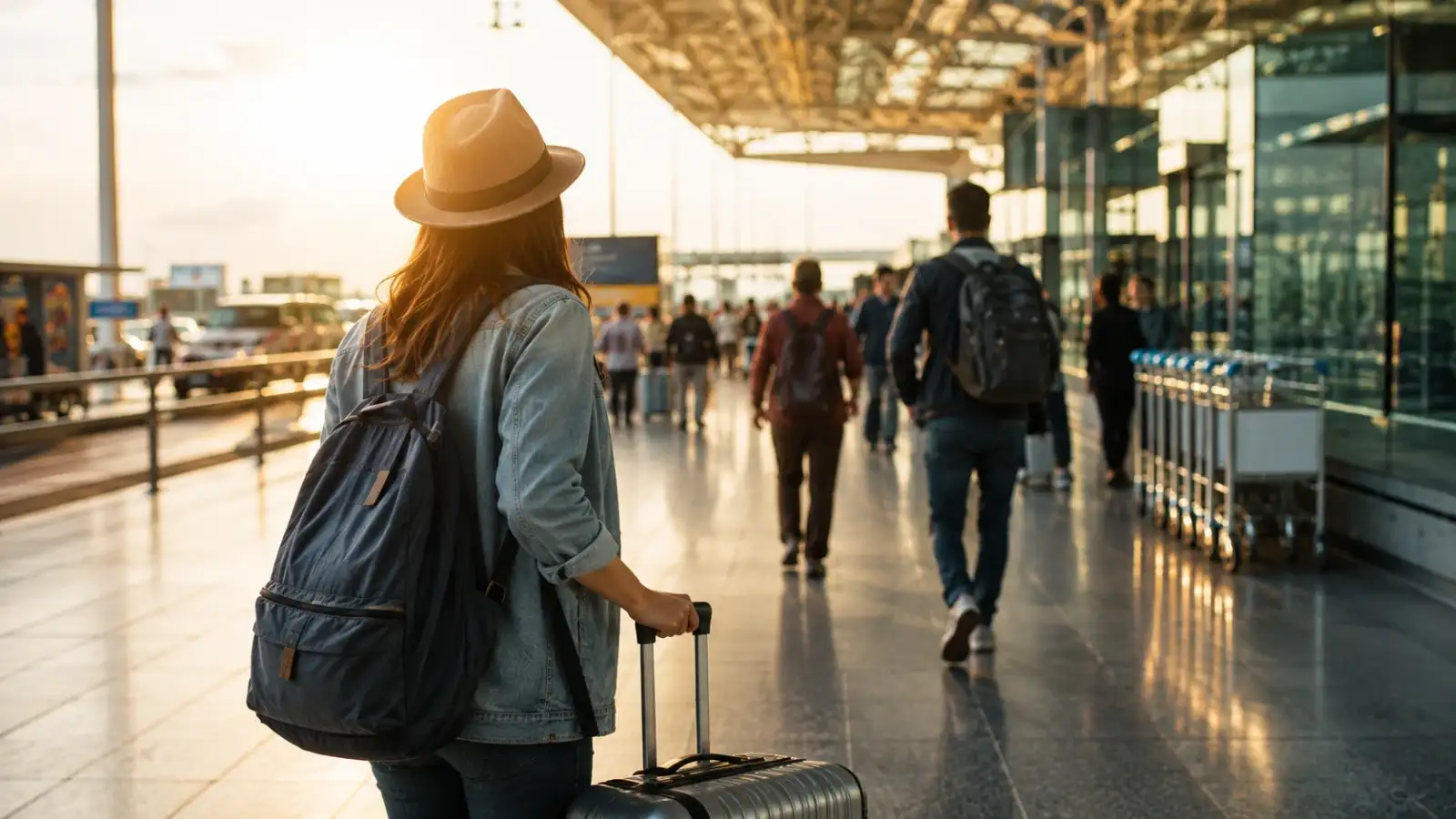
Psychologists refer to this phenomenon as the holiday paradox . Because your brain must pay close attention to process this sudden rush of new information, it creates dense, highly detailed memory files. When you reflect on the afternoon later that evening, your mind measures time by the sheer volume of memories formed, making the first day feel incredibly long and expansive.
Heightened Awareness and Escaping Everyday Routine
Daily work routines often run on autopilot, causing weeks to fly past in a blur of repetitive habits. The first day of a holiday shatters that routine completely. Every simple action, from navigating a foreign train station to figuring out local currency or ordering lunch from a menu in another language, requires conscious effort and active focus. This heightened state of awareness forces you to live completely in the present moment. By engaging your senses fully in every new task, your internal clock slows down dramatically, stretching a single morning of sightseeing into what feels like an entire weekend.
Navigating Spatial Realities and Orientation Tasks
Arriving in a new destination demands continuous spatial mapping from your brain. You spend your first day figuring out where your hotel sits in relation to main streets, locating nearby cafes, and learning local transport routes.
Finding your way around a fresh map requires high levels of spatial awareness and active problem solving. Because your brain works harder to construct an internal map of an unfamiliar environment, the hours spent exploring feel far more extended than walking down your regular street back home. Once you get your bearings over the following days, this navigational effort drops, causing subsequent days to pass much faster.
Stress Reduction and Shifts in Internal Biological Rhythms
The transition from pre-trip work stress to full holiday relaxation alters how your body measures time. Leading up to a trip, high cortisol levels and rushing to pack make hours seem short and hectic. Stepping into holiday mode triggers an immediate drop in stress levels, allowing your heart rate and breathing to settle into a slower rhythm.
This sudden shift in physical pacing changes your internal chronometry. Without rigid work deadlines or hourly schedules driving your day, your mind stops constantly checking the clock, creating a pleasant feeling of endless time during those initial twenty-four hours.
Why Later Holiday Days Seem to Pass Faster
By the third or fourth day of your holiday, your brain begins to adapt to your new surroundings. The local streets look familiar, the morning breakfast spot becomes routine, and navigating the area requires far less mental energy.
As novel stimuli fade into predictable patterns, your brain returns to processing information efficiently, forming fewer dense memory imprints per hour. This natural adaptation explains why the middle and end of a trip seem to speed past in a flash. Embracing spontaneous activities, changing your daily walking routes, and trying fresh experiences throughout your stay can help maintain that expansive first day feeling right up until you return home.
Psychologists refer to this phenomenon as the holiday paradox . Because your brain must pay close attention to process this sudden rush of new information, it creates dense, highly detailed memory files. When you reflect on the afternoon later that evening, your mind measures time by the sheer volume of memories formed, making the first day feel incredibly long and expansive.
Heightened Awareness and Escaping Everyday Routine
Daily work routines often run on autopilot, causing weeks to fly past in a blur of repetitive habits. The first day of a holiday shatters that routine completely. Every simple action, from navigating a foreign train station to figuring out local currency or ordering lunch from a menu in another language, requires conscious effort and active focus. This heightened state of awareness forces you to live completely in the present moment. By engaging your senses fully in every new task, your internal clock slows down dramatically, stretching a single morning of sightseeing into what feels like an entire weekend.
Navigating Spatial Realities and Orientation Tasks
You may also like
- No More Hassle of Submitting Aadhaar Photocopies at Hotels; New Verification Rules Issued
- Train ticket not booked but money deducted from your bank? Here's how to get a refund.
- When 'I'm fine' means anything but fine
- Which flight tickets are the cheapest between August 24 and August 30?
- The Parent-Child Connection
Arriving in a new destination demands continuous spatial mapping from your brain. You spend your first day figuring out where your hotel sits in relation to main streets, locating nearby cafes, and learning local transport routes.
Finding your way around a fresh map requires high levels of spatial awareness and active problem solving. Because your brain works harder to construct an internal map of an unfamiliar environment, the hours spent exploring feel far more extended than walking down your regular street back home. Once you get your bearings over the following days, this navigational effort drops, causing subsequent days to pass much faster.
Stress Reduction and Shifts in Internal Biological Rhythms
The transition from pre-trip work stress to full holiday relaxation alters how your body measures time. Leading up to a trip, high cortisol levels and rushing to pack make hours seem short and hectic. Stepping into holiday mode triggers an immediate drop in stress levels, allowing your heart rate and breathing to settle into a slower rhythm.
This sudden shift in physical pacing changes your internal chronometry. Without rigid work deadlines or hourly schedules driving your day, your mind stops constantly checking the clock, creating a pleasant feeling of endless time during those initial twenty-four hours.
Why Later Holiday Days Seem to Pass Faster
By the third or fourth day of your holiday, your brain begins to adapt to your new surroundings. The local streets look familiar, the morning breakfast spot becomes routine, and navigating the area requires far less mental energy.
As novel stimuli fade into predictable patterns, your brain returns to processing information efficiently, forming fewer dense memory imprints per hour. This natural adaptation explains why the middle and end of a trip seem to speed past in a flash. Embracing spontaneous activities, changing your daily walking routes, and trying fresh experiences throughout your stay can help maintain that expansive first day feeling right up until you return home.






Loving Newspoint? Download the app now
