
Why Food Cooked in Clay Pots Tastes Different: The Science Explained

In an age dominated by shiny stainless steel saucepans, non-stick frying pans, and high-tech pressure cookers, ancient earthenware cooking vessels are making a massive comeback in modern kitchens. Food lovers, traditional chefs, and home cooks frequently point out that a curry, stew, or pot of rice prepared inside an unglazed earthen vessel possesses a unique depth of flavour that modern metal cookware simply cannot recreate. What might seem like mere culinary nostalgia is actually backed by centuries of practical kitchen science, chemistry, and physics. The natural properties of baked river clay alter how heat travels, how moisture circulates, and how acidity is balanced during the cooking process. Exploring why food cooked in clay pots tastes different reveals how slow heat distribution, porous steam circulation, natural alkaline neutralization, and oil reduction transform simple everyday ingredients into deeply aromatic feasts.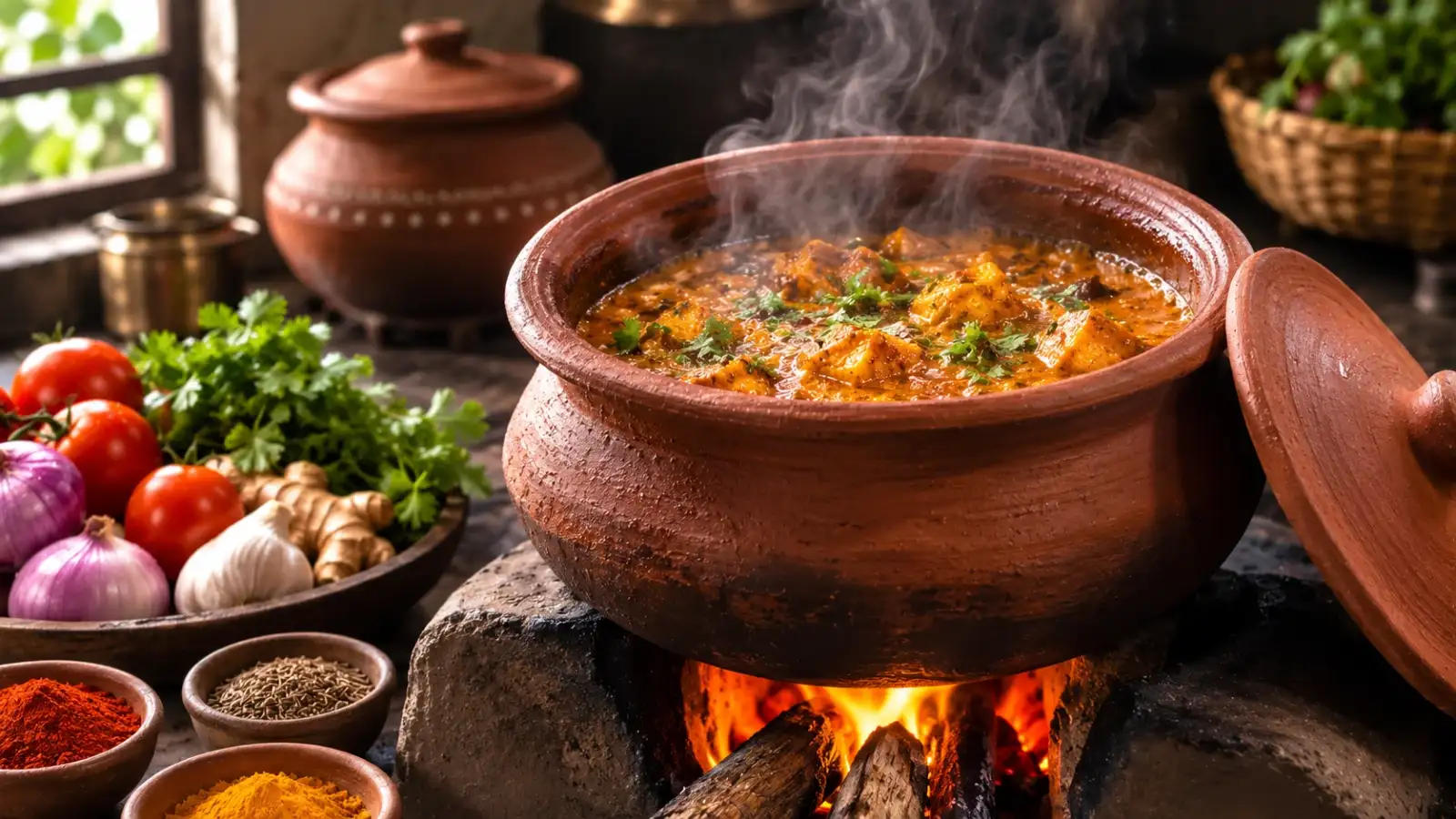
As heat rises, the porous walls trap steam and slowly release it back into the food. This creates a natural, self-basting environment where moisture and delicate aromatic compounds circulate continuously inside the vessel rather than escaping into the kitchen air. This enclosed steam feedback loop keeps meats exceptionally tender, prevents vegetables from drying out, and ensures that delicate spices infuse deeply into every single grain of rice or pulse.
When you place a clay handi over a flame, the heat gently penetrates the earthen walls, simmering the contents at a steady, gentle temperature. This gentle slow heat gives complex proteins and tough plant fibers time to break down naturally without losing their structural integrity. Furthermore, because clay retains heat for a long time after the stove is turned off, the dish continues to cook gently in its own residual warmth, allowing complex spices to meld seamlessly together.
When acidic ingredients are simmered inside an unglazed earthen pot, the alkaline clay interacts directly with the food acids. This subtle chemical interaction neutralizes excessive sharpness, rounding off harsh acidic edges and unlocking the natural sweetness hidden within the ingredients. The result is a smooth, balanced, and velvety sauce that tastes gentle on the palate and feels easier on the stomach.
Porous clay walls and self-basting steam circulation
The fundamental secret behind earthenware cookware lies in the physical structure of baked clay itself. Unlike dense metal surfaces like iron, aluminum, or steel, unglazed clay is a porous material filled with millions of microscopic air pockets. When water, stock, or vegetable juices boil inside the pot, moisture severs into steam and penetrates these tiny microscopic pores.As heat rises, the porous walls trap steam and slowly release it back into the food. This creates a natural, self-basting environment where moisture and delicate aromatic compounds circulate continuously inside the vessel rather than escaping into the kitchen air. This enclosed steam feedback loop keeps meats exceptionally tender, prevents vegetables from drying out, and ensures that delicate spices infuse deeply into every single grain of rice or pulse.
You may also like
- Understanding Global Anxiety: What Level 3 Means and How Millions Cope Across India and Pakistan
- Rising Temperatures Pose Severe Health Risks to the Elderly: New Study Warns South Asia
- Natural Relief: How Ginger and Traditional Home Remedies Cure Coughs and Colds
- Kylie Jenner Spotlights the Chic Lilian Bag at Malibu Wedding
- 6 Signs Someone Lies About Everything - Chanakya Niti
Gentle slow heat distribution and thermal retention
Metals like aluminum and copper conduct heat very rapidly, often creating hot spots on the bottom of the pan that can scorch food, burn spices, or dry out delicate ingredients. Clay, on the other hand, is an excellent thermal insulator that absorbs heat slowly and distributes it remarkably evenly across the entire surface of the pot.When you place a clay handi over a flame, the heat gently penetrates the earthen walls, simmering the contents at a steady, gentle temperature. This gentle slow heat gives complex proteins and tough plant fibers time to break down naturally without losing their structural integrity. Furthermore, because clay retains heat for a long time after the stove is turned off, the dish continues to cook gently in its own residual warmth, allowing complex spices to meld seamlessly together.
Alkaline clay neutralization of food acidity
Natural river clay is naturally alkaline in chemical composition. Most common cooking ingredients, including tomatoes, vinegar, garlic, citrus juices, and acidic spices, possess a low pH level that can sometimes taste harsh or cause digestive discomfort.When acidic ingredients are simmered inside an unglazed earthen pot, the alkaline clay interacts directly with the food acids. This subtle chemical interaction neutralizes excessive sharpness, rounding off harsh acidic edges and unlocking the natural sweetness hidden within the ingredients. The result is a smooth, balanced, and velvety sauce that tastes gentle on the palate and feels easier on the stomach.
Oil reduction and the subtle earthy aroma
Because clay holds moisture and circulates steam so efficiently, dishes cooked in earthenware require significantly less cooking oil or butter to stay moist. Less oil means that the natural flavours of herbs, fresh vegetables, and meat are not masked by heavy fats. Additionally, as the clay heats up, it imparts a subtle, comforting earthy aroma into the dish, creating that timeless rustic taste that fans of traditional cooking treasure.Rediscovering the timeless joy of earthenware cooking
Understanding why food cooked in clay pots tastes different reminds us that ancient cooking traditions were built on brilliant natural wisdom. By embracing the gentle heat and porous magic of earth, you bring unmatched flavour and rustic comfort back to your dining table.





Loving Newspoint? Download the app now
