Ever Wondered Why Hot Food Smells Stronger? Here's the Scientific Reason

Have you ever walked past a bakery in the morning and caught a rich, warm wave of freshly baked bread, or felt your mouth water as a steaming bowl of curry was set down on your table? Conversely, if you pull that exact same curry out of the refrigerator the next day to eat it cold, you will notice that the enticing aroma has almost completely vanished. Cold food seems quiet, subtle, and faint to our noses, whereas hot dishes command immediate attention across an entire room. What feels like a simple everyday occurrence is actually driven by molecular physics, thermal energy, rising steam, and human nasal biology. Exploring why food smells stronger when it is hot reveals how thermal energy release, volatile organic compounds, steam transport, and warm nasal receptors work together to amplify scent.
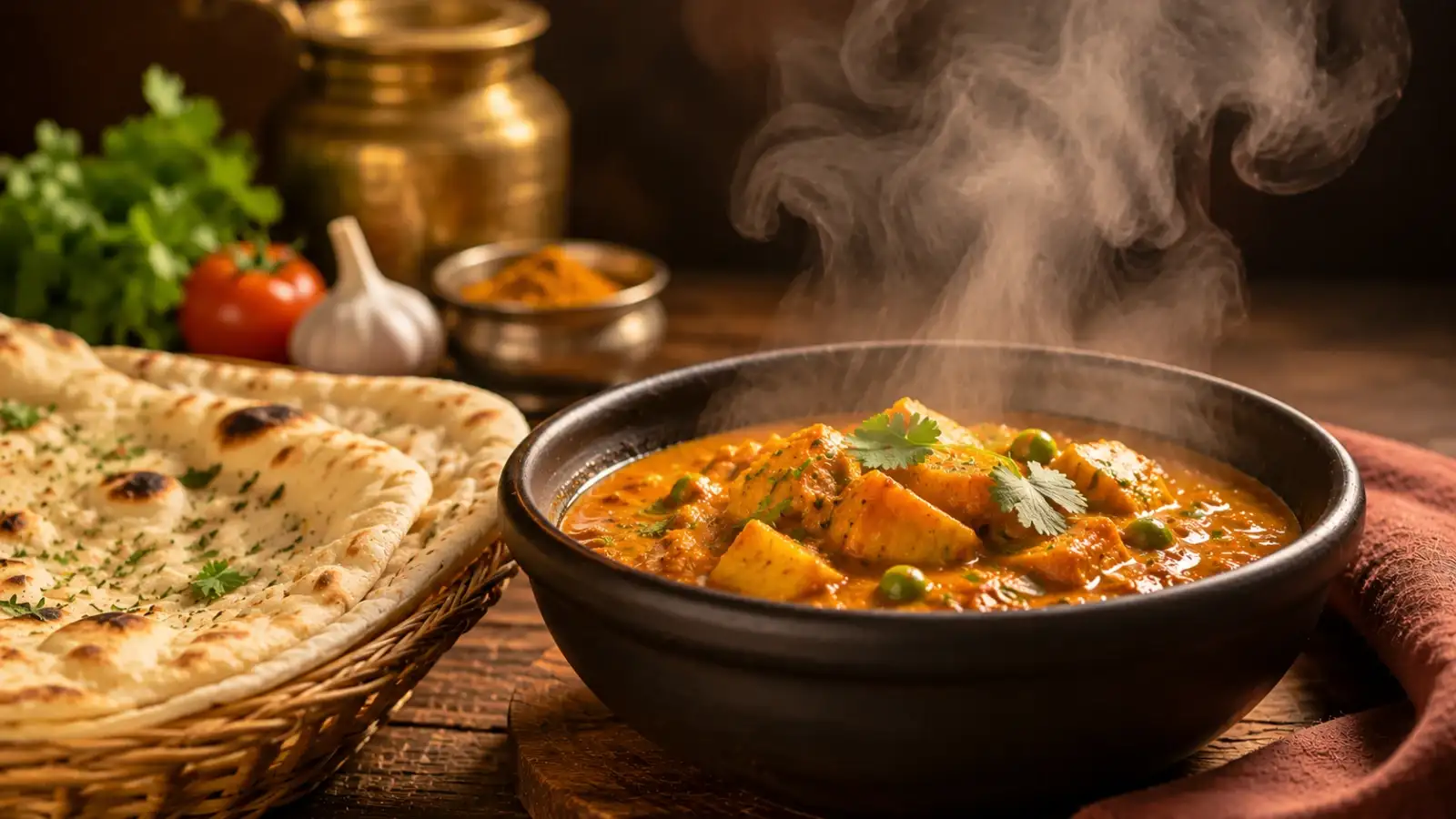
Hero Image


Thermal energy release and volatile organic compound excitation

To understand why hot food smells so powerful, we must first look at what smell actually is on a physical level. The aroma of any dish comes from volatile organic compounds, which are lightweight chemical molecules capable of evaporating easily into the surrounding air.

When food is cold or kept at room temperature, these aromatic chemical molecules move slowly, remaining trapped within the liquids, fats, and solid structures of the dish. However, applying thermal energy through cooking or heating acts like a turbocharger for these molecules. Heat causes the atoms inside the food to vibrate rapidly, breaking the physical bonds holding volatile organic compounds within the meal. As the temperature rises, these energized molecules escape the surface of the food in massive quantities, filling the surrounding room with airborne scent particles.


Rising steam as a carrier for aromatic molecules

Thermal energy alone causes molecules to evaporate, but rising steam acts as an efficient express delivery vehicle for food aromas. Most hot dishes contain a significant amount of water content that transforms into buoyant steam as the temperature rises.

As warm steam ascends from a sizzling pan or hot bowl, it creates upwards air currents that carry volatile organic compounds straight toward your nose. Furthermore, steam contains fine water droplets that bind with water-soluble scent molecules. This moisture suspension allows complex food aromas to travel further across a room than they ever could from a dry, cold plate, making a hot meal instantly noticeable from meters away.


Olfactory receptor warmth and heightened sensitivity

The temperature transformation does not stop when airborne scent molecules reach your nose. Human biology is tuned to react more intensely to warm aromatic signals.

Deep inside your nasal cavity lies the olfactory epithelium, a specialized tissue packed with millions of nerve receptors that detect smell. Recent physiological studies show that TRPM5, a tiny ion channel in human taste and smell receptors, reacts far more aggressively when exposed to warmer temperatures. When you inhale warm air carrying excited scent molecules, your olfactory receptors fire rapid signals to the brain, producing a much stronger, richer, and more detailed perception of aroma compared to inhaling cold air from a chilled dish.

Melted fats and released lipophilic scent compounds

Many of the richest, most irresistible food scents are locked inside fats and oils. Cold butter, solidified lard, or cold vegetable oil trap lipophilic scent compounds inside a dense, solid matrix where they cannot escape into the air.

When you heat a dish, these solidified fats melt into smooth liquids. As fats liquefy, they unleash trapped aromatic compounds, allowing them to vaporize and join the rising steam. This is why melting cheese, frying bacon, or sizzling garlic in warm oil produces an instant, mouth-watering explosion of fragrance.


Harnessing heat for the ultimate dining experience

Understanding why food smells stronger when it is hot helps us appreciate the intricate science behind culinary pleasure. By serving meals at their ideal warm temperatures, we maximize aromatic release and enjoy the full depth of flavour that good food has to offer.