
Why Forks Have Four Prongs: The Smart Design Secret Behind Everyday Cutlery

Why forks have four prongs is something most of us never question while eating our favourite meals. Whether it’s pasta, noodles, or fried rice, the fork feels perfectly designed for the job. But this everyday utensil carries a fascinating story of evolution, innovation, and practical design that has been refined over centuries.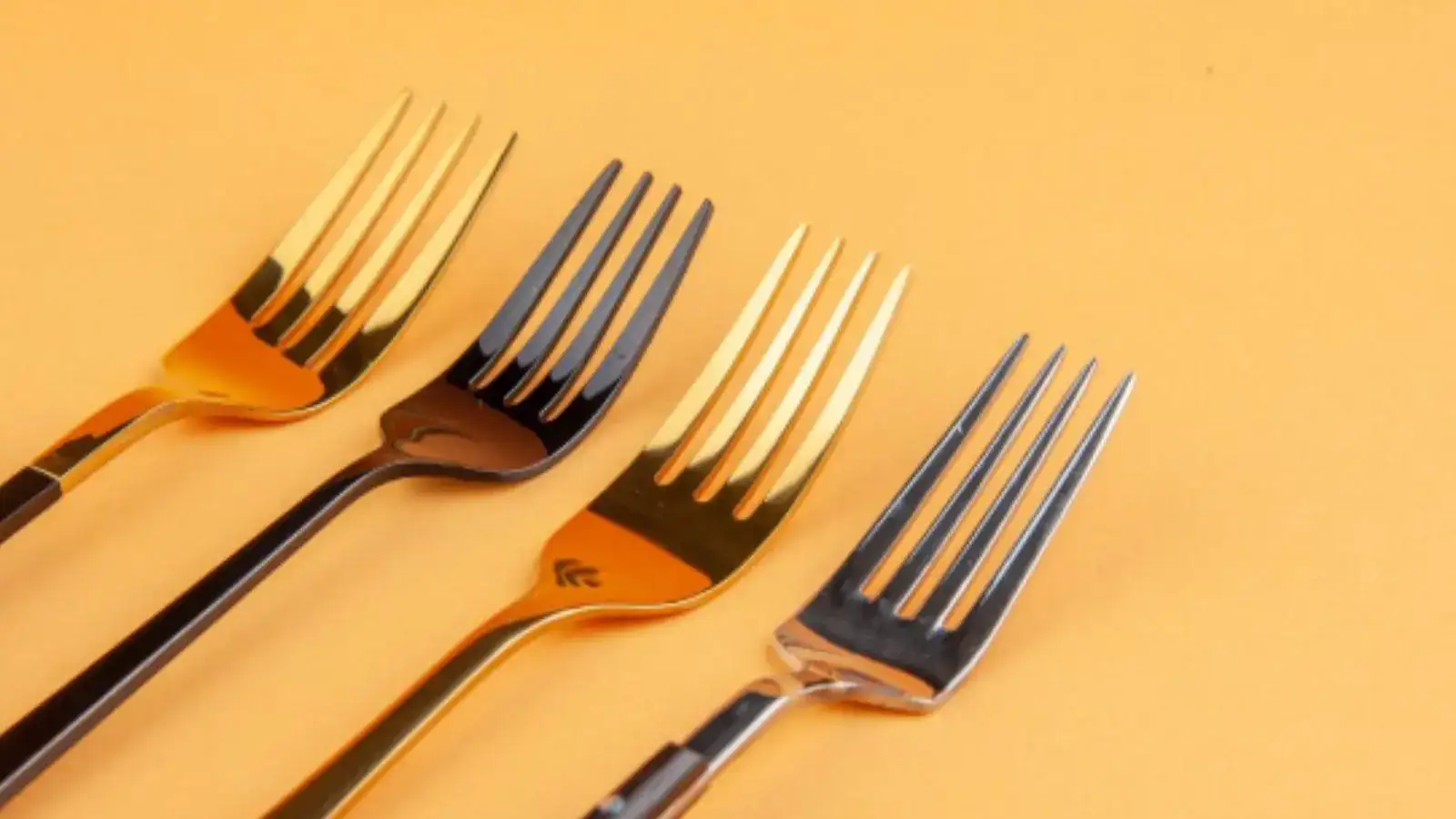
The Early History of Forks
Fork-like tools have existed since ancient times. Civilisations in Egypt, Greece, and Rome used them primarily for cooking and serving food rather than eating.
In medieval Europe, however, people relied heavily on their hands and knives during meals. Forks were considered unnecessary and even odd by many, delaying their widespread acceptance at the dining table.
From Two Prongs to Four: A Design Evolution
The earliest forks used for eating had just two prongs. While they worked well for picking up chunks of meat, they were far from ideal for handling foods like noodles or grains, which easily slipped through.
To solve this, three-pronged forks were introduced. They offered slightly better grip, but still lacked the stability needed for more delicate or slippery foods.
The Breakthrough That Changed Dining
A major turning point came in the 18th century when Gennaro Spadasini from Naples introduced the four-pronged fork.
This design quickly stood out for its balance and efficiency. It provided a stronger grip and better control, making eating a smoother and more enjoyable experience. Over time, it became the standard design used across the world.
Why Four Prongs Work So Well
The four-pronged fork is not just a random choice - it’s a result of thoughtful design:
The slight curve in modern forks further adds to their efficiency by keeping food in place.
Why Not More (or Fewer) Prongs?
While forks with more than four prongs do exist, they are generally bulkier and less practical for everyday use.
On the other hand, forks with fewer prongs fail to provide the grip and support needed for a variety of foods. The four-pronged design strikes the perfect balance between functionality and comfort.
A Simple Tool with a Thoughtful Design
What looks like a basic dining tool is actually the result of centuries of refinement. The four-pronged fork combines practicality, comfort, and versatility in a way that few other designs can match.
So, the next time you pick up a fork, remember - you’re holding a small but brilliant piece of design history shaped by innovation and everyday needs.
The Early History of Forks
Fork-like tools have existed since ancient times. Civilisations in Egypt, Greece, and Rome used them primarily for cooking and serving food rather than eating.
In medieval Europe, however, people relied heavily on their hands and knives during meals. Forks were considered unnecessary and even odd by many, delaying their widespread acceptance at the dining table.
From Two Prongs to Four: A Design Evolution
The earliest forks used for eating had just two prongs. While they worked well for picking up chunks of meat, they were far from ideal for handling foods like noodles or grains, which easily slipped through.
To solve this, three-pronged forks were introduced. They offered slightly better grip, but still lacked the stability needed for more delicate or slippery foods.
The Breakthrough That Changed Dining
A major turning point came in the 18th century when Gennaro Spadasini from Naples introduced the four-pronged fork.
This design quickly stood out for its balance and efficiency. It provided a stronger grip and better control, making eating a smoother and more enjoyable experience. Over time, it became the standard design used across the world.
Why Four Prongs Work So Well
The four-pronged fork is not just a random choice - it’s a result of thoughtful design:
- Better grip: The extra prongs help hold food securely without slipping
- Improved balance: Even weight distribution makes handling easier
- Versatility: Works well for both solid and soft foods
- Enhanced control: Ideal for twirling pasta or picking up small items
The slight curve in modern forks further adds to their efficiency by keeping food in place.
Why Not More (or Fewer) Prongs?
While forks with more than four prongs do exist, they are generally bulkier and less practical for everyday use.
On the other hand, forks with fewer prongs fail to provide the grip and support needed for a variety of foods. The four-pronged design strikes the perfect balance between functionality and comfort.
A Simple Tool with a Thoughtful Design
What looks like a basic dining tool is actually the result of centuries of refinement. The four-pronged fork combines practicality, comfort, and versatility in a way that few other designs can match.
So, the next time you pick up a fork, remember - you’re holding a small but brilliant piece of design history shaped by innovation and everyday needs.
Next Story