
Why Foundation Clings to Dry Winter Skin and the Prep Step That Fixes It


Foundation does not cling to dry skin by accident. It grips dead cells the way tape grips paper, the drier the surface, the harder the hold, and the more visible the texture underneath. Cold months accelerate transepidermal water loss, the process by which moisture evaporates through the skin barrier, and the outer layer of the epidermis, the stratum corneum, thickens with dead cells that have not shed cleanly. A liquid foundation, when pressed onto that surface, fills the gaps between those cells and sets there. The result is patchy coverage, visible flaking, and a finish that looks cakey within an hour.
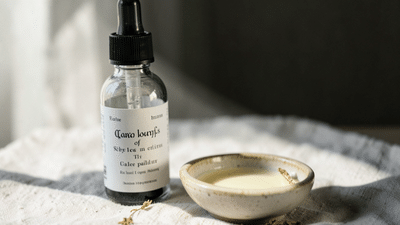
What Is Actually Happening at the Skin Surface The stratum corneum is made up of corneocytes, flattened, dead skin cells held together by lipids. In well-hydrated skin, these cells lie flat and shed in a regular cycle of roughly twenty-eight days. In winter, low humidity outside and heated, dry air inside both strip the lipids that hold this layer together. The shedding cycle slows. Cells pile up in irregular clusters rather than releasing cleanly. When a foundation is applied over this surface, the pigment particles in the formula settle into the uneven texture and catch the light from multiple angles, which is what makes the skin look dull and patchy rather than smooth.
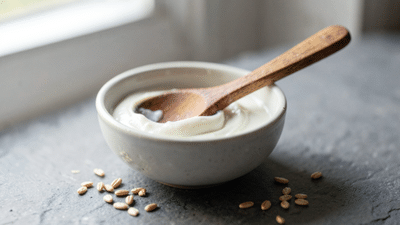 My winter skin prep involves this creamy texture, ensuring foundation glides on smoothly.
Why Moisturiser Alone Does Not Solve It Applying moisturiser over un-exfoliated skin is like painting over peeling plaster. The moisturiser hydrates the cells that are sitting on top, but those cells are dead and already detached. They absorb the product, swell slightly, and still sit unevenly on the surface. Foundation applied over them still has an irregular base. The moisturiser helps, but it does not address the physical texture problem. This is why some people find that switching to a richer moisturiser in winter makes almost no difference to how their foundation wears.
The Prep Step That Changes the Surface Chemical exfoliation with a low-concentration lactic acid, typically between five and ten percent, which is the range found in most over-the-counter leave-on formulas, dissolves the bonds between dead corneocytes without physically scrubbing the skin. Lactic acid is an alpha hydroxy acid, and of the AHAs it is the most appropriate for dry skin because it also acts as a humectant, drawing water into the cells as it works. Used two to three nights a week, it clears the irregular surface layer so that by morning, the skin is genuinely smoother, not just moisturised. A physical scrub does a version of this, but in winter the friction can compromise a barrier that is already stressed, so chemical exfoliation is the lower-risk route. The prep step is not a morning step. It is the night-before step. Exfoliate in the evening, apply a ceramide-based moisturiser on top, and the morning skin is a different surface to work with.
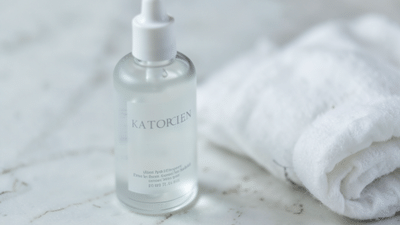 Preparing for winter skin prep for foundation with this hydrating serum. My skin feels soothed.
The Morning Routine That Follows After exfoliation the night before, the morning sequence matters. A hydrating toner or essence applied to slightly damp skin pulls water into the barrier before it has a chance to tighten. A moisturiser with glycerin or hyaluronic acid goes on next, and it needs two to three minutes to fully absorb before anything else is applied. Skipping that wait is where most people lose the result, the foundation sits on a film of product that has not bound to the skin, and it moves and patches as the day goes on. A primer is optional but useful if the skin still shows texture: a silicone-based primer fills surface irregularities mechanically, while a hydrating primer adds another layer of moisture. Neither replaces the exfoliation step. They manage what remains after it.
Choosing the Right Foundation Formula for Winter Formula matters less than prep, but it is not irrelevant. Powder foundations and long-wear matte formulas are both designed to reduce moisture at the skin surface, which is the opposite of what dry winter skin needs. A serum foundation or a skin-tint with a dewy finish sits differently on a prepared surface, the higher water content in the formula does not fight the skin's need for hydration. Buildable coverage applied in thin layers over a hydrated, exfoliated surface consistently outperforms full-coverage formulas pressed onto a dry one. The finish looks more like skin because it is working with the skin's actual surface rather than trying to cover it.
The flaking under foundation in winter is not a foundation problem. It is a surface problem that shows up in the foundation. Clear the surface the night before, give the morning routine time to settle, and the formula in the bottle finally has something smooth to sit on.
What Is Actually Happening at the Skin Surface The stratum corneum is made up of corneocytes, flattened, dead skin cells held together by lipids. In well-hydrated skin, these cells lie flat and shed in a regular cycle of roughly twenty-eight days. In winter, low humidity outside and heated, dry air inside both strip the lipids that hold this layer together. The shedding cycle slows. Cells pile up in irregular clusters rather than releasing cleanly. When a foundation is applied over this surface, the pigment particles in the formula settle into the uneven texture and catch the light from multiple angles, which is what makes the skin look dull and patchy rather than smooth.
Why Moisturiser Alone Does Not Solve It Applying moisturiser over un-exfoliated skin is like painting over peeling plaster. The moisturiser hydrates the cells that are sitting on top, but those cells are dead and already detached. They absorb the product, swell slightly, and still sit unevenly on the surface. Foundation applied over them still has an irregular base. The moisturiser helps, but it does not address the physical texture problem. This is why some people find that switching to a richer moisturiser in winter makes almost no difference to how their foundation wears.
The Prep Step That Changes the Surface Chemical exfoliation with a low-concentration lactic acid, typically between five and ten percent, which is the range found in most over-the-counter leave-on formulas, dissolves the bonds between dead corneocytes without physically scrubbing the skin. Lactic acid is an alpha hydroxy acid, and of the AHAs it is the most appropriate for dry skin because it also acts as a humectant, drawing water into the cells as it works. Used two to three nights a week, it clears the irregular surface layer so that by morning, the skin is genuinely smoother, not just moisturised. A physical scrub does a version of this, but in winter the friction can compromise a barrier that is already stressed, so chemical exfoliation is the lower-risk route. The prep step is not a morning step. It is the night-before step. Exfoliate in the evening, apply a ceramide-based moisturiser on top, and the morning skin is a different surface to work with.
The Morning Routine That Follows After exfoliation the night before, the morning sequence matters. A hydrating toner or essence applied to slightly damp skin pulls water into the barrier before it has a chance to tighten. A moisturiser with glycerin or hyaluronic acid goes on next, and it needs two to three minutes to fully absorb before anything else is applied. Skipping that wait is where most people lose the result, the foundation sits on a film of product that has not bound to the skin, and it moves and patches as the day goes on. A primer is optional but useful if the skin still shows texture: a silicone-based primer fills surface irregularities mechanically, while a hydrating primer adds another layer of moisture. Neither replaces the exfoliation step. They manage what remains after it.
Choosing the Right Foundation Formula for Winter Formula matters less than prep, but it is not irrelevant. Powder foundations and long-wear matte formulas are both designed to reduce moisture at the skin surface, which is the opposite of what dry winter skin needs. A serum foundation or a skin-tint with a dewy finish sits differently on a prepared surface, the higher water content in the formula does not fight the skin's need for hydration. Buildable coverage applied in thin layers over a hydrated, exfoliated surface consistently outperforms full-coverage formulas pressed onto a dry one. The finish looks more like skin because it is working with the skin's actual surface rather than trying to cover it.
The flaking under foundation in winter is not a foundation problem. It is a surface problem that shows up in the foundation. Clear the surface the night before, give the morning routine time to settle, and the formula in the bottle finally has something smooth to sit on.
Next Story