
Why Does Cut Fruit Sometimes Change Colour? Know the Science Behind It

Have you ever cut an apple or a banana, only to notice that its surface turns brown after a few minutes? This colour change is common in many fruits and can happen even when they are fresh. While it may affect their appearance, it does not automatically mean the fruit has spoiled.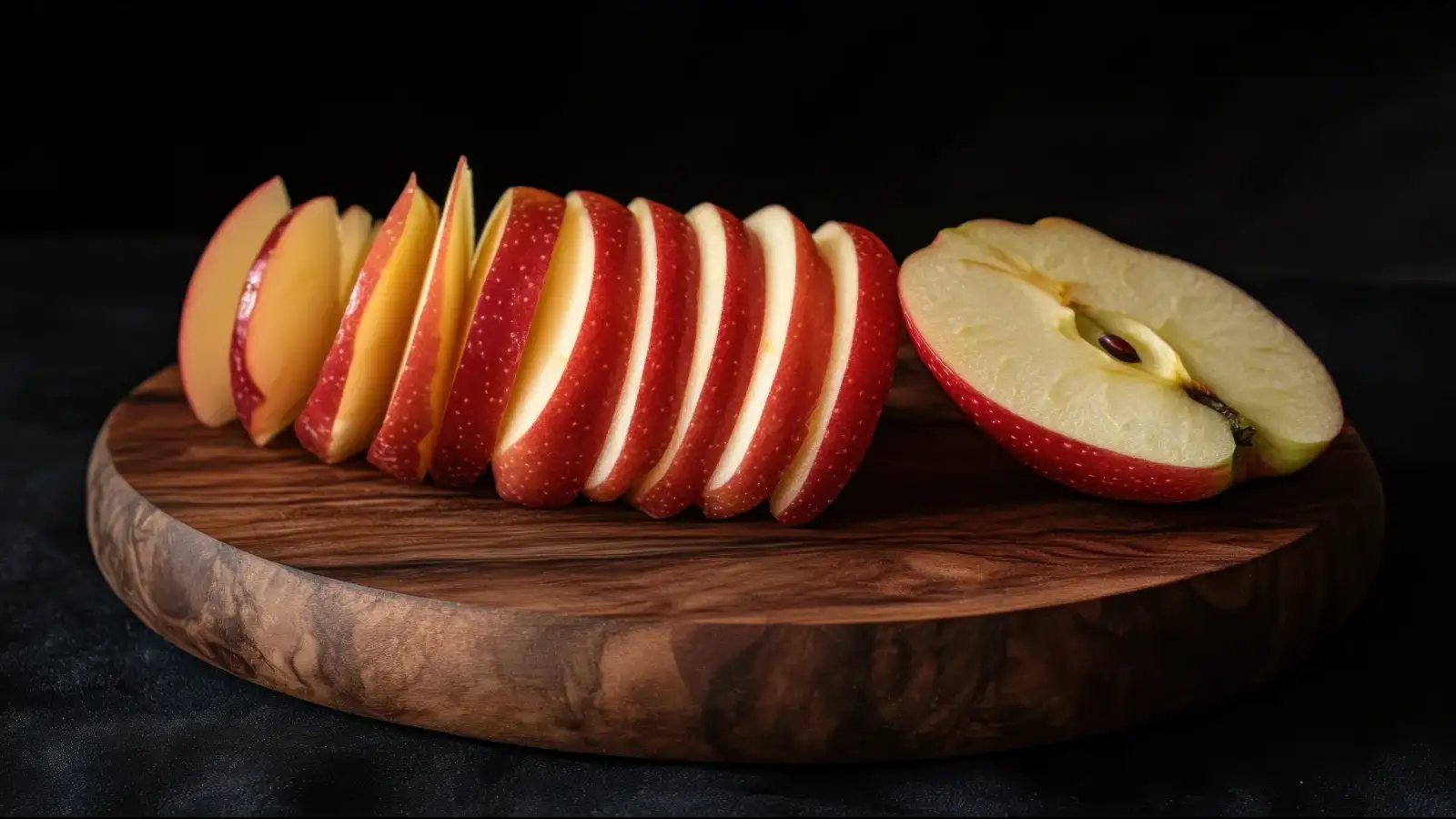
The change is mainly caused by a natural chemical process called enzymatic browning . Exposure to air triggers reactions inside the fruit that gradually alter the colour of its cut surface. However, not all fruits react in the same way, and several factors influence how quickly the change occurs.
These substances react and form products that eventually produce brown pigments on the exposed surface. This process is known as enzymatic browning.
Apples, bananas, pears and avocados are familiar examples of fruits that can undergo this reaction. The speed and intensity of browning depend on the fruit's variety, ripeness, enzyme activity, oxygen exposure and storage conditions.
For example, a freshly cut apple may begin to turn brown within minutes, depending on its variety and surrounding conditions. Bananas can also develop brown patches after cutting, while pears and avocados may darken on their exposed surfaces.
Citrus fruits, such as oranges and lemons, generally show less noticeable enzymatic browning because their high acidity can slow the reaction. However, this does not mean they can never change colour or deteriorate.
The condition of the fruit matters, too. Bruising, over-ripening and damage to the skin or flesh can affect its appearance and may accelerate some forms of discolouration.
However, browning should not be used as the only way to judge freshness. Cut fruit can also support the growth of harmful microorganisms if it is handled improperly or left at an unsuitable temperature.
Before eating cut fruit, check for other signs of spoilage, such as an unusual or fermented smell, a slimy texture, visible mould or an unexpectedly soft, decomposed appearance. Discard fruit that shows clear signs of spoilage.
Even when browned fruit remains safe to eat, its appearance, flavour or texture may change over time.
1. Add lemon juice: Lemon juice contains citric acid and ascorbic acid (vitamin C). Its acidity can slow the browning reaction, while vitamin C helps limit oxidation by reacting with oxygen-related compounds. A light coating on the cut surface can help keep apples, pears and avocados looking fresh for longer.
2. Limit exposure to air: Store cut fruit in an airtight container to reduce contact with oxygen. This can slow browning, although it may not prevent it entirely.
3. Refrigerate promptly: Keep cut fruit in the refrigerator rather than leaving it at room temperature for extended periods. Cold temperatures slow many chemical reactions and help limit microbial growth.
4. Cut fruit just before serving: If you are preparing a fruit salad or packing fruit for a meal, cutting it closer to serving time can reduce the period during which its exposed surface is in contact with air.
5. Use water where appropriate: Briefly submerging cut apples or pears in clean water can reduce their contact with oxygen. However, this method does not eliminate all browning, and the fruit should still be stored properly.
Heat can deactivate enzymes responsible for enzymatic browning. At the same time, cooking may cause other chemical changes, including changes in natural pigments, softening of the fruit's tissues and, under certain conditions, non-enzymatic browning.
For instance, apples may soften and change appearance when cooked for a pie or dessert. The exact colour change depends on the fruit, cooking temperature, duration and other ingredients used.
This is why cut fruit that darkens on exposure to air may behave differently when heated.
Disclaimer: This article is for information purposes only and is based on information available online. NewsPoint does not independently verify or claim the accuracy of the information provided.
The change is mainly caused by a natural chemical process called enzymatic browning . Exposure to air triggers reactions inside the fruit that gradually alter the colour of its cut surface. However, not all fruits react in the same way, and several factors influence how quickly the change occurs.
What Causes Cut Fruits to Turn Brown?
When a fruit is cut, peeled or bruised, its internal cells are damaged. This allows naturally occurring enzymes, particularly polyphenol oxidase, to come into contact with oxygen from the air and certain compounds present in the fruit.These substances react and form products that eventually produce brown pigments on the exposed surface. This process is known as enzymatic browning.
Apples, bananas, pears and avocados are familiar examples of fruits that can undergo this reaction. The speed and intensity of browning depend on the fruit's variety, ripeness, enzyme activity, oxygen exposure and storage conditions.
Why Do Some Fruits Change Colour Faster Than Others?
Different fruits contain varying amounts of browning-related enzymes and natural compounds. Their texture, acidity and exposure to oxygen also affect the process.For example, a freshly cut apple may begin to turn brown within minutes, depending on its variety and surrounding conditions. Bananas can also develop brown patches after cutting, while pears and avocados may darken on their exposed surfaces.
Citrus fruits, such as oranges and lemons, generally show less noticeable enzymatic browning because their high acidity can slow the reaction. However, this does not mean they can never change colour or deteriorate.
The condition of the fruit matters, too. Bruising, over-ripening and damage to the skin or flesh can affect its appearance and may accelerate some forms of discolouration.
Is Brown-Coloured Fruit Safe to Eat?
A change in colour alone does not necessarily indicate that a fruit has gone bad. Enzymatic browning is a natural reaction and does not automatically make the fruit unsafe to eat.However, browning should not be used as the only way to judge freshness. Cut fruit can also support the growth of harmful microorganisms if it is handled improperly or left at an unsuitable temperature.
Before eating cut fruit, check for other signs of spoilage, such as an unusual or fermented smell, a slimy texture, visible mould or an unexpectedly soft, decomposed appearance. Discard fruit that shows clear signs of spoilage.
Even when browned fruit remains safe to eat, its appearance, flavour or texture may change over time.
How Can You Prevent Cut Fruits From Turning Brown?
Although enzymatic browning cannot always be stopped completely, a few simple methods can slow it down.1. Add lemon juice: Lemon juice contains citric acid and ascorbic acid (vitamin C). Its acidity can slow the browning reaction, while vitamin C helps limit oxidation by reacting with oxygen-related compounds. A light coating on the cut surface can help keep apples, pears and avocados looking fresh for longer.
2. Limit exposure to air: Store cut fruit in an airtight container to reduce contact with oxygen. This can slow browning, although it may not prevent it entirely.
3. Refrigerate promptly: Keep cut fruit in the refrigerator rather than leaving it at room temperature for extended periods. Cold temperatures slow many chemical reactions and help limit microbial growth.
4. Cut fruit just before serving: If you are preparing a fruit salad or packing fruit for a meal, cutting it closer to serving time can reduce the period during which its exposed surface is in contact with air.
5. Use water where appropriate: Briefly submerging cut apples or pears in clean water can reduce their contact with oxygen. However, this method does not eliminate all browning, and the fruit should still be stored properly.
Does Cooking Also Change the Colour of Fruits?
Yes, cooking can alter the colour of fruit, but the process may differ from the browning that occurs after cutting.Heat can deactivate enzymes responsible for enzymatic browning. At the same time, cooking may cause other chemical changes, including changes in natural pigments, softening of the fruit's tissues and, under certain conditions, non-enzymatic browning.
For instance, apples may soften and change appearance when cooked for a pie or dessert. The exact colour change depends on the fruit, cooking temperature, duration and other ingredients used.
This is why cut fruit that darkens on exposure to air may behave differently when heated.
Disclaimer: This article is for information purposes only and is based on information available online. NewsPoint does not independently verify or claim the accuracy of the information provided.
Next Story