
Why Functional Drinks Are Replacing Sugary Beverages for Many Consumers

For decades, choosing a drink was mostly about flavour. Today, many shoppers are asking a different question: what can this drink do for me? That shift has helped functional beverages move from specialist health shops into supermarkets, cafés and office refrigerators. Drinks containing electrolytes, probiotics, vitamins, protein, caffeine or botanical ingredients are increasingly marketed around energy, hydration, digestion and focus. This does not mean traditional soft drinks have disappeared. Instead, consumers are becoming more selective about when they want sweetness and when they want something that feels useful. The modern beverage aisle increasingly reflects a simple idea: people want their drinks to fit into their lifestyle, not merely accompany it.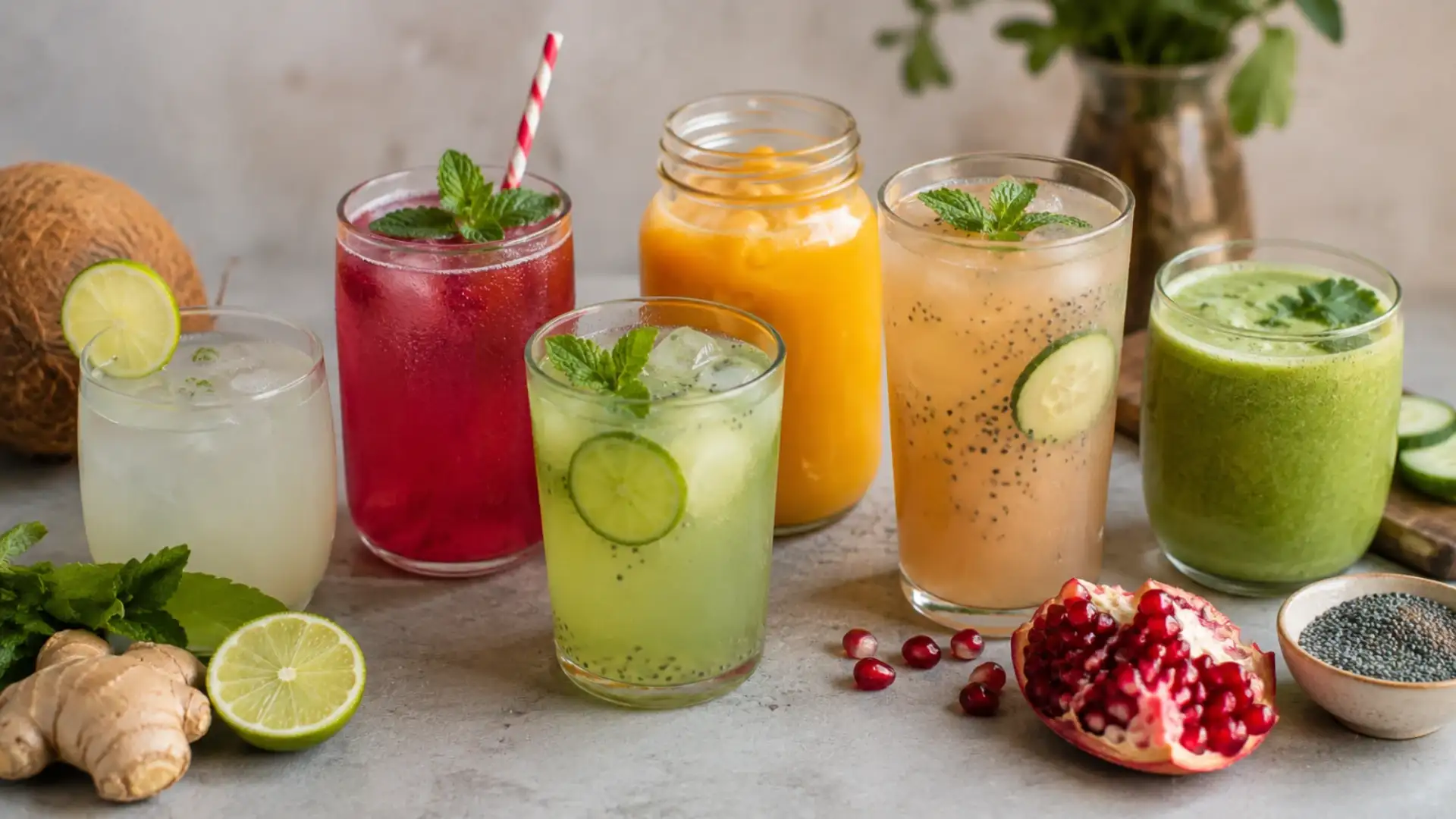
However, the word "functional" should not automatically be treated as a guarantee of better health. Products vary widely, and claims should be considered alongside their sugar, caffeine and overall nutritional content.
Functional drinks appeal to consumers who want alternatives that still offer flavour and convenience.
This is particularly relevant in countries where heat and humidity can make hydration a daily concern.
The attraction is partly practical. People increasingly want beverages that can be connected with a particular occasion, such as morning focus, post-workout hydration or an afternoon energy boost.
Reading the label remains more useful than relying on words such as "natural", "wellness" or "functional".
The most successful products may ultimately be those that balance usefulness with taste. A drink can promise vitamins, electrolytes or probiotics, but if consumers do not enjoy drinking it, the trend will not last.
What Makes a Drink Functional?
A functional drink generally contains ingredients intended to provide a benefit beyond basic hydration or calories. These can include electrolytes, probiotics, protein, fibre, vitamins, minerals or plant compounds.However, the word "functional" should not automatically be treated as a guarantee of better health. Products vary widely, and claims should be considered alongside their sugar, caffeine and overall nutritional content.
The Sugar Question
One major reason for the shift is growing awareness of added sugar. A fizzy drink may taste refreshing, but regular consumption of heavily sweetened beverages can add substantial amounts of sugar to the diet.Functional drinks appeal to consumers who want alternatives that still offer flavour and convenience.
You may also like
- This small mistake by children could lead to serious trouble; learn about safety before latching the room door..
- Why are children more interested in boxes, spoons, and remote controls than in toys? There is a reason behind this..
- We have both matured over time: Dev & Subhashree
- Newlywed woman takes off her dupatta to save biker trapped in Himachal flash flood; dramatic rescue by a family caught in camera; video viral
- 8th CPC Salary Calculator: Grade Pay ₹1,800 to ₹2,800… What will the salary of central government employees be? Check the calculation structure.
Hydration Has Become More Sophisticated
Electrolyte drinks were once strongly associated with athletes. Now, electrolyte powders and beverages are marketed towards commuters, travellers and people recovering from hot weather or exercise.This is particularly relevant in countries where heat and humidity can make hydration a daily concern.
Gut Health Is Influencing Drinks
Probiotic drinks, kefir-based beverages and kombucha have benefited from the growing interest in digestive health. Fermented beverages have moved from niche health-food products into mainstream food culture. The broader gut-health market continues to influence product development.Energy Without the Traditional Soft Drink
Coffee remains dominant, but consumers looking for alternatives are turning towards green tea, matcha and drinks containing moderate amounts of caffeine.The attraction is partly practical. People increasingly want beverages that can be connected with a particular occasion, such as morning focus, post-workout hydration or an afternoon energy boost.
Are Functional Drinks Always Better?
Not necessarily. Some products contain high levels of sugar, caffeine or unnecessary additives despite their healthy-looking packaging.Reading the label remains more useful than relying on words such as "natural", "wellness" or "functional".
Why the Trend Matters
Functional drinks represent a larger change in consumer behaviour. People are increasingly viewing food and drink as part of everyday self-care.The most successful products may ultimately be those that balance usefulness with taste. A drink can promise vitamins, electrolytes or probiotics, but if consumers do not enjoy drinking it, the trend will not last.






Loving Newspoint? Download the app now
