
Why Guava Deserves a Place in Your Everyday Fruit Bowl

Guava is a fragrant tropical fruit with crisp flesh and a sweet-tart flavour. It is easy to eat fresh, takes little effort and works well at breakfast, as a snack or alongside other fruit. Its availability in markets makes it a sensible choice for adding variety to everyday meals.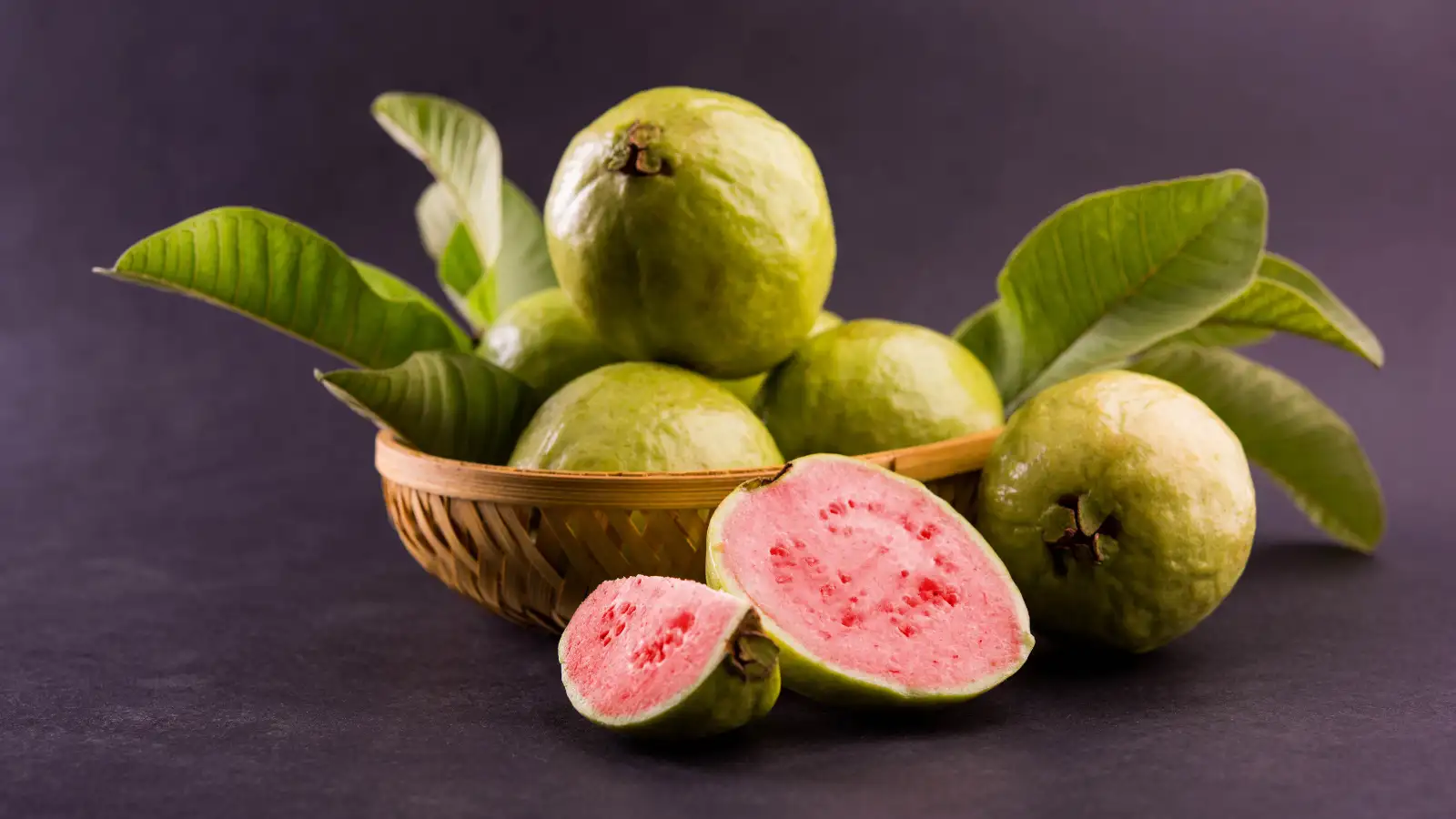
The fruit is known for its vitamin C and dietary fibre . These nutrients support normal body functions, although no single food guarantees good health. Adding guava to a varied diet brings colour, texture and nourishment to the table. It can be enjoyed simply, at home without special preparation or expensive ingredients.
Fibre is found in the flesh and skin, so wash the fruit under running water before cutting or eating it. If the seeds feel uncomfortable to chew, choose a softer variety or remove some of them. People with a sensitive digestive system can start with a modest portion and see how they feel.
Whole fruit is generally a more filling choice than juice because it retains its fibre. If buying packaged guava drinks, check the label for added sugar. Fresh fruit can be a convenient snack, but it does not replace a balanced meal.
Wash guava before preparation, use a clean knife and refrigerate cut pieces in a covered container. Enjoy it alongside vegetables, pulses, wholegrains and other fruits rather than expecting guava benefits to come from one food alone. Small, repeatable choices are usually easier to sustain than strict food rules.
The fruit is known for its vitamin C and dietary fibre . These nutrients support normal body functions, although no single food guarantees good health. Adding guava to a varied diet brings colour, texture and nourishment to the table. It can be enjoyed simply, at home without special preparation or expensive ingredients.
What makes guava a useful choice?
Guava contains vitamin C, which helps the body make collagen and supports normal immune function. It also provides dietary fibre, which contributes to regular bowel movements and helps meals feel more satisfying. The exact nutrient content varies with size and variety, so there is no need to treat one fruit as a nutritional shortcut. Its value comes from being part of a varied eating pattern.You may also like
- “In Indian families, parents won't go for medical tests because…”: Ekta Kapoor on the mindset of many Indian parents and her father Jeetendra's money lesson
- 'My son': Indian pilot Smit Machchhar recalls the thought that kept him fighting during the terrifying mid-air attack
- When his mother fell seriously ill, Bihar's Monu Meturbala prayed for her recovery and made a promise to Lord Shiva; today, the 19-year-old is running thousands of kilometres to visit 12 Jyotirlingas
- 10 Amazing Benefits of Reetha for Hair
- 5 Daily Habits To Help You Prevent Hair Loss
Fibre is found in the flesh and skin, so wash the fruit under running water before cutting or eating it. If the seeds feel uncomfortable to chew, choose a softer variety or remove some of them. People with a sensitive digestive system can start with a modest portion and see how they feel.
Easy ways to eat it
Slice guava and serve it with plain yoghurt, add cubes to a fruit bowl , or pair it with oats for breakfast. A squeeze of lime can brighten the flavour, while a small pinch of spice may suit those who enjoy a savoury edge. Keep additions modest if you want the fruit's natural taste to stand out.Whole fruit is generally a more filling choice than juice because it retains its fibre. If buying packaged guava drinks, check the label for added sugar. Fresh fruit can be a convenient snack, but it does not replace a balanced meal.
Choosing and storing guava
Look for fruit that feels firm but gives slightly when gently pressed, with no deep bruises or damp patches. Ripeness and colour differ by variety, so smell and texture can be more useful than skin colour alone. Let firm guavas ripen at room temperature, then refrigerate ripe fruit if you are not eating it soon.Wash guava before preparation, use a clean knife and refrigerate cut pieces in a covered container. Enjoy it alongside vegetables, pulses, wholegrains and other fruits rather than expecting guava benefits to come from one food alone. Small, repeatable choices are usually easier to sustain than strict food rules.






Loving Newspoint? Download the app now
