
What Makes Homemade Curd Turn Sour So Quickly?

Homemade curd is one of the simplest things to prepare in an Indian kitchen. Warm milk, a little starter curd and a few hours are usually enough to turn it into a fresh, creamy bowl of dahi.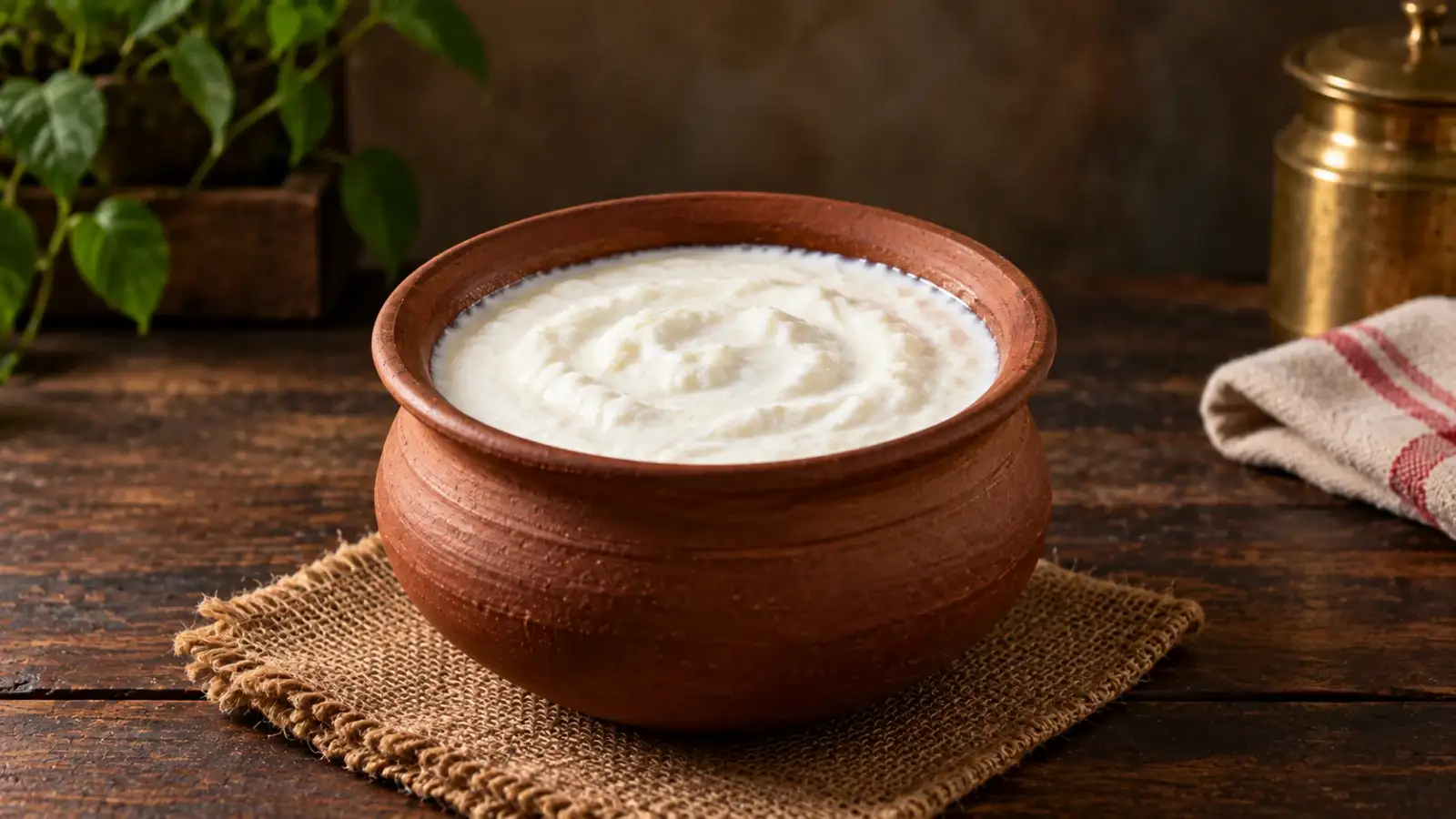
Yet sometimes the result is noticeably more sour than expected. You may prepare it exactly as usual, only to find that the curd tastes sharp the next morning.
The good news is that sourness is usually linked to the fermentation process. Understanding what happens while the curd sets can help you control its taste and texture.
During fermentation, these bacteria produce lactic acid. As the amount of lactic acid increases, the curd develops a sharper, more sour taste.
This means that some sourness is completely normal. The longer the curd continues to ferment, the more noticeable that sourness can become.
Once the curd has set, fermentation does not necessarily stop immediately. If it remains in a warm kitchen for several more hours, the bacteria can continue producing acid.
This is especially noticeable during hot weather.
Once the curd has reached the consistency you like, placing it in the refrigerator can slow the fermentation process and help preserve a milder flavour.
In warm Indian kitchens, curd can set considerably faster than it does during cooler weather. If you use the same setting time throughout the year, you may find that your summer curd becomes sour much more quickly.
During hotter months, check the curd earlier rather than automatically leaving it overnight.
Using a very large amount of starter does not necessarily produce better curd. It can influence how quickly fermentation begins and may contribute to the curd setting sooner.
A small amount of fresh, mild curd is generally enough to start the process.
The quality of the starter also matters. If the starter itself is very sour, some of that flavour may be noticeable in the new batch.
On the other hand, milk that has cooled too much may take longer to set.
A useful approach is to allow freshly boiled milk to cool until it feels comfortably warm before mixing in the starter.
This can help create more predictable fermentation.
Full fat milk generally produces richer and creamier curd, while other types of milk may result in a lighter texture.
The natural composition of the milk can also influence how the finished curd tastes.
If your curd suddenly seems different despite following the same method, the milk itself may be one factor to consider.
A container that retains heat well can help the milk ferment faster, particularly in cooler weather.
In warm weather, however, keeping the curd in a very warm location for too long may cause it to become sour before you get a chance to refrigerate it.
Use fresh, mild starter curd and add only a small amount to warm milk. Keep the container in a suitable warm place and check it earlier during hot weather.
Once the curd has set, move it to the refrigerator.
The timing may need a little adjustment depending on the season and temperature of your kitchen.
If the curd has been stored properly and has no unusual smell, visible mould or other signs of spoilage, its stronger sourness can still be useful in cooking.
Sour curd can work well in kadhi, marinades, chaas, some types of dough and several traditional recipes where acidity is welcome.
If there are clear signs of spoilage, however, it is safer to discard it rather than trying to use it.
Once you understand that balance, making milder curd becomes much easier.
A small change in setting time, starter quantity or refrigeration can make a noticeable difference to the next batch.
Yet sometimes the result is noticeably more sour than expected. You may prepare it exactly as usual, only to find that the curd tastes sharp the next morning.
The good news is that sourness is usually linked to the fermentation process. Understanding what happens while the curd sets can help you control its taste and texture.
Fermentation Is the Main Reason
Curd becomes curd because beneficial bacteria ferment the lactose, which is the natural sugar present in milk.During fermentation, these bacteria produce lactic acid. As the amount of lactic acid increases, the curd develops a sharper, more sour taste.
This means that some sourness is completely normal. The longer the curd continues to ferment, the more noticeable that sourness can become.
Leaving It Out for Too Long Can Make It Sourer
One of the most common reasons for sour homemade curd is simply leaving it at a warm temperature for too long.Once the curd has set, fermentation does not necessarily stop immediately. If it remains in a warm kitchen for several more hours, the bacteria can continue producing acid.
This is especially noticeable during hot weather.
Once the curd has reached the consistency you like, placing it in the refrigerator can slow the fermentation process and help preserve a milder flavour.
Hot Weather Speeds Up Fermentation
Temperature has a major influence on how quickly milk ferments.In warm Indian kitchens, curd can set considerably faster than it does during cooler weather. If you use the same setting time throughout the year, you may find that your summer curd becomes sour much more quickly.
During hotter months, check the curd earlier rather than automatically leaving it overnight.
The Amount of Starter Matters
The starter curd provides the bacteria needed to begin fermentation.Using a very large amount of starter does not necessarily produce better curd. It can influence how quickly fermentation begins and may contribute to the curd setting sooner.
A small amount of fresh, mild curd is generally enough to start the process.
The quality of the starter also matters. If the starter itself is very sour, some of that flavour may be noticeable in the new batch.
Milk Temperature Can Affect the Result
Milk should be warm when you add the starter, but extremely hot milk can interfere with the bacteria needed for fermentation.On the other hand, milk that has cooled too much may take longer to set.
A useful approach is to allow freshly boiled milk to cool until it feels comfortably warm before mixing in the starter.
This can help create more predictable fermentation.
The Type of Milk Makes a Difference
Different types of milk can produce curd with different textures and flavours.Full fat milk generally produces richer and creamier curd, while other types of milk may result in a lighter texture.
The natural composition of the milk can also influence how the finished curd tastes.
If your curd suddenly seems different despite following the same method, the milk itself may be one factor to consider.
The Container Can Influence Setting
The container does not usually cause sourness by itself, but it can affect how quickly the curd sets and how warm it remains.A container that retains heat well can help the milk ferment faster, particularly in cooler weather.
In warm weather, however, keeping the curd in a very warm location for too long may cause it to become sour before you get a chance to refrigerate it.
How to Make Milder Homemade Curd
If you prefer curd with a mild taste, focus on controlling fermentation rather than trying to eliminate it.Use fresh, mild starter curd and add only a small amount to warm milk. Keep the container in a suitable warm place and check it earlier during hot weather.
Once the curd has set, move it to the refrigerator.
The timing may need a little adjustment depending on the season and temperature of your kitchen.
Can Sour Curd Still Be Used?
Yes. Sour curd does not automatically mean it has gone bad.If the curd has been stored properly and has no unusual smell, visible mould or other signs of spoilage, its stronger sourness can still be useful in cooking.
Sour curd can work well in kadhi, marinades, chaas, some types of dough and several traditional recipes where acidity is welcome.
If there are clear signs of spoilage, however, it is safer to discard it rather than trying to use it.
The Key Is Controlling Fermentation
Homemade curd is essentially a controlled fermentation process. The bacteria need warmth and time to turn milk into dahi, but too much time at a warm temperature can increase acidity.Once you understand that balance, making milder curd becomes much easier.
A small change in setting time, starter quantity or refrigeration can make a noticeable difference to the next batch.
Next Story