
Why Homemade Food Keeps You Fuller for Longer Than Restaurant Meals

Many people notice that eating a wholesome dish prepared in their own kitchen leaves them feeling comfortably satisfied for hours, whereas a heavy restaurant meal can leave them searching for snacks shortly after dining. One of the main reasons behind this difference comes down to ingredient choices and fibre content. When preparing homemade food, home cooks naturally use whole vegetables, unrefined grains, legumes, and lean proteins.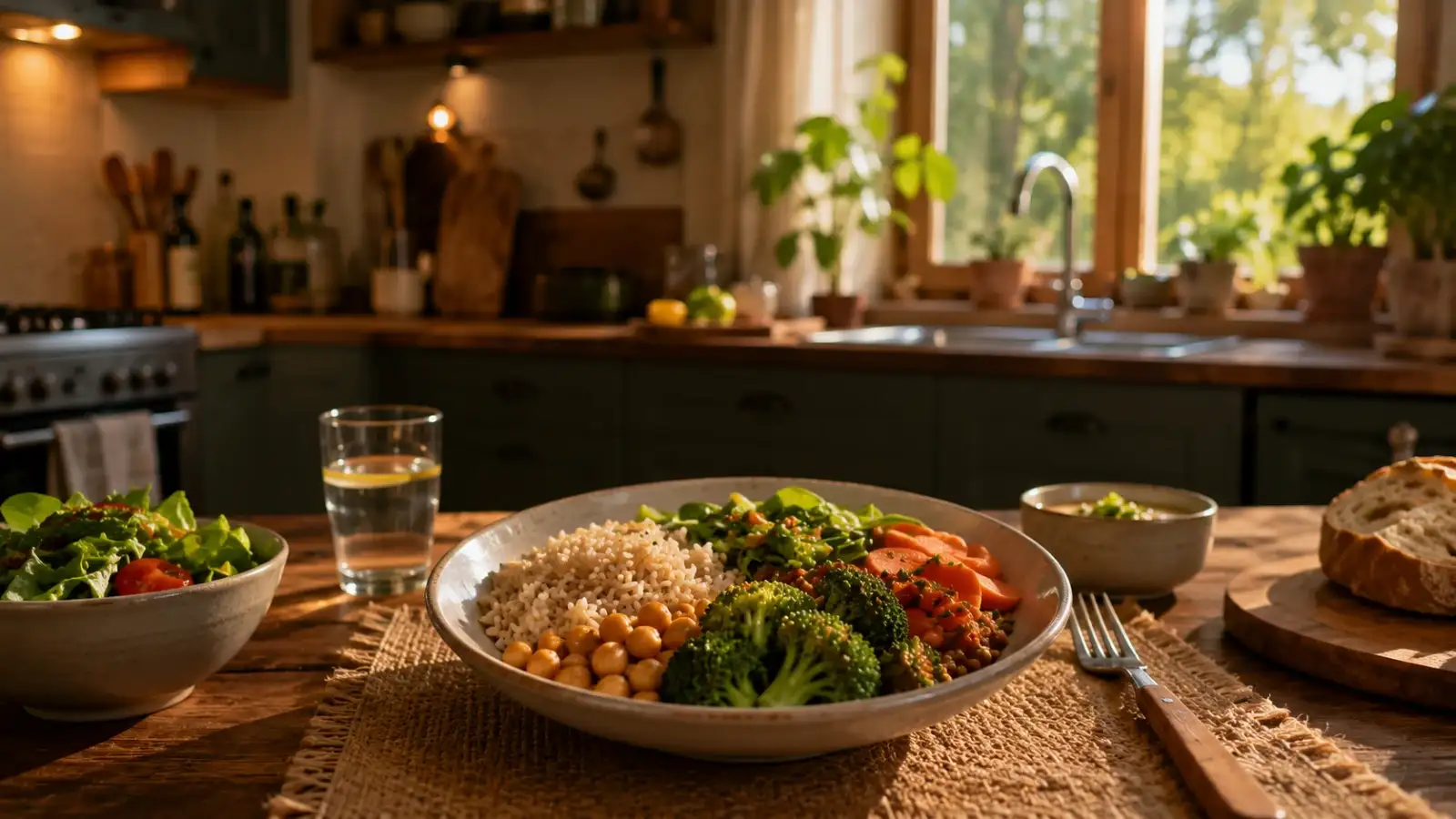
These fresh ingredients are packed with dietary fibre, which slows down the digestive process and physically expands in the stomach. Restaurant dishes, on the other hand, often rely on refined starches, stripped grains, and strained sauces to achieve ultra smooth textures and fast cooking times. Without natural fibre to slow down digestion, commercial meals pass through your system rapidly, triggering quicker hunger pangs.
Hidden Sugars and Hyper Palatable Ingredients
Professional kitchens design their menus to maximize taste, using heavy amounts of refined sugars, hidden syrups, and processed fats to enhance flavour. These high sugar additions create hyper palatable dishes that stimulate the pleasure centres of your brain, encouraging you to eat quickly without feeling truly full.
When you consume refined sugars and processed fats in restaurant food, your blood glucose levels spike sharply before dropping rapidly a short while later. This sudden blood sugar crash sends immediate signals to your brain that you need more fuel, creating artificial cravings despite having consumed a large number of calories. Cooking homemade food gives you full control over added sugars, resulting in stable blood sugar levels and long lasting fullness.
Slower Eating Speed and Mindful Meal Preparation
The physical process of preparing your own food plays a massive psychological role in appetite regulation and fullness. When you spend time chopping vegetables, seasoning ingredients, and smelling aromas over a hot stove, your body begins its cephalic phase of digestion.
Your brain receives early signals that a meal is coming, which triggers the release of digestive enzymes and satiety hormones before you even take your first bite. Furthermore, dining at home usually happens in a relaxed, familiar setting where you can eat at a comfortable pace. In contrast, busy restaurant environments, bright lights, and loud background noise often encourage fast eating, causing you to finish your plate before your brain has enough time to register fullness signals.
Volume versus Energy Density in Cooking
Another key factor explaining why homemade food feels more filling is the concept of energy density versus meal volume. Restaurant meals are typically very energy dense, packing high amounts of calories into small portions through heavy butter, cream, and cooking oils. While these ingredients make food taste rich, small physical portions do not stretch the stomach walls enough to trigger mechanical satiety sensors.
Homemade cooking generally has lower energy density but higher volume, meaning your plate is filled with water rich vegetables, wholesome starches, and bulky proteins. This higher physical volume gently stretches the stomach, releasing hormones that tell your brain you are completely satisfied.
The Emotional Connection to Home Cooking
Finally, the emotional satisfaction of sitting down to a meal you prepared yourself enhances your overall feeling of satiety. Nourishing your body with thoughtful, wholesome ingredients creates a sense of psychological comfort and completion.
When you eat restaurant food, the experience is often fast paced and focused on instant sensory rewards rather than sustained nourishment. Homemade meals satisfy both physical hunger and psychological needs, leaving you feeling balanced, nourished, and comfortably full throughout the day.
These fresh ingredients are packed with dietary fibre, which slows down the digestive process and physically expands in the stomach. Restaurant dishes, on the other hand, often rely on refined starches, stripped grains, and strained sauces to achieve ultra smooth textures and fast cooking times. Without natural fibre to slow down digestion, commercial meals pass through your system rapidly, triggering quicker hunger pangs.
Hidden Sugars and Hyper Palatable Ingredients
Professional kitchens design their menus to maximize taste, using heavy amounts of refined sugars, hidden syrups, and processed fats to enhance flavour. These high sugar additions create hyper palatable dishes that stimulate the pleasure centres of your brain, encouraging you to eat quickly without feeling truly full.
When you consume refined sugars and processed fats in restaurant food, your blood glucose levels spike sharply before dropping rapidly a short while later. This sudden blood sugar crash sends immediate signals to your brain that you need more fuel, creating artificial cravings despite having consumed a large number of calories. Cooking homemade food gives you full control over added sugars, resulting in stable blood sugar levels and long lasting fullness.
You may also like
- After years in corporate, a 35th-generation royal returns to his roots and is now reviving a 1929 palace and Kannauj's perfume heritage, giving employment to hundreds
- Sometimes, saying No is the most powerful form of equality
- New Section of Delhi-Mumbai Expressway Opens: Know the Entry, Exit, and Toll Rules
- Do fruits lose their nutrients when kept in the refrigerator? For how many days is it right to store them?
- What Happens to Your Body When You Quit Sugar for 30 Days, Key Health Changes and Benefits
Slower Eating Speed and Mindful Meal Preparation
The physical process of preparing your own food plays a massive psychological role in appetite regulation and fullness. When you spend time chopping vegetables, seasoning ingredients, and smelling aromas over a hot stove, your body begins its cephalic phase of digestion.
Your brain receives early signals that a meal is coming, which triggers the release of digestive enzymes and satiety hormones before you even take your first bite. Furthermore, dining at home usually happens in a relaxed, familiar setting where you can eat at a comfortable pace. In contrast, busy restaurant environments, bright lights, and loud background noise often encourage fast eating, causing you to finish your plate before your brain has enough time to register fullness signals.
Volume versus Energy Density in Cooking
Another key factor explaining why homemade food feels more filling is the concept of energy density versus meal volume. Restaurant meals are typically very energy dense, packing high amounts of calories into small portions through heavy butter, cream, and cooking oils. While these ingredients make food taste rich, small physical portions do not stretch the stomach walls enough to trigger mechanical satiety sensors.
Homemade cooking generally has lower energy density but higher volume, meaning your plate is filled with water rich vegetables, wholesome starches, and bulky proteins. This higher physical volume gently stretches the stomach, releasing hormones that tell your brain you are completely satisfied.
The Emotional Connection to Home Cooking
Finally, the emotional satisfaction of sitting down to a meal you prepared yourself enhances your overall feeling of satiety. Nourishing your body with thoughtful, wholesome ingredients creates a sense of psychological comfort and completion.
When you eat restaurant food, the experience is often fast paced and focused on instant sensory rewards rather than sustained nourishment. Homemade meals satisfy both physical hunger and psychological needs, leaving you feeling balanced, nourished, and comfortably full throughout the day.






Loving Newspoint? Download the app now
