
How to Make Soft and Fresh Paneer at Home Without a Rubbery Texture

Homemade paneer is known for its fresh taste, soft texture and versatility in Indian cooking. Whether you are preparing paneer bhurji, matar paneer or a simple paneer curry, the right texture can make a noticeable difference to the final dish. However, homemade paneer does not always turn out as expected. Sometimes, it becomes firm, chewy or rubbery instead of soft and delicate. This usually happens because of small mistakes during milk heating, curdling, draining or pressing. Understanding these steps can help you prepare soft homemade paneer that holds its shape without becoming tough.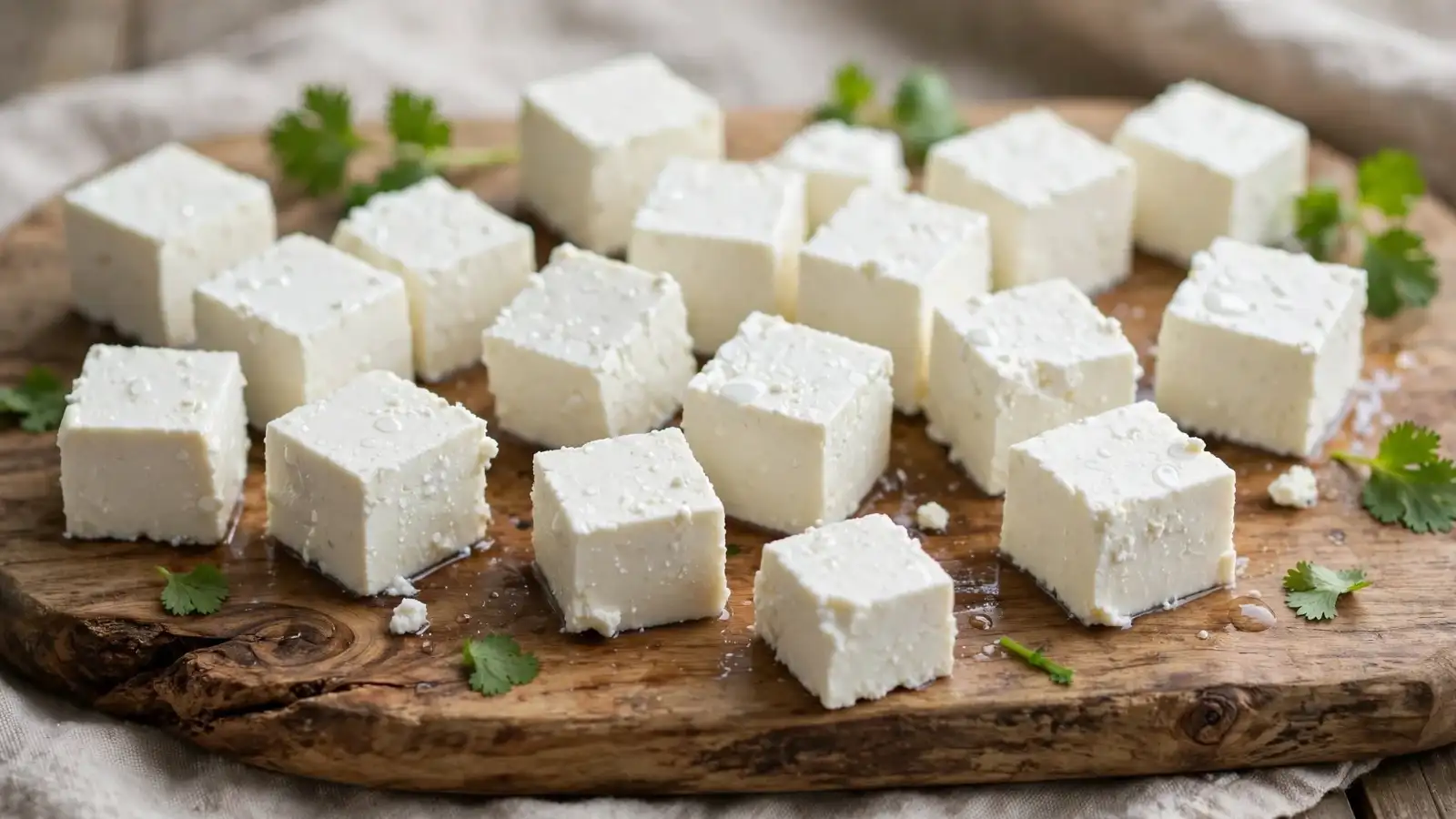
One common reason for rubbery paneer is excessive pressure during pressing. When too much weight is applied for too long, excess moisture is removed, leaving the paneer compact and firm. Overheating the milk or handling the curds roughly can also affect the final texture.
The type of milk matters, too. Full-fat milk generally produces richer paneer with a softer mouthfeel, although the result also depends on the milk's composition and how it is processed.
For homemade paneer, bring the milk to a boil while stirring occasionally to prevent it from sticking to the bottom of the pan. Once it reaches the boiling point, lower the heat before adding lemon juice or vinegar.
Avoid repeatedly boiling the milk after the curds have separated. Gentle handling helps preserve a better texture.
Add the chosen curdling agent gradually, stirring gently after each addition. Stop once the curds have separated and the whey looks relatively clear. The exact quantity depends on the milk and the strength of the acidic ingredient, so avoid following a fixed measurement without observing the curds.
If the milk has separated properly, there is usually no need to keep adding more acid.
After draining the curds, gather them in a clean muslin cloth and shape them gently. Place a light weight on top and allow the paneer to set until it holds together.
For soft paneer, avoid placing heavy objects on the cloth or leaving it under pressure for unnecessarily long periods. The ideal setting time depends on the quantity of curds and the firmness you want.
Let most of the whey drain naturally before shaping the curds. If you need to remove extra liquid, press gently rather than wringing the cloth tightly.
A little retained moisture helps homemade paneer stay tender. The goal is to remove enough whey for the paneer to hold together, not to make the curds completely dry.
Very low-fat milk may result in paneer that is less creamy or more prone to a firm texture. Some packaged milk varieties may also behave differently during curdling, depending on their processing.
For a reliable result, use fresh full-fat milk and follow a consistent method. If one brand repeatedly produces poor results, try another suitable variety and compare the texture.
Fresh paneer does not need extensive cooking to become safe to eat when made from properly heated milk. In most curries, add the cubes towards the end and allow them to warm through gently.
Avoid boiling paneer for an extended period in thick gravies. For dishes such as shahi paneer or paneer butter masala, a gentle simmer is usually enough to help the cubes absorb flavour without becoming excessively firm.
You can also crumble firm paneer for bhurji, where a softer block is not necessary. If the paneer smells unusual, feels slimy or shows signs of spoilage, discard it rather than attempting to soften it.
Rubbery homemade paneer is usually the result of excess pressure, rough handling, too much acid or prolonged cooking. Using fresh full-fat milk, adding the curdling agent gradually and pressing the curds gently can make a significant difference. Once you understand how milk behaves during each stage, preparing soft paneer at home becomes easier and more consistent. Small adjustments to your method can help you achieve paneer that holds its shape while remaining tender enough for curries, snacks and everyday vegetarian meals.
Why Does Homemade Paneer Become Rubbery?
Paneer gets its texture from the proteins in milk, which form curds when an acidic ingredient is added. The way these curds are handled determines whether the finished paneer remains soft or becomes dense.One common reason for rubbery paneer is excessive pressure during pressing. When too much weight is applied for too long, excess moisture is removed, leaving the paneer compact and firm. Overheating the milk or handling the curds roughly can also affect the final texture.
The type of milk matters, too. Full-fat milk generally produces richer paneer with a softer mouthfeel, although the result also depends on the milk's composition and how it is processed.
1. Heating the Milk Too Much
Milk needs to be heated properly before adding a curdling agent, but prolonged boiling or excessive heating can contribute to a firmer texture.For homemade paneer, bring the milk to a boil while stirring occasionally to prevent it from sticking to the bottom of the pan. Once it reaches the boiling point, lower the heat before adding lemon juice or vinegar.
Avoid repeatedly boiling the milk after the curds have separated. Gentle handling helps preserve a better texture.
2. Adding Too Much Lemon Juice or Vinegar
Lemon juice and vinegar are commonly used to separate milk into curds and whey. However, adding too much acid at once can make the process harder to control and may contribute to a less pleasant texture and flavour.Add the chosen curdling agent gradually, stirring gently after each addition. Stop once the curds have separated and the whey looks relatively clear. The exact quantity depends on the milk and the strength of the acidic ingredient, so avoid following a fixed measurement without observing the curds.
If the milk has separated properly, there is usually no need to keep adding more acid.
3. Pressing the Paneer for Too Long
Excessive pressing is one of the most common reasons homemade paneer becomes hard and rubbery. Pressing removes whey and helps the curds form a block, but too much pressure can squeeze out the moisture needed for a softer texture.After draining the curds, gather them in a clean muslin cloth and shape them gently. Place a light weight on top and allow the paneer to set until it holds together.
For soft paneer, avoid placing heavy objects on the cloth or leaving it under pressure for unnecessarily long periods. The ideal setting time depends on the quantity of curds and the firmness you want.
4. Squeezing Out All the Moisture
Draining the whey is necessary, but aggressively twisting or squeezing the cloth can make paneer dense.Let most of the whey drain naturally before shaping the curds. If you need to remove extra liquid, press gently rather than wringing the cloth tightly.
A little retained moisture helps homemade paneer stay tender. The goal is to remove enough whey for the paneer to hold together, not to make the curds completely dry.
5. Using the Wrong Type of Milk
Milk quality can influence both the quantity and texture of homemade paneer. Full-fat milk is generally a good choice because it tends to produce richer curds.Very low-fat milk may result in paneer that is less creamy or more prone to a firm texture. Some packaged milk varieties may also behave differently during curdling, depending on their processing.
For a reliable result, use fresh full-fat milk and follow a consistent method. If one brand repeatedly produces poor results, try another suitable variety and compare the texture.
6. Cooking Paneer for Too Long After Preparation
Even properly prepared paneer can become chewy when cooked for too long, particularly in a simmering curry.Fresh paneer does not need extensive cooking to become safe to eat when made from properly heated milk. In most curries, add the cubes towards the end and allow them to warm through gently.
Avoid boiling paneer for an extended period in thick gravies. For dishes such as shahi paneer or paneer butter masala, a gentle simmer is usually enough to help the cubes absorb flavour without becoming excessively firm.
How to Make Soft Homemade Paneer
Follow these simple steps for a better texture:- Heat fresh full-fat milk in a heavy-bottomed pan, stirring occasionally.
- Lower the heat once the milk boils.
- Add lemon juice or diluted vinegar gradually until the curds separate.
- Stop adding acid as soon as the separation is sufficient.
- Strain the curds through a clean muslin cloth.
- Rinse briefly with cool drinking water if needed to reduce the acidic taste.
- Allow the whey to drain naturally, then shape the curds gently.
- Apply light pressure until the paneer holds its shape.
- Place the finished block in cool water for a short time if you want to help it retain moisture, then refrigerate it in a clean, covered container.
Can You Fix Paneer That Has Already Turned Rubbery?
If the paneer is firm but otherwise fresh and safe to eat, you may be able to improve its texture slightly. Cut it into cubes and soak them in warm water for around 10 to 15 minutes. This can help some paneer pieces become more tender, although it will not completely reverse excessive pressing or changes caused by overheating.You can also crumble firm paneer for bhurji, where a softer block is not necessary. If the paneer smells unusual, feels slimy or shows signs of spoilage, discard it rather than attempting to soften it.
Rubbery homemade paneer is usually the result of excess pressure, rough handling, too much acid or prolonged cooking. Using fresh full-fat milk, adding the curdling agent gradually and pressing the curds gently can make a significant difference. Once you understand how milk behaves during each stage, preparing soft paneer at home becomes easier and more consistent. Small adjustments to your method can help you achieve paneer that holds its shape while remaining tender enough for curries, snacks and everyday vegetarian meals.
Next Story