High Humidity and Dim Light: Why Houseplants Behave Differently in Monsoon

If you share your living space with potted greenery, you have likely noticed a sudden seasonal shift in your home garden. As dark storm clouds roll across the sky and heavy rains begin to fall, your indoor tropicals, succulents, and trailing vines undergo a striking change. Some potted species burst into rapid, lush leaf production, while others suddenly drop their foliage, turn yellow, or stop growing entirely. It can feel thoroughly confusing when your usual plant care routine stops working overnight. Uncovering why houseplants behave differently in monsoon reveals how subtle environmental factors like atmospheric humidity, dim natural light, and slow soil evaporation completely reshape indoor botany.
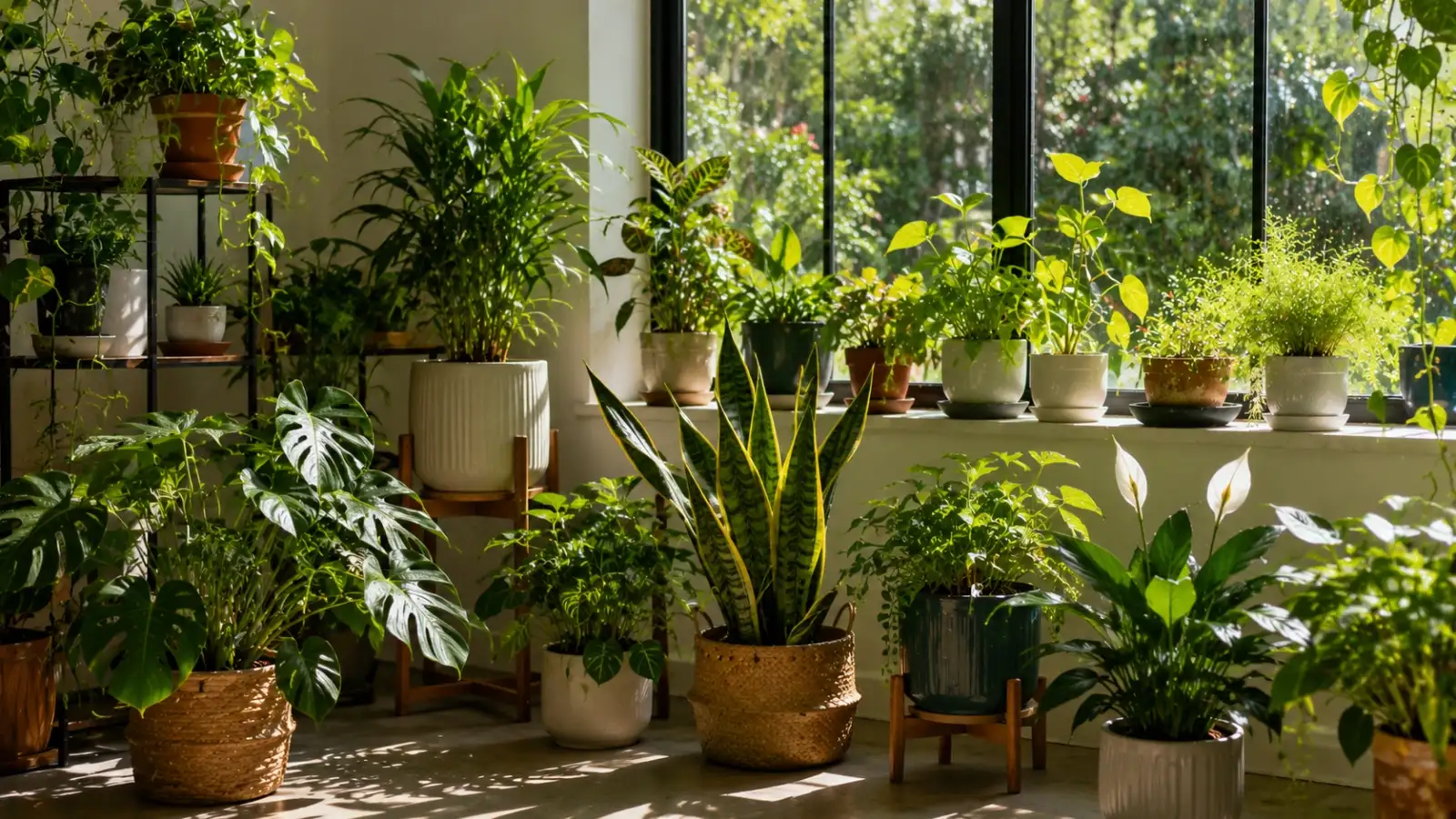
Skyrocketing ambient humidity and reduced soil evaporation
The primary catalyst altering plant behaviour during the rainy months is the massive spike in atmospheric humidity. Tropical houseplants originate from rainforest understories where moisture-rich air is the norm. When indoor humidity levels climb, plants open their stomata wider, taking in moisture directly from the surrounding air. However, this high atmospheric moisture drastically slows down the rate of transpiration, which is the process where plants draw water up through their roots and release it through their leaves. Because water is no longer evaporating quickly from the potting mix, soil stays wet for days or even weeks. Continuing your summer watering schedule during this humid period suffocates root systems, preventing oxygen flow and leading directly to mushy, yellowing leaves.Overcast skies and stretching toward distant window light
Another critical environmental factor during the rainy months is the sudden drop in natural sunlight. Continuous cloud cover and dark overcast days drastically reduce the ambient light intensity inside living rooms and bedrooms. Photosynthesis relies on bright light to convert water and carbon dioxide into energy. When light levels plunge, energy production slows down significantly. In response to dim conditions, many houseplants develop leggy, stretched stems with long gaps between leaves as they reach frantically toward distant windows. Other indoor plants simply enter a semi-dormant state, pausing new growth to conserve precious internal resources until bright sunshine returns.Fungal spores and the rise of wet soil pests
Warm, damp, and stagnant air creates an ideal environment for microscopic fungal spores and moisture-loving household pests. During rainy weather, damp soil surface layers frequently attract tiny flying fungus gnats, whose larvae feed on delicate root hair networks. Furthermore, reduced air circulation around crowded plant displays allows fungal diseases like powdery mildew, root rot, and leaf spot infections to spread rapidly from pot to pot. Leaves that remain wet after misting or rain splashes become easy targets for fungal spores, causing unsightly brown spots or white powdery patches to appear on vibrant foliage.Adapting your plant care routine for the wet season
To help your indoor greenery navigate these seasonal changes smoothly, simple adjustments to your daily care routine are essential. Always check soil moisture with your finger before picking up a watering can, ensuring the top two inches are thoroughly dry. Shift your potted plants closer to bright window sills to capture maximum indirect sunlight during cloudy afternoons. Additionally, elevate your pots using stands or pot feet to ensure drainage holes remain completely clear, allowing excess moisture to escape freely. Spacing out your containers improves airflow, while gently wiping dust off leaves keeps leaf pores open for optimal gas exchange.Celebrating the resilience of indoor nature
Ultimately, watching your green companions react to shifting seasonal weather offers a fascinating window into natural plant survival mechanisms. By tuning in to changing light levels and soil moisture dynamics, you can support your potted jungle through every heavy downpour, keeping your home vibrant, green, and thriving year round.Next Story