
The Fierce World Of Hummingbirds: Why They Guard Their Turf

Despite their small size, hummingbirds are some of the fiercest territorial birds in the natural world. These tiny birds, often weighing less than 5 grams, exhibit aggressive behaviour to defend feeding areas, mating spaces, and nesting territories. But why do hummingbirds guard their turf with such intensity?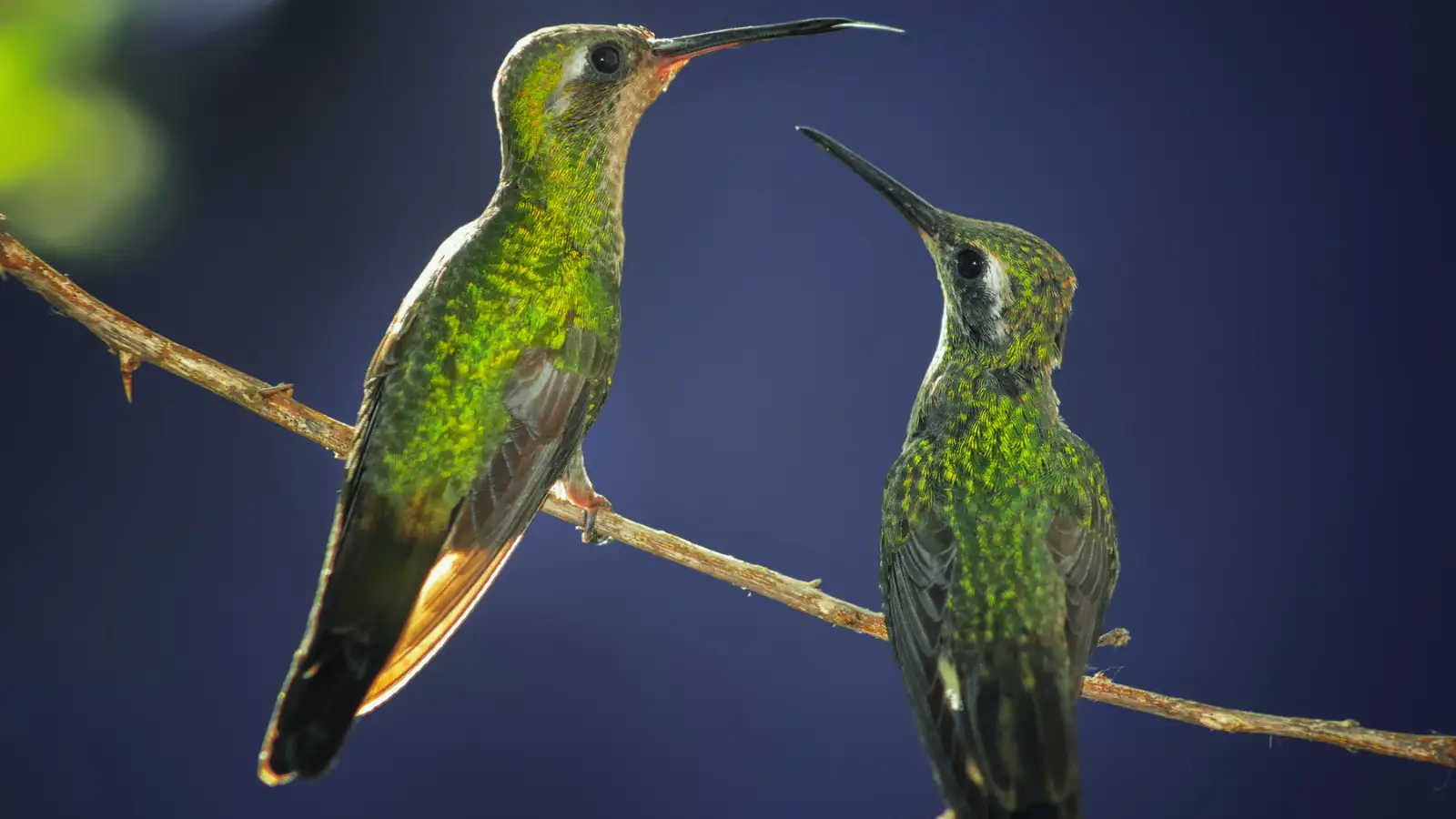
The answer lies in their energy needs. Hummingbirds consume vast amounts of nectar daily to fuel their high metabolism, sometimes visiting hundreds of flowers each day. This constant demand for energy-rich food makes it crucial for them to protect their feeding territories from rivals. A hummingbird’s survival often depends on having exclusive access to abundant nectar sources.
Territorial behaviour in hummingbirds is not random. Studies on hummingbird behaviour show that males often patrol and aggressively chase away intruders, using speed and agility to assert dominance. Females, while less aggressive, also defend nesting areas to ensure the safety of their offspring. This territorial instinct ensures that the birds can maximise feeding efficiency and reproductive success.
Interestingly, their small size does not limit their aggression. Hummingbirds have evolved remarkable reflexes and flight precision, allowing them to confront intruders many times their size. Their rapid wing beats, sharp dives, and fearless charges make them effective guardians of their resources.
The feisty behaviour of hummingbirds also serves another purpose: it establishes social hierarchies within habitats. By defending their territory, hummingbirds signal strength and vitality to potential mates and rivals, reinforcing their role in the ecosystem.
Hummingbirds may be tiny, but their territorial instincts are anything but small. Their fierce protection of feeding and nesting areas highlights the intricate link between energy needs, survival, and reproductive success. Understanding hummingbird behaviour not only reveals the intelligence behind their feistiness but also offers a glimpse into the delicate balance of wildlife ecosystems.
The answer lies in their energy needs. Hummingbirds consume vast amounts of nectar daily to fuel their high metabolism, sometimes visiting hundreds of flowers each day. This constant demand for energy-rich food makes it crucial for them to protect their feeding territories from rivals. A hummingbird’s survival often depends on having exclusive access to abundant nectar sources.
Territorial behaviour in hummingbirds is not random. Studies on hummingbird behaviour show that males often patrol and aggressively chase away intruders, using speed and agility to assert dominance. Females, while less aggressive, also defend nesting areas to ensure the safety of their offspring. This territorial instinct ensures that the birds can maximise feeding efficiency and reproductive success.
Interestingly, their small size does not limit their aggression. Hummingbirds have evolved remarkable reflexes and flight precision, allowing them to confront intruders many times their size. Their rapid wing beats, sharp dives, and fearless charges make them effective guardians of their resources.
The feisty behaviour of hummingbirds also serves another purpose: it establishes social hierarchies within habitats. By defending their territory, hummingbirds signal strength and vitality to potential mates and rivals, reinforcing their role in the ecosystem.
Hummingbirds may be tiny, but their territorial instincts are anything but small. Their fierce protection of feeding and nesting areas highlights the intricate link between energy needs, survival, and reproductive success. Understanding hummingbird behaviour not only reveals the intelligence behind their feistiness but also offers a glimpse into the delicate balance of wildlife ecosystems.
Next Story