
Why Indian Millennials Are Bringing Back Board Games, Carrom And Ludo Nights

There was a time when a carrom board in the living room needed no special occasion. Someone would challenge someone else to a game of Ludo, cousins would argue over rules, and a supposedly quick match could easily turn into an entire evening. Then came smartphones, streaming platforms, food delivery and a seemingly endless list of things to do online. Now, some of those old-school games are finding their way back into adult lives. For Indian millennials who grew up playing carrom, Ludo, Snakes and Ladders and board games with family and friends, these activities are becoming more than childhood memories. They are increasingly becoming a simple way to spend time together.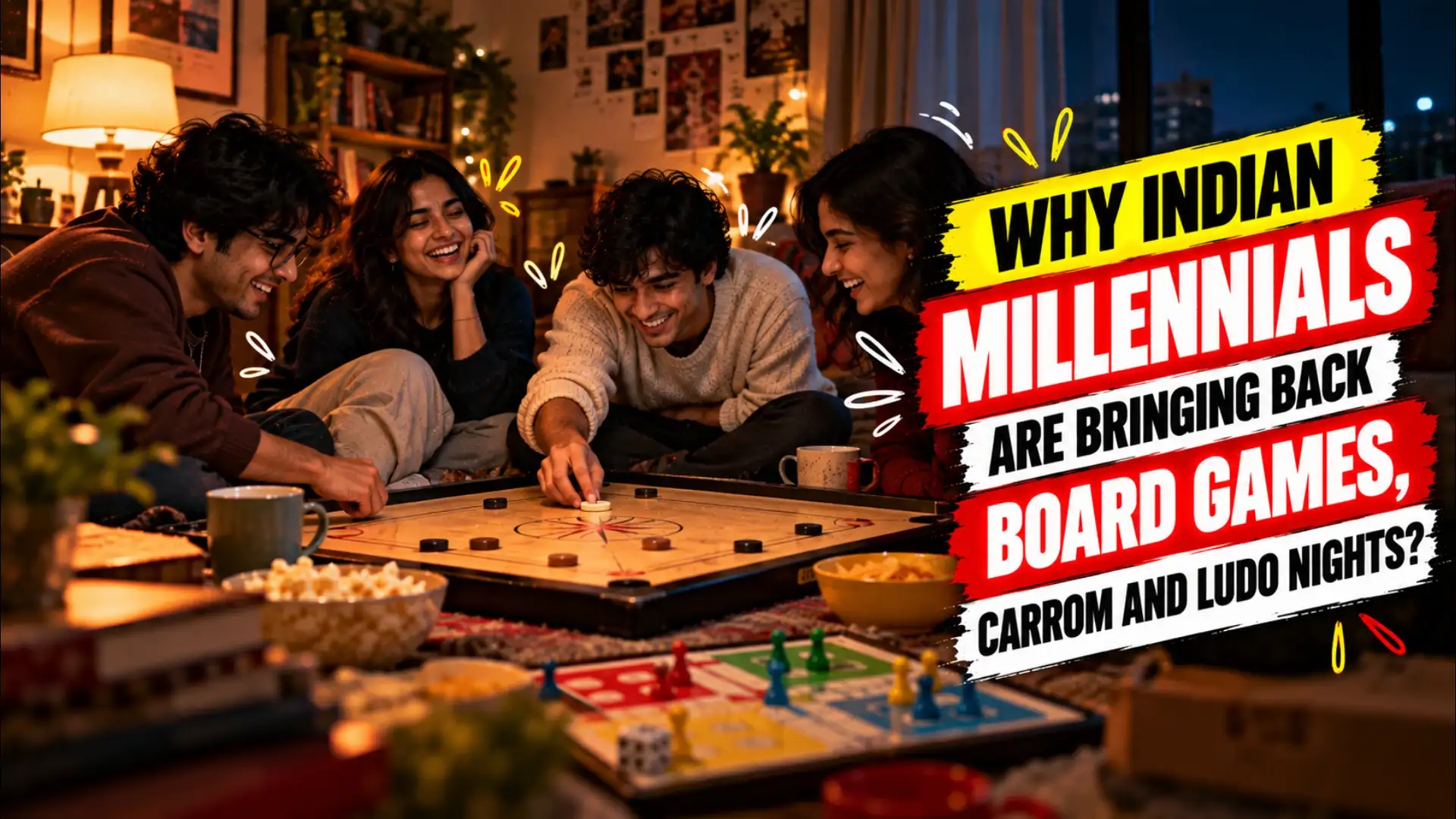
That familiarity can make the experience feel comforting. As adults, we also tend to have fewer opportunities for completely unstructured fun. A game that once felt ordinary can suddenly feel special simply because it reminds you of a time when entertainment did not require a screen.
A carrom board changes the dynamic. You have to sit across from people. You have to talk, react, laugh and actually pay attention to what is happening around you. There is no algorithm deciding what you should watch next. The entertainment comes from the people playing.
That matters when adult socialising can sometimes feel like a project in itself. Everyone has different schedules, budgets and responsibilities. A casual evening at someone's home can offer the feeling of going out without the cost or effort of actually going out.
Even a simple game of Ludo can create arguments over lucky rolls, dramatic celebrations and accusations of unfair play. Carrom can become equally competitive within minutes. The point is not necessarily who wins. The game gives everyone something to react to, which makes conversation happen naturally rather than forcing people to sit around trying to think of something to talk about.
The appeal of old-school games is that they offer something digital entertainment sometimes cannot: shared physical space and uncomplicated interaction. Perhaps that is why a dusty carrom board or an old Ludo set can suddenly feel surprisingly relevant again.
After years of having endless entertainment available at the tap of a screen, there is something refreshing about sitting around a table, arguing about a dice roll and realising that nobody has checked their phone for the last 20 minutes.
Nostalgia Makes Old Games Feel New Again
Part of the appeal is obvious: nostalgia. Playing a familiar game can bring back memories of school holidays, family gatherings and evenings spent with cousins. The rules are already familiar, so there is no learning curve or complicated setup.That familiarity can make the experience feel comforting. As adults, we also tend to have fewer opportunities for completely unstructured fun. A game that once felt ordinary can suddenly feel special simply because it reminds you of a time when entertainment did not require a screen.
We Are Tired Of Being Connected All The Time
Another reason these games can feel appealing is the amount of time people now spend looking at screens. Between work laptops, smartphones, social media and streaming services, much of modern entertainment still involves another screen. Even when people meet friends, it is not unusual for phones to remain within reach.A carrom board changes the dynamic. You have to sit across from people. You have to talk, react, laugh and actually pay attention to what is happening around you. There is no algorithm deciding what you should watch next. The entertainment comes from the people playing.
You Do Not Need A Big Plan
There is also something wonderfully low-effort about a game night. You do not necessarily need restaurant reservations, expensive tickets or a carefully planned itinerary. A few friends, some snacks and a board game can be enough.That matters when adult socialising can sometimes feel like a project in itself. Everyone has different schedules, budgets and responsibilities. A casual evening at someone's home can offer the feeling of going out without the cost or effort of actually going out.
Games Are More Fun When Everyone Is Playing
There is another difference between playing a game and simply watching something together. A film can be watched while people occasionally check their phones. A board game requires participation.Even a simple game of Ludo can create arguments over lucky rolls, dramatic celebrations and accusations of unfair play. Carrom can become equally competitive within minutes. The point is not necessarily who wins. The game gives everyone something to react to, which makes conversation happen naturally rather than forcing people to sit around trying to think of something to talk about.
It Is Not Really About Going Backwards
The return of these games does not mean millennials have suddenly rejected modern entertainment. They are still streaming shows, ordering food, playing digital games and spending plenty of time online.The appeal of old-school games is that they offer something digital entertainment sometimes cannot: shared physical space and uncomplicated interaction. Perhaps that is why a dusty carrom board or an old Ludo set can suddenly feel surprisingly relevant again.
After years of having endless entertainment available at the tap of a screen, there is something refreshing about sitting around a table, arguing about a dice roll and realising that nobody has checked their phone for the last 20 minutes.
Next Story