
Why Is Kamadhenu Considered the Mother of All Cows in Hindu Mythology?


Kamadhenu is a divine cow in Hindu mythology who is believed to fulfil the wishes of those who approach her with devotion. Her name comes from two Sanskrit words: Kama, meaning desire, and Dhenu, meaning cow. Together, the name is commonly understood as the cow that fulfils desires.
Who Is Kamadhenu in Hindu Mythology?
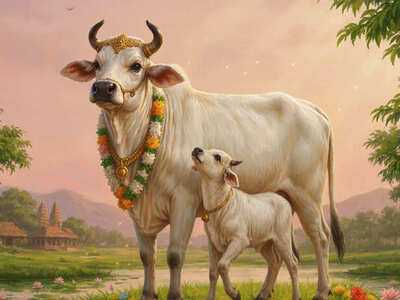 Kamadhenu is revered in Hindu mythology as a divine cow associated with nourishment, prosperity and the fulfilment of wishes.
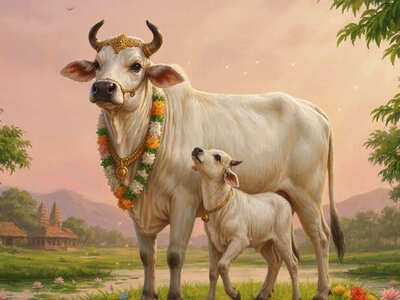 She is also known as Surabhi and is associated with nourishment, abundance and divine generosity.Unlike ordinary cattle, Kamadhenu is described in traditional accounts as possessing extraordinary powers. She could provide food, wealth and other necessities, making her an important symbol of prosperity.In many devotional depictions, she appears as a white cow with a gentle expression. Some traditional representations show divine figures or symbolic elements associated with different deities on her body.
How Was Kamadhenu Born?There are different accounts of Kamadhenu's origin in Hindu mythology.One well-known tradition connects her with the Samudra Manthan, or the churning of the cosmic ocean.According to this story, the Devas and Asuras joined forces to churn the ocean to obtain Amrit, the nectar of immortality. During the process, several extraordinary beings and treasures emerged from the ocean.Kamadhenu is associated with the divine treasures that appeared during this cosmic event in some traditional accounts.However, not every scripture describes her origin in the same way. Some accounts connect Surabhi with the sage Daksha, while others associate her with Brahma or the creation of divine cattle.These different traditions reflect how Kamadhenu's importance developed across Hindu religious literature.
Why Is Kamadhenu Called the Mother of All Cows?Kamadhenu is called the mother of cows because she represents the divine source of nourishment and the origin of sacred cattle in several Hindu traditions.
She is also associated with the production of milk, which has traditionally been an important part of household life, agriculture and religious rituals.In Hindu culture, cows are respected for their contribution to human life. Milk and other dairy products are used in food and worship, while cattle have historically supported farming communities.Kamadhenu represents these qualities on a divine level. Her motherhood is therefore connected not only with the birth of cattle but also with the idea of nourishment, care and abundance.
What Is the Story of Kamadhenu and Sage Vashistha?One of the most famous stories associated with Kamadhenu appears in the Ramayana and other Hindu traditions.Sage Vashistha possessed a divine cow known in many versions as Nandini, who is often described as the daughter or descendant of Kamadhenu.Nandini had the extraordinary ability to provide whatever was needed. She could produce food and resources for guests and visitors at the sage's hermitage.
One day, King Vishwamitra visited Vashistha's ashram with his army. The sage welcomed the king and his soldiers with a grand feast.Vishwamitra was surprised by the abundance of food and asked how a forest hermitage could provide such hospitality. Vashistha explained that Nandini had made it possible.Impressed by her powers, the king wanted to take the divine cow for himself. He offered wealth and valuable possessions in exchange, but Vashistha refused.The king then tried to take Nandini by force. However, the divine cow produced powerful warriors who challenged Vishwamitra's army.Unable to overcome the sage's spiritual power, Vishwamitra eventually realised that spiritual strength was greater than royal power.This experience became an important turning point in his life. He gave up his desire for worldly supremacy and began pursuing spiritual greatness, eventually becoming a revered sage.The story is often remembered as a lesson about the limits of material power and the importance of spiritual discipline.
What Is the Connection Between Kamadhenu and Lord Krishna?Kamadhenu and Lord Krishna are connected through the importance of cows in Hindu devotional traditions.Krishna spent his childhood in Gokul and Vrindavan among cowherds and cattle. He is lovingly known as Gopala, meaning the protector of cows, and Govinda.Some devotional traditions also connect Krishna with Surabhi. In the Brahma Vaivarta Purana, a story describes Surabhi emerging from Krishna during a divine episode and becoming associated with the nourishment of the world.
This connection further strengthens the importance of cows in Krishna worship.It also explains why cow worship and festivals associated with Krishna, including Gopashtami and Govardhan Puja, hold a special place in many Hindu communities.
Why Is Kamadhenu Worshipped in Hindu Traditions?
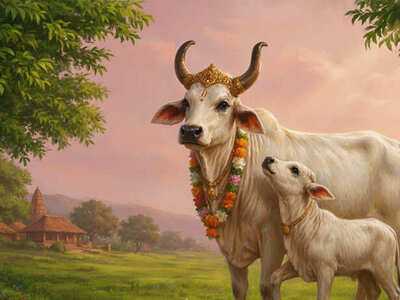 Kamadhenu symbolises abundance, nourishment, motherhood, generosity and prosperity in Hindu mythology.
Kamadhenu is worshipped as a symbol of generosity, prosperity, nourishment and motherhood.Her stories carry several spiritual meanings:
Why Does Kamadhenu Remain Important Today?Kamadhenu's importance goes beyond the idea of a wish-fulfilling divine cow. Her stories reflect the value traditionally placed on animals, nourishment and the relationship between humans and nature.Her association with Sage Vashistha also teaches that wealth and power cannot replace wisdom and spiritual discipline.For devotees, Kamadhenu represents the belief that life is sustained through generosity, care and the blessings of nature.That is why she continues to be remembered as the divine mother of cows in Hindu mythology.
Unlock insightful tips and inspiration on personal growth, productivity, and well-being. Stay motivated and updated with the latest at My Life XP.
Who Is Kamadhenu in Hindu Mythology?
How Was Kamadhenu Born?There are different accounts of Kamadhenu's origin in Hindu mythology.One well-known tradition connects her with the Samudra Manthan, or the churning of the cosmic ocean.According to this story, the Devas and Asuras joined forces to churn the ocean to obtain Amrit, the nectar of immortality. During the process, several extraordinary beings and treasures emerged from the ocean.Kamadhenu is associated with the divine treasures that appeared during this cosmic event in some traditional accounts.However, not every scripture describes her origin in the same way. Some accounts connect Surabhi with the sage Daksha, while others associate her with Brahma or the creation of divine cattle.These different traditions reflect how Kamadhenu's importance developed across Hindu religious literature.
Why Is Kamadhenu Called the Mother of All Cows?Kamadhenu is called the mother of cows because she represents the divine source of nourishment and the origin of sacred cattle in several Hindu traditions.
She is also associated with the production of milk, which has traditionally been an important part of household life, agriculture and religious rituals.In Hindu culture, cows are respected for their contribution to human life. Milk and other dairy products are used in food and worship, while cattle have historically supported farming communities.Kamadhenu represents these qualities on a divine level. Her motherhood is therefore connected not only with the birth of cattle but also with the idea of nourishment, care and abundance.
What Is the Story of Kamadhenu and Sage Vashistha?One of the most famous stories associated with Kamadhenu appears in the Ramayana and other Hindu traditions.Sage Vashistha possessed a divine cow known in many versions as Nandini, who is often described as the daughter or descendant of Kamadhenu.Nandini had the extraordinary ability to provide whatever was needed. She could produce food and resources for guests and visitors at the sage's hermitage.
One day, King Vishwamitra visited Vashistha's ashram with his army. The sage welcomed the king and his soldiers with a grand feast.Vishwamitra was surprised by the abundance of food and asked how a forest hermitage could provide such hospitality. Vashistha explained that Nandini had made it possible.Impressed by her powers, the king wanted to take the divine cow for himself. He offered wealth and valuable possessions in exchange, but Vashistha refused.The king then tried to take Nandini by force. However, the divine cow produced powerful warriors who challenged Vishwamitra's army.Unable to overcome the sage's spiritual power, Vishwamitra eventually realised that spiritual strength was greater than royal power.This experience became an important turning point in his life. He gave up his desire for worldly supremacy and began pursuing spiritual greatness, eventually becoming a revered sage.The story is often remembered as a lesson about the limits of material power and the importance of spiritual discipline.
What Is the Connection Between Kamadhenu and Lord Krishna?Kamadhenu and Lord Krishna are connected through the importance of cows in Hindu devotional traditions.Krishna spent his childhood in Gokul and Vrindavan among cowherds and cattle. He is lovingly known as Gopala, meaning the protector of cows, and Govinda.Some devotional traditions also connect Krishna with Surabhi. In the Brahma Vaivarta Purana, a story describes Surabhi emerging from Krishna during a divine episode and becoming associated with the nourishment of the world.
This connection further strengthens the importance of cows in Krishna worship.It also explains why cow worship and festivals associated with Krishna, including Gopashtami and Govardhan Puja, hold a special place in many Hindu communities.
Why Is Kamadhenu Worshipped in Hindu Traditions?
- Symbol of abundance: Kamadhenu represents the idea that nature provides the resources needed to sustain life.
- Symbol of motherhood: Her association with nourishment makes her a representation of care and unconditional giving.
- Symbol of prosperity: As a wish-fulfilling cow, she represents well-being and the fulfilment of needs.
- Symbol of devotion: Her association with sages and sacred rituals connects her with spiritual life.
Why Does Kamadhenu Remain Important Today?Kamadhenu's importance goes beyond the idea of a wish-fulfilling divine cow. Her stories reflect the value traditionally placed on animals, nourishment and the relationship between humans and nature.Her association with Sage Vashistha also teaches that wealth and power cannot replace wisdom and spiritual discipline.For devotees, Kamadhenu represents the belief that life is sustained through generosity, care and the blessings of nature.That is why she continues to be remembered as the divine mother of cows in Hindu mythology.
Unlock insightful tips and inspiration on personal growth, productivity, and well-being. Stay motivated and updated with the latest at My Life XP.
Next Story