
Why Is Mahishasura Worshipped With Maa Durga? The Hidden Truth


Have you ever looked closely at a Maa Durga idol and wondered why Mahishasura, the demon she defeats, is still shown at her feet? The image seems to tell a simple story of good defeating evil, but its symbolism carries a deeper message about power, pride and the consequences of our actions. Mahishasura is not worshipped alongside Maa Durga in the same way she is. Instead, he remains an essential figure in the story of her victory. Some regional and folk traditions offer additional interpretations of his place near the Goddess, making this ancient story even more intriguing.

Why Is Mahishasura Under Maa Durga's Feet?
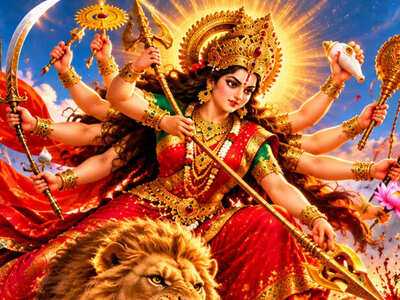 Maa Durga defeats Mahishasura in the iconic Mahishasuramardini form, celebrated during Navratri and Durga Puja.
The image of Maa Durga standing over Mahishasura is one of the most recognised scenes in Hindu mythology. According to the Devi Mahatmya, part of the Markandeya Purana, Mahishasura gained power, defeated the gods and took control of heaven. The gods united their divine energies to create Goddess Durga, who fought the demon and finally defeated him. This is why she is known as Mahishasuramardini, meaning the slayer of Mahishasura. The demon's position beneath her feet represents her victory and the restoration of order. His presence in the idol commemorates the battle rather than necessarily indicating that he receives worship.
The Boon That Made Him Powerful
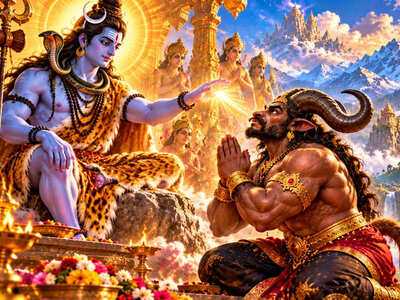 Mahishasura's boon gave him immense confidence, but his growing power eventually led to his downfall.
According to the traditional account, Mahishasura received a boon that made him difficult to defeat. Believing himself nearly invincible, he challenged the gods and seized their kingdom. His growing pride turned his strength into a source of destruction. The gods eventually sought help, leading to the manifestation of Maa Durga. Her victory carries a clear message: power without responsibility can become dangerous. Mahishasura's story is not simply about a powerful demon losing a battle. It also warns against the belief that strength, status or success makes someone answerable to no one.
Did Mahishasura Ask to Stay at Her Feet?A popular retelling suggests that Mahishasura realised Maa Bhadrakali would be the cause of his death, began worshipping her and asked to remain at her feet after his defeat. Some versions also describe a wish to be remembered whenever the Goddess is worshipped. It is a compelling story, but this specific boon and final wish should not be presented as an established episode of the Devi Mahatmya. The familiar scriptural account focuses on Mahishasura's battle with Durga and his death. Later regional and folk traditions may offer different explanations, so the source of a particular version matters.
What Does Mahishasura's Defeat Symbolise?The story of Mahishasura Mardini is widely understood as a victory of dharma over adharma, or righteousness over wrongdoing. Mahishasura's buffalo form is often associated in modern spiritual interpretations with stubbornness, uncontrolled impulses and ego. Maa Durga's victory can therefore be understood on two levels: the Goddess defeats a destructive force in the myth, while devotees reflect on the negative qualities they want to overcome in their own lives. This symbolic reading does not replace the traditional story. It offers a personal way to connect the message of Navratri with everyday choices and behaviour.
Why Is He Still Part of the Idol?The presence of Mahishasura in a Durga idol does not automatically mean that he is being worshipped. His figure is central to the narrative of Maa Durga's victory, just as an antagonist can be essential to understanding the hero's story. In many Durga Puja displays, the Goddess, her lion and Mahishasura appear together to recreate the decisive battle. The details vary by region and artistic tradition. The Indira Gandhi National Centre for the Arts documents the Mahishasuramardini image as a representation of Durga slaying the buffalo demon. This visual tradition keeps the story alive across generations.
What Can We Learn From Mahishasura?Mahishasura's story offers a lesson that reaches beyond the battlefield. Each person has habits that can become difficult to control, whether it is anger, jealousy, pride or the desire to always be right. These qualities do not make someone a demon, but they can harm relationships and cloud judgement when left unchecked. Maa Durga's victory encourages us to recognise such patterns and work to change them. Instead of blaming others for every problem, we can pause, examine our actions and take responsibility. In this sense, the battle between Durga and Mahishasura becomes a reminder of the inner work that personal growth requires.
The Deeper Meaning of Maa Durga's VictoryThe next time you see a Maa Durga idol, look beyond the dramatic battle scene. Remember the traditional story of a Goddess who defeated a powerful force threatening the gods, and consider the values her victory represents. Mahishasura's place in the image preserves the memory of that struggle; it does not, by itself, prove that he is worshipped alongside her. Although some popular retellings add a story about his final wish, that detail should be understood in its particular traditional context. The lasting message is clear: arrogance can be overcome, wrongdoing has consequences, and courage can restore balance.
Unlock insightful tips and inspiration on personal growth, productivity, and well-being. Stay motivated and updated with the latest at My Life XP
Why Is Mahishasura Under Maa Durga's Feet?
The image of Maa Durga standing over Mahishasura is one of the most recognised scenes in Hindu mythology. According to the Devi Mahatmya, part of the Markandeya Purana, Mahishasura gained power, defeated the gods and took control of heaven. The gods united their divine energies to create Goddess Durga, who fought the demon and finally defeated him. This is why she is known as Mahishasuramardini, meaning the slayer of Mahishasura. The demon's position beneath her feet represents her victory and the restoration of order. His presence in the idol commemorates the battle rather than necessarily indicating that he receives worship.
The Boon That Made Him Powerful
According to the traditional account, Mahishasura received a boon that made him difficult to defeat. Believing himself nearly invincible, he challenged the gods and seized their kingdom. His growing pride turned his strength into a source of destruction. The gods eventually sought help, leading to the manifestation of Maa Durga. Her victory carries a clear message: power without responsibility can become dangerous. Mahishasura's story is not simply about a powerful demon losing a battle. It also warns against the belief that strength, status or success makes someone answerable to no one.
Did Mahishasura Ask to Stay at Her Feet?A popular retelling suggests that Mahishasura realised Maa Bhadrakali would be the cause of his death, began worshipping her and asked to remain at her feet after his defeat. Some versions also describe a wish to be remembered whenever the Goddess is worshipped. It is a compelling story, but this specific boon and final wish should not be presented as an established episode of the Devi Mahatmya. The familiar scriptural account focuses on Mahishasura's battle with Durga and his death. Later regional and folk traditions may offer different explanations, so the source of a particular version matters.
What Does Mahishasura's Defeat Symbolise?The story of Mahishasura Mardini is widely understood as a victory of dharma over adharma, or righteousness over wrongdoing. Mahishasura's buffalo form is often associated in modern spiritual interpretations with stubbornness, uncontrolled impulses and ego. Maa Durga's victory can therefore be understood on two levels: the Goddess defeats a destructive force in the myth, while devotees reflect on the negative qualities they want to overcome in their own lives. This symbolic reading does not replace the traditional story. It offers a personal way to connect the message of Navratri with everyday choices and behaviour.
Why Is He Still Part of the Idol?The presence of Mahishasura in a Durga idol does not automatically mean that he is being worshipped. His figure is central to the narrative of Maa Durga's victory, just as an antagonist can be essential to understanding the hero's story. In many Durga Puja displays, the Goddess, her lion and Mahishasura appear together to recreate the decisive battle. The details vary by region and artistic tradition. The Indira Gandhi National Centre for the Arts documents the Mahishasuramardini image as a representation of Durga slaying the buffalo demon. This visual tradition keeps the story alive across generations.
What Can We Learn From Mahishasura?Mahishasura's story offers a lesson that reaches beyond the battlefield. Each person has habits that can become difficult to control, whether it is anger, jealousy, pride or the desire to always be right. These qualities do not make someone a demon, but they can harm relationships and cloud judgement when left unchecked. Maa Durga's victory encourages us to recognise such patterns and work to change them. Instead of blaming others for every problem, we can pause, examine our actions and take responsibility. In this sense, the battle between Durga and Mahishasura becomes a reminder of the inner work that personal growth requires.
The Deeper Meaning of Maa Durga's VictoryThe next time you see a Maa Durga idol, look beyond the dramatic battle scene. Remember the traditional story of a Goddess who defeated a powerful force threatening the gods, and consider the values her victory represents. Mahishasura's place in the image preserves the memory of that struggle; it does not, by itself, prove that he is worshipped alongside her. Although some popular retellings add a story about his final wish, that detail should be understood in its particular traditional context. The lasting message is clear: arrogance can be overcome, wrongdoing has consequences, and courage can restore balance.
Unlock insightful tips and inspiration on personal growth, productivity, and well-being. Stay motivated and updated with the latest at My Life XP
Next Story