
Why Is Sharad Purnima Kheer Left Under Moonlight?


Why do people stay awake on Sharad Purnima, prepare kheer and leave it under the moonlight? Behind these familiar rituals lie stories of Goddess Lakshmi, Lord Krishna and a night believed to be filled with divine blessings. Celebrated on the full moon night of the Hindu month of Ashwin, Sharad Purnima holds a special place in Hindu tradition. From the belief that Goddess Lakshmi visits homes to the legends of Krishna’s Raas Leela in Vrindavan, four fascinating beliefs explain why this night continues to inspire devotion and curiosity.

Why People Stay Awake for Goddess Lakshmi
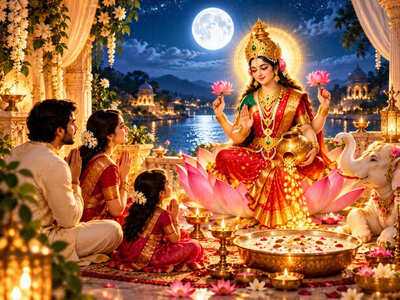 Devotees light lamps and offer prayers to Goddess Lakshmi, seeking prosperity and peace on Sharad Purnima.
One of the most popular beliefs associated with Sharad Purnima is that Goddess Lakshmi visits homes during the night. In some regional traditions, devotees stay awake, light lamps and pray for prosperity and happiness. This practice is linked to the observance of Kojagari Purnima, whose name is traditionally associated with the question, “Who is awake?” The belief encourages people to welcome the night with devotion and a peaceful mind. However, staying awake does not guarantee wealth. The ritual is a way for devotees to express faith and invite positivity into their homes.
Is Sharad Purnima Kheer Really Amrit?
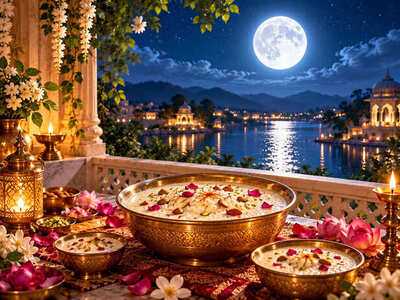 A bowl of freshly prepared kheer placed under the full moon is a cherished Sharad Purnima tradition.
Why do families prepare kheer and place it under the moonlight on Sharad Purnima? According to popular Hindu belief, the moon’s rays on this night possess special qualities, and the kheer is associated with amrit, or divine nectar. Families often leave the prepared dish outdoors for a period before sharing it as prasad. The ritual carries religious and cultural meaning, but there is no scientific evidence that moonlight turns kheer into nectar or gives it special healing powers. If you follow the tradition, keep the food covered with a clean, breathable cover to protect it from insects and dust.
The Mysterious Raas Leela of NidhivanVrindavan is deeply connected with the stories of Lord Krishna and Radha, and Nidhivan holds a special place in local devotional traditions. According to popular belief, Krishna returns to Nidhivan at night to perform the divine Raas Leela with Radha and the gopis. The place is surrounded by stories that have been passed down through generations, and visitors are expected to respect its religious customs. The claim that the Raas Leela takes place there every night belongs to devotional belief and has not been independently verified. For devotees, however, Nidhivan remains a powerful symbol of Krishna’s eternal connection with Radha.
Why Lord Shiva Took the Form of a GopiOne fascinating story in Krishna devotional traditions describes Lord Shiva’s desire to witness the Raas Leela. In popular accounts, Shiva takes the form of a gopi to enter the divine gathering and experience Krishna’s presence. This story is often connected with Gopeshwar Mahadev Temple in Vrindavan, where Shiva is worshipped in a form associated with the gopis. Versions of the story vary across traditions, so it should not be treated as a single, universally agreed account. Its central message is devotion: even Mahadev is portrayed as approaching Krishna with humility and a longing to experience divine love.
Why Sharad Purnima Holds Special MeaningSharad Purnima is more than a night associated with moonlight and sweets. It brings together different strands of Hindu tradition, including worship of Goddess Lakshmi, devotion to Krishna and the practice of sharing food as prasad. For many families, these customs offer a chance to pray together, express gratitude and spend time with loved ones. The full moon also gives the festival a distinctive atmosphere, making the evening feel different from an ordinary night. Although regional customs vary, the shared themes of devotion, gratitude and hope remain central to how many people celebrate.
How to Observe Sharad Purnima at HomeYou can observe Sharad Purnima with a few simple traditions. Clean your prayer space, light a diya safely and offer prayers to Goddess Lakshmi or Lord Krishna according to your family customs. Prepare kheer as an offering and, if you wish, place it under the moonlight while keeping it covered and protected from contamination. Spend a few quiet moments in prayer or read a story associated with the festival. You do not need elaborate arrangements to mark the occasion. Sincere devotion, gratitude and time with family can make the celebration meaningful.
The Real Message Behind These Four BeliefsThe stories of Lakshmi’s visit, moonlit kheer, Krishna’s Raas Leela and Shiva’s devotion continue to make Sharad Purnima fascinating for devotees. Each tradition offers a different way to connect with faith, whether through prayer, food, mythology or spiritual reflection. It is helpful to understand which elements are religious beliefs and which are supported by historical or scientific evidence. Rather than treating every popular story as a guaranteed promise of wealth or supernatural results, you can appreciate its cultural meaning and the values it encourages. That balance allows tradition and thoughtful understanding to exist together.
Unlock insightful tips and inspiration on personal growth, productivity, and well-being. Stay motivated and updated with the latest at My Life XP
Why People Stay Awake for Goddess Lakshmi
One of the most popular beliefs associated with Sharad Purnima is that Goddess Lakshmi visits homes during the night. In some regional traditions, devotees stay awake, light lamps and pray for prosperity and happiness. This practice is linked to the observance of Kojagari Purnima, whose name is traditionally associated with the question, “Who is awake?” The belief encourages people to welcome the night with devotion and a peaceful mind. However, staying awake does not guarantee wealth. The ritual is a way for devotees to express faith and invite positivity into their homes.
Is Sharad Purnima Kheer Really Amrit?
Why do families prepare kheer and place it under the moonlight on Sharad Purnima? According to popular Hindu belief, the moon’s rays on this night possess special qualities, and the kheer is associated with amrit, or divine nectar. Families often leave the prepared dish outdoors for a period before sharing it as prasad. The ritual carries religious and cultural meaning, but there is no scientific evidence that moonlight turns kheer into nectar or gives it special healing powers. If you follow the tradition, keep the food covered with a clean, breathable cover to protect it from insects and dust.
The Mysterious Raas Leela of NidhivanVrindavan is deeply connected with the stories of Lord Krishna and Radha, and Nidhivan holds a special place in local devotional traditions. According to popular belief, Krishna returns to Nidhivan at night to perform the divine Raas Leela with Radha and the gopis. The place is surrounded by stories that have been passed down through generations, and visitors are expected to respect its religious customs. The claim that the Raas Leela takes place there every night belongs to devotional belief and has not been independently verified. For devotees, however, Nidhivan remains a powerful symbol of Krishna’s eternal connection with Radha.
Why Lord Shiva Took the Form of a GopiOne fascinating story in Krishna devotional traditions describes Lord Shiva’s desire to witness the Raas Leela. In popular accounts, Shiva takes the form of a gopi to enter the divine gathering and experience Krishna’s presence. This story is often connected with Gopeshwar Mahadev Temple in Vrindavan, where Shiva is worshipped in a form associated with the gopis. Versions of the story vary across traditions, so it should not be treated as a single, universally agreed account. Its central message is devotion: even Mahadev is portrayed as approaching Krishna with humility and a longing to experience divine love.
Why Sharad Purnima Holds Special MeaningSharad Purnima is more than a night associated with moonlight and sweets. It brings together different strands of Hindu tradition, including worship of Goddess Lakshmi, devotion to Krishna and the practice of sharing food as prasad. For many families, these customs offer a chance to pray together, express gratitude and spend time with loved ones. The full moon also gives the festival a distinctive atmosphere, making the evening feel different from an ordinary night. Although regional customs vary, the shared themes of devotion, gratitude and hope remain central to how many people celebrate.
How to Observe Sharad Purnima at HomeYou can observe Sharad Purnima with a few simple traditions. Clean your prayer space, light a diya safely and offer prayers to Goddess Lakshmi or Lord Krishna according to your family customs. Prepare kheer as an offering and, if you wish, place it under the moonlight while keeping it covered and protected from contamination. Spend a few quiet moments in prayer or read a story associated with the festival. You do not need elaborate arrangements to mark the occasion. Sincere devotion, gratitude and time with family can make the celebration meaningful.
The Real Message Behind These Four BeliefsThe stories of Lakshmi’s visit, moonlit kheer, Krishna’s Raas Leela and Shiva’s devotion continue to make Sharad Purnima fascinating for devotees. Each tradition offers a different way to connect with faith, whether through prayer, food, mythology or spiritual reflection. It is helpful to understand which elements are religious beliefs and which are supported by historical or scientific evidence. Rather than treating every popular story as a guaranteed promise of wealth or supernatural results, you can appreciate its cultural meaning and the values it encourages. That balance allows tradition and thoughtful understanding to exist together.
Unlock insightful tips and inspiration on personal growth, productivity, and well-being. Stay motivated and updated with the latest at My Life XP
Next Story