
Why Is This Artwork Essential to Traditional Durga Puja?


During Durga Puja, most people focus on Maa Durga’s beautiful face, her weapons and the moment she defeats Mahishasura. But look just behind the idol, and you may discover another piece of art filled with stories, symbolism and centuries of tradition. Known as Chalchitra (also spelled Chandrachitra in some references), this decorative backdrop is much more than an ornament. In Bengal’s traditional Durga Puja, it can portray divine figures and sacred scenes that add another layer of meaning to the goddess’s presence.
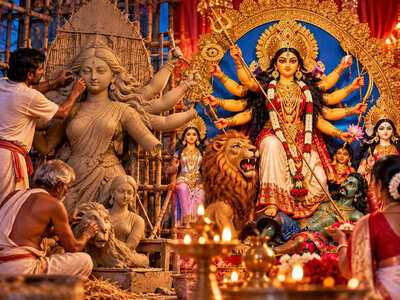
The Painting Behind Maa Durga
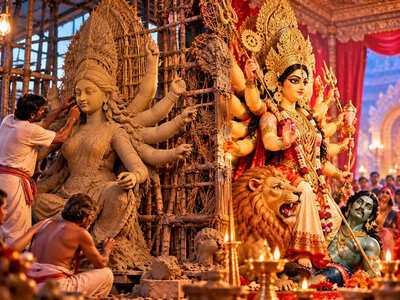 A traditional Chalchitra frames Maa Durga with colourful depictions of deities and mythological scenes.
The next time you visit a traditional Durga Puja, look beyond Maa Durga’s face and notice the painted arch behind her. This is called Chalchitra, also spelt Chaalchitra. It is a distinctive feature of traditional Bengali Durga imagery, where the backdrop may include several divine figures arranged around the goddess. Rather than serving only as decoration, the painting expands the visual story of the idol. Each figure adds another detail for devotees to notice, making the backdrop an important part of the artistic presentation.
The Folk Artists Behind the Art
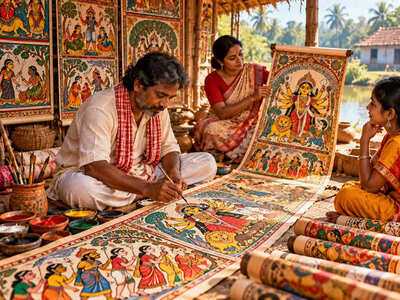 Patua artists preserve Bengal’s folk-painting traditions through detailed, hand-painted storytelling.
Chalchitra is closely connected with Bengal’s rich folk-art traditions and the work of Patuas, traditional painters known for creating narrative paintings. Bengal Patachitra has long been used to tell religious, mythological and social stories through images. Artists developed distinctive styles and techniques, passing their knowledge across generations. Although Chalchitra and scroll paintings are not exactly the same art form, both reflect the region’s tradition of using painting to communicate stories and beliefs. Their continued practice helps preserve a cultural heritage that goes beyond the festival itself.
What Do the Paintings Represent?One of the most fascinating features of Chalchitra is its range of divine figures. Depending on the style, the painting may include Shiva, Vishnu, Krishna, Kali and other gods and goddesses. The Sun and Moon can also appear in the composition. These figures connect Maa Durga’s image to a wider world of Hindu mythology and worship. Some backdrops focus on particular stories, while others bring several deities together in one frame. The exact figures and arrangements vary according to the artist and the family or community tradition.
How Artists Create ChalchitraThe beauty of Chalchitra lies not only in its finished appearance but also in the skill required to create it. Traditional Bengal Patachitra artists use materials such as cotton cloth, natural pigments, limestone and handmade adhesives to prepare and paint their work. The precise materials can differ between artists and painting traditions, so not every Chalchitra is made using the same process. Fine outlines, balanced compositions and vivid colours help bring the figures to life. Each painting reflects the artist’s technique and the visual traditions they have learned and developed.
Why It Means More Than DecorationChalchitra gives the Durga idol a larger visual setting. The presence of different deities can remind devotees of the many forms and stories found within Hindu traditions. In familiar Bengali representations, Maa Durga is often shown with her children, including Lakshmi, Saraswati, Kartikeya and Ganesha. The painted backdrop may extend this family-centred image by including other divine figures. Some devotees interpret this arrangement as a reminder that Durga’s arrival is connected to a wider divine world. The specific spiritual meaning, however, depends on the artwork and the tradition behind it.
A Tradition That Keeps Bengal’s Stories AliveDurga Puja is celebrated through more than rituals and grand decorations. It is also an expression of Bengal’s cultural identity, bringing together artists, artisans, communities and families. Chalchitra is one part of this larger artistic heritage. While modern pandals may experiment with new materials and contemporary themes, traditional paintings continue to offer a connection to older forms of devotional art. The tradition also reminds viewers that the people who create the decorations are an essential part of the festival. Their work transforms religious storytelling into something people can see, appreciate and pass on.
Look Beyond the Idol This Durga PujaThe next time you visit a Durga Puja pandal, take a moment to study the artwork behind Maa Durga. Notice which deities appear, how the figures are arranged and what stories the artist may be representing. If possible, ask a local organiser or artist about the design and its meaning. These small observations can make your visit more meaningful and help you appreciate the people who preserve Bengal’s traditional art. Have you ever noticed the Chalchitra behind Maa Durga’s idol? Share this story with someone who would love to discover another hidden detail of Durga Puja.
Unlock insightful tips and inspiration on personal growth, productivity, and well-being. Stay motivated and updated with the latest at My Life XP.
The Painting Behind Maa Durga
The next time you visit a traditional Durga Puja, look beyond Maa Durga’s face and notice the painted arch behind her. This is called Chalchitra, also spelt Chaalchitra. It is a distinctive feature of traditional Bengali Durga imagery, where the backdrop may include several divine figures arranged around the goddess. Rather than serving only as decoration, the painting expands the visual story of the idol. Each figure adds another detail for devotees to notice, making the backdrop an important part of the artistic presentation.
The Folk Artists Behind the Art
Chalchitra is closely connected with Bengal’s rich folk-art traditions and the work of Patuas, traditional painters known for creating narrative paintings. Bengal Patachitra has long been used to tell religious, mythological and social stories through images. Artists developed distinctive styles and techniques, passing their knowledge across generations. Although Chalchitra and scroll paintings are not exactly the same art form, both reflect the region’s tradition of using painting to communicate stories and beliefs. Their continued practice helps preserve a cultural heritage that goes beyond the festival itself.
What Do the Paintings Represent?One of the most fascinating features of Chalchitra is its range of divine figures. Depending on the style, the painting may include Shiva, Vishnu, Krishna, Kali and other gods and goddesses. The Sun and Moon can also appear in the composition. These figures connect Maa Durga’s image to a wider world of Hindu mythology and worship. Some backdrops focus on particular stories, while others bring several deities together in one frame. The exact figures and arrangements vary according to the artist and the family or community tradition.
How Artists Create ChalchitraThe beauty of Chalchitra lies not only in its finished appearance but also in the skill required to create it. Traditional Bengal Patachitra artists use materials such as cotton cloth, natural pigments, limestone and handmade adhesives to prepare and paint their work. The precise materials can differ between artists and painting traditions, so not every Chalchitra is made using the same process. Fine outlines, balanced compositions and vivid colours help bring the figures to life. Each painting reflects the artist’s technique and the visual traditions they have learned and developed.
Why It Means More Than DecorationChalchitra gives the Durga idol a larger visual setting. The presence of different deities can remind devotees of the many forms and stories found within Hindu traditions. In familiar Bengali representations, Maa Durga is often shown with her children, including Lakshmi, Saraswati, Kartikeya and Ganesha. The painted backdrop may extend this family-centred image by including other divine figures. Some devotees interpret this arrangement as a reminder that Durga’s arrival is connected to a wider divine world. The specific spiritual meaning, however, depends on the artwork and the tradition behind it.
A Tradition That Keeps Bengal’s Stories AliveDurga Puja is celebrated through more than rituals and grand decorations. It is also an expression of Bengal’s cultural identity, bringing together artists, artisans, communities and families. Chalchitra is one part of this larger artistic heritage. While modern pandals may experiment with new materials and contemporary themes, traditional paintings continue to offer a connection to older forms of devotional art. The tradition also reminds viewers that the people who create the decorations are an essential part of the festival. Their work transforms religious storytelling into something people can see, appreciate and pass on.
Look Beyond the Idol This Durga PujaThe next time you visit a Durga Puja pandal, take a moment to study the artwork behind Maa Durga. Notice which deities appear, how the figures are arranged and what stories the artist may be representing. If possible, ask a local organiser or artist about the design and its meaning. These small observations can make your visit more meaningful and help you appreciate the people who preserve Bengal’s traditional art. Have you ever noticed the Chalchitra behind Maa Durga’s idol? Share this story with someone who would love to discover another hidden detail of Durga Puja.
Unlock insightful tips and inspiration on personal growth, productivity, and well-being. Stay motivated and updated with the latest at My Life XP.
Next Story