
Why Jaisalmer Becomes a Favourite Tourist Destination During the Winter Season

Jaisalmer, popularly known as the Golden City of Rajasthan , is one of India's most fascinating desert destinations. Located in the heart of the Thar Desert, the city is famous for its golden sandstone architecture, historic forts, traditional havelis and vast sand dunes. Although summer temperatures can become extremely high, winter brings comparatively comfortable daytime conditions that make sightseeing and outdoor activities easier. Travellers can explore centuries-old monuments, enjoy camel rides, experience desert camping and discover the region's colourful cultural traditions. These attractions make Jaisalmer a popular choice for people planning a memorable winter holiday in Rajasthan.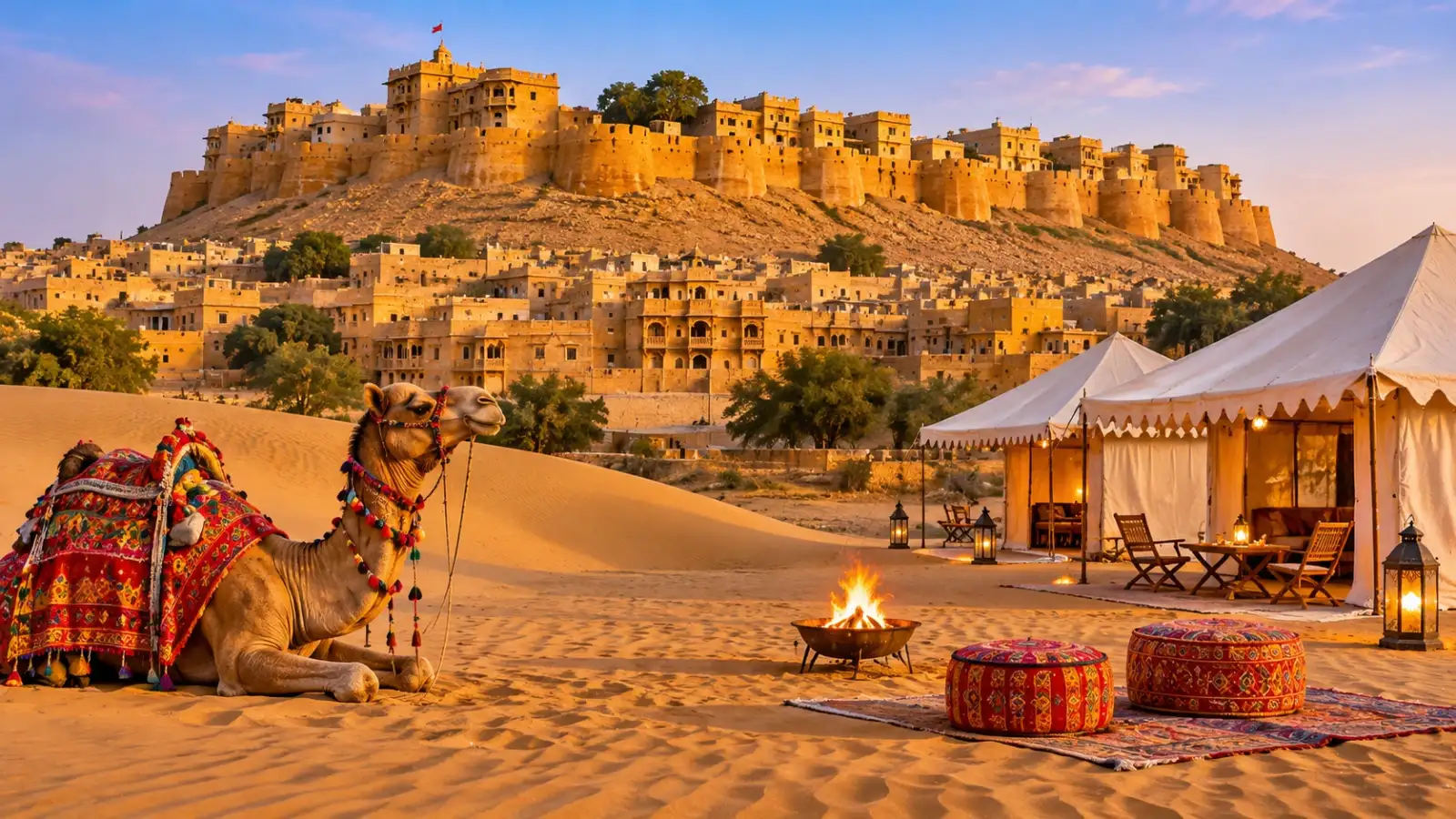
Winter generally offers more suitable conditions for visiting forts, temples, markets and other attractions. However, desert temperatures can drop considerably after sunset, so carrying warm clothes is advisable.
Its narrow lanes, traditional houses, temples and shops create the atmosphere of a living heritage settlement. Visitors can explore historic Jain temples, discover local architecture and enjoy impressive views of the surrounding city.
Camel rides and jeep safaris are popular activities, particularly during the late afternoon. Watching the sun set over the sand dunes is another memorable experience. Winter evenings can be cold, so visitors should carry suitable clothing for outdoor activities.
Guests can enjoy folk music, Kalbelia dance performances and local hospitality. Some camps also organise camel rides and stargazing experiences. Choosing a camp with clear facilities, transparent pricing and responsible tourism practices can make the stay more comfortable.
Patwon Ki Haveli is among the most well-known examples, featuring detailed stonework and decorative balconies. Salim Singh Ki Haveli and Nathmal Ki Haveli are also popular attractions. Exploring these buildings gives visitors an insight into the lifestyle and craftsmanship of Jaisalmer's wealthy merchants during earlier centuries.
Visitors may come across performances featuring instruments such as the kamaicha and khartal. Traditional Rajasthani attire, handicrafts and storytelling also contribute to the city's cultural appeal.
You can explore embroidered textiles, leather products, colourful fabrics, jewellery, decorative pieces and souvenirs. Many products reflect the artistic traditions of Rajasthan and make interesting gifts to take home.
Dal baati churma, ker sangri, gatte ki sabzi, panchmel dal and bajra roti are popular choices. Many local restaurants and heritage-style dining spaces serve these dishes with traditional accompaniments. Visitors can also try local sweets such as ghewar and ladoo.
1. Pleasant Weather Makes Sightseeing Easier
One of the main reasons Jaisalmer attracts winter visitors is its more comfortable daytime weather. During summer, temperatures in the desert region can become extremely high, making outdoor exploration difficult.Winter generally offers more suitable conditions for visiting forts, temples, markets and other attractions. However, desert temperatures can drop considerably after sunset, so carrying warm clothes is advisable.
2. The Magnificent Jaisalmer Fort
Jaisalmer Fort is among the city's most recognisable landmarks and a major attraction for history enthusiasts. Built in 1156 by Rawal Jaisal, the fort stands on Trikuta Hill and is constructed primarily from golden-yellow sandstone.Its narrow lanes, traditional houses, temples and shops create the atmosphere of a living heritage settlement. Visitors can explore historic Jain temples, discover local architecture and enjoy impressive views of the surrounding city.
3. Desert Safari Experiences at Sam Sand Dunes
A visit to Jaisalmer is often incomplete without exploring the Sam Sand Dunes. Located outside the city, this desert landscape attracts visitors who want to experience the beauty of the Thar Desert.Camel rides and jeep safaris are popular activities, particularly during the late afternoon. Watching the sun set over the sand dunes is another memorable experience. Winter evenings can be cold, so visitors should carry suitable clothing for outdoor activities.
4. Traditional Desert Camping
Winter is a popular time to experience desert camping around Jaisalmer. Several camps near Sam and Khuri offer accommodation in tents, along with traditional food and cultural programmes.Guests can enjoy folk music, Kalbelia dance performances and local hospitality. Some camps also organise camel rides and stargazing experiences. Choosing a camp with clear facilities, transparent pricing and responsible tourism practices can make the stay more comfortable.
You may also like
- One year, many milestones: OutStation celebrates its debut era with a new mixtape
- Donate these 5 things on Kartiki Ekadashi, this will bring happiness and prosperity to your home
- Fatty Liver Is Not Just a Digestive Problem: Doctors Warn of Serious Risks to Heart Health
- Psychology says people who reach railway stations hours before their train arrives may be managing more than punctuality: How anticipatory anxiety, fear of missing out and the need for control make some travellers arrive unusually early
- Psychology says people who feel guilty asking friends to return money they borrowed may be struggling with the fear of making a relationship uncomfortable; research across three countries examined why lenders avoid asking for repayment
5. Beautiful Havelis and Traditional Architecture
Jaisalmer is famous for its intricately carved sandstone havelis. These historic mansions reflect the artistic skills and architectural traditions of the region.Patwon Ki Haveli is among the most well-known examples, featuring detailed stonework and decorative balconies. Salim Singh Ki Haveli and Nathmal Ki Haveli are also popular attractions. Exploring these buildings gives visitors an insight into the lifestyle and craftsmanship of Jaisalmer's wealthy merchants during earlier centuries.
6. Cultural Experiences and Rajasthani Folk Music
Jaisalmer offers several opportunities to experience the cultural traditions of western Rajasthan. Folk musicians and performers often present traditional songs and dances at cultural events, desert camps and local venues.Visitors may come across performances featuring instruments such as the kamaicha and khartal. Traditional Rajasthani attire, handicrafts and storytelling also contribute to the city's cultural appeal.
7. Local Markets and Traditional Handicrafts
Jaisalmer's markets are popular with travellers interested in shopping for regional products. Sadar Bazaar, Bhatia Bazaar and nearby shopping streets offer a variety of traditional items.You can explore embroidered textiles, leather products, colourful fabrics, jewellery, decorative pieces and souvenirs. Many products reflect the artistic traditions of Rajasthan and make interesting gifts to take home.
8. Authentic Rajasthani Food
Food is another reason to explore Jaisalmer during winter. The city offers several traditional Rajasthani vegetarian dishes that reflect the region's desert environment and culinary heritage.Dal baati churma, ker sangri, gatte ki sabzi, panchmel dal and bajra roti are popular choices. Many local restaurants and heritage-style dining spaces serve these dishes with traditional accompaniments. Visitors can also try local sweets such as ghewar and ladoo.
Other Places to Explore Around Jaisalmer
If you have additional time, consider including these attractions in your itinerary:- Gadisar Lake: A historic water reservoir surrounded by temples and ghats, suitable for peaceful walks and boating when available.
- Bada Bagh: A collection of royal cenotaphs known for their sandstone architecture and desert surroundings.
- Kuldhara Village: An abandoned settlement associated with local legends and stories about its former residents.
- Desert National Park: A protected landscape where visitors can learn about desert ecosystems and look for wildlife, including the endangered Great Indian Bustard.
Tips for Planning a Winter Trip to Jaisalmer
- Plan outdoor sightseeing during the morning and afternoon when temperatures are more comfortable.
- Carry warm clothing for cold desert nights.
- Book desert camps and accommodation in advance during busy holiday periods.
- Wear comfortable footwear for exploring forts, havelis and sandy areas.
- Carry sunscreen, sunglasses and drinking water during outdoor excursions.
- Check safari timings, transport arrangements and local activity availability before travelling.






Loving Newspoint? Download the app now
