
Why Do Japanese Houses Often Have Minimalist Interiors? The Cultural Ideas Behind Their Design

Japanese homes are often admired for their calm atmosphere, uncluttered rooms and thoughtful use of space. Instead of filling every corner with furniture and decorations, many Japanese interiors focus on simplicity, natural materials and practical design. This approach is not just a modern decorating trend. It is influenced by traditional Japanese architecture , cultural values and ways of living that have developed over centuries. From sliding doors and low furniture to natural light and carefully selected objects, Japanese homes demonstrate how thoughtful design can make even compact spaces feel comfortable, organised and welcoming.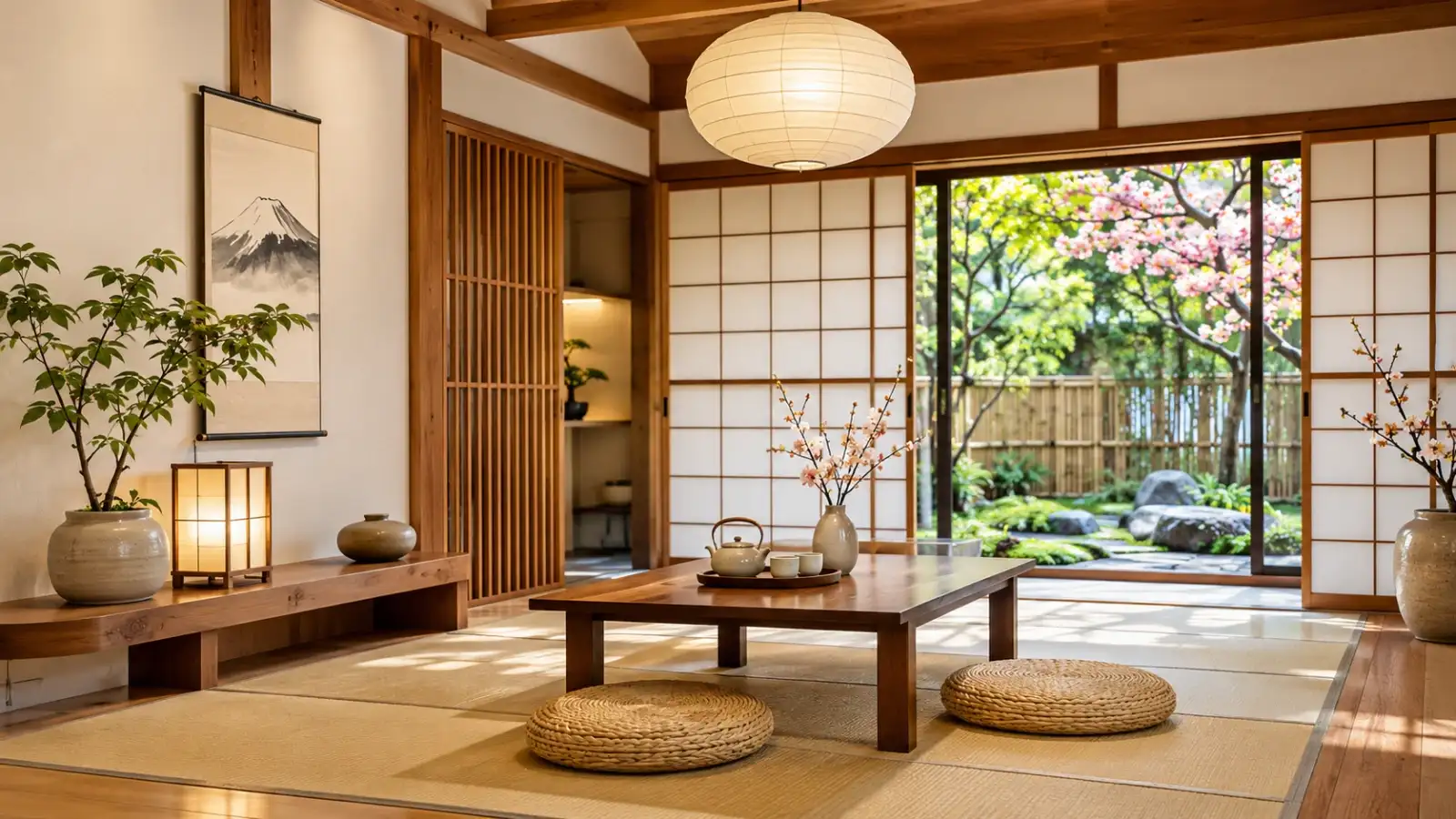
Concepts such as wabi-sabi, which appreciates imperfection and the beauty of natural ageing, encourage people to value materials and objects for their character. This approach can be seen in wooden furniture, handmade ceramics and simple decorative pieces.
Although not every minimalist Japanese home is directly inspired by Zen practices, the broader cultural appreciation of calm and restraint has helped shape this design approach. Open spaces and limited decoration can create an environment that feels peaceful and balanced.
Keeping furniture and belongings to a minimum makes rooms easier to use and maintain. Multi-purpose furniture, built-in storage and flexible layouts help residents make better use of available space without making their homes feel crowded.
Light-coloured timber, wooden floors and simple furniture are common features. Natural materials also connect indoor spaces with the surrounding environment, reflecting the importance of nature in traditional Japanese design.
These partitions allow rooms to be opened, divided or adapted according to different needs. A single area can serve several purposes throughout the day, making the home more flexible and functional.
This does not mean every Japanese household follows strict minimalism. However, the design tradition often encourages people to give objects a purpose and avoid unnecessary visual clutter.
Some houses also feature small gardens, courtyards or views of greenery. These design choices create a stronger connection between indoor and outdoor environments, even in urban settings.
Modern Japanese homes may combine traditional elements with contemporary sofas, beds and dining tables. The central idea remains the same: furniture should be useful, comfortable and suited to the available space.
Japanese minimalist interiors are shaped by a combination of cultural influences, practical needs and an appreciation for natural beauty. Their simplicity does not necessarily mean living with very few possessions. Instead, it often involves making thoughtful choices about space, materials and everyday objects. By combining functionality with a calm visual style, Japanese homes offer an interesting approach to creating comfortable living spaces without unnecessary clutter.
1. A Cultural Preference for Simplicity
One important influence on Japanese interiors is the idea of simplicity. Traditional Japanese aesthetics often value understated beauty rather than excessive decoration.Concepts such as wabi-sabi, which appreciates imperfection and the beauty of natural ageing, encourage people to value materials and objects for their character. This approach can be seen in wooden furniture, handmade ceramics and simple decorative pieces.
2. The Influence of Zen Buddhism
Zen Buddhism has influenced several aspects of Japanese art, architecture and design. Its emphasis on mindfulness, balance and simplicity is reflected in spaces that avoid unnecessary distractions.Although not every minimalist Japanese home is directly inspired by Zen practices, the broader cultural appreciation of calm and restraint has helped shape this design approach. Open spaces and limited decoration can create an environment that feels peaceful and balanced.
3. Making the Most of Limited Space
Space is another practical reason behind minimalist interiors. In densely populated Japanese cities such as Tokyo and Osaka, many people live in relatively compact apartments.Keeping furniture and belongings to a minimum makes rooms easier to use and maintain. Multi-purpose furniture, built-in storage and flexible layouts help residents make better use of available space without making their homes feel crowded.
4. Natural Materials Create a Warm Atmosphere
Japanese interiors often feature materials such as wood, bamboo, paper, stone and natural fabrics. These elements bring texture and warmth into rooms without requiring elaborate decoration.Light-coloured timber, wooden floors and simple furniture are common features. Natural materials also connect indoor spaces with the surrounding environment, reflecting the importance of nature in traditional Japanese design.
You may also like
- Shraddha Kapoor's minimal Diwali look has a fashion lesson for every wedding guest
- Delhi air pollution: Levels hit 60 times WHO limit, but can policy change?
- Inside The RAGE 90s in Abu Dhabi where old memories met a new generation
- Diwali 2026 Photoshoot Ideas: 5 Beautiful and Aesthetic Poses to Make Your Festive Pictures Instagram-Worthy
- Diwali Special Skincare: Try These 4 Easy Homemade Face Packs for a Fresh, Radiant Glow Before Your Festive Celebrations
5. Sliding Doors and Flexible Room Layouts
Traditional Japanese houses often use sliding doors known as fusuma and shoji. Fusuma are opaque sliding panels, while shoji traditionally feature translucent paper set within wooden frames.These partitions allow rooms to be opened, divided or adapted according to different needs. A single area can serve several purposes throughout the day, making the home more flexible and functional.
6. Decluttering Keeps Everyday Life Organised
Minimalist Japanese interiors often place importance on keeping belongings organised. Storage spaces, cupboards and carefully arranged shelves help prevent everyday items from taking over living areas.This does not mean every Japanese household follows strict minimalism. However, the design tradition often encourages people to give objects a purpose and avoid unnecessary visual clutter.
7. Natural Light and Connection With Nature
Light plays an important role in Japanese architecture. Large windows, open layouts and translucent shoji screens can help distribute natural light throughout a home.Some houses also feature small gardens, courtyards or views of greenery. These design choices create a stronger connection between indoor and outdoor environments, even in urban settings.
8. Furniture Is Often Low and Functional
Traditional Japanese interiors frequently use low furniture, including floor cushions, low tables and futons. These pieces allow rooms to serve different purposes without requiring permanent furniture arrangements.Modern Japanese homes may combine traditional elements with contemporary sofas, beds and dining tables. The central idea remains the same: furniture should be useful, comfortable and suited to the available space.
Japanese minimalist interiors are shaped by a combination of cultural influences, practical needs and an appreciation for natural beauty. Their simplicity does not necessarily mean living with very few possessions. Instead, it often involves making thoughtful choices about space, materials and everyday objects. By combining functionality with a calm visual style, Japanese homes offer an interesting approach to creating comfortable living spaces without unnecessary clutter.






Loving Newspoint? Download the app now
