
Which Famous Valley In India Is Known As The Valley Of Lakes?

Kashmir Valley, nestled in the northern Himalayas of India, is globally celebrated as the Valley of Lakes . This name is inspired by the valley’s abundant freshwater lakes, which are scattered across its landscape, formed through glacial activity, natural basins, and mountain hydrology. These alpine lakes vary in size, depth, and ecological significance, creating a unique network of freshwater ecosystems within a high-altitude environment.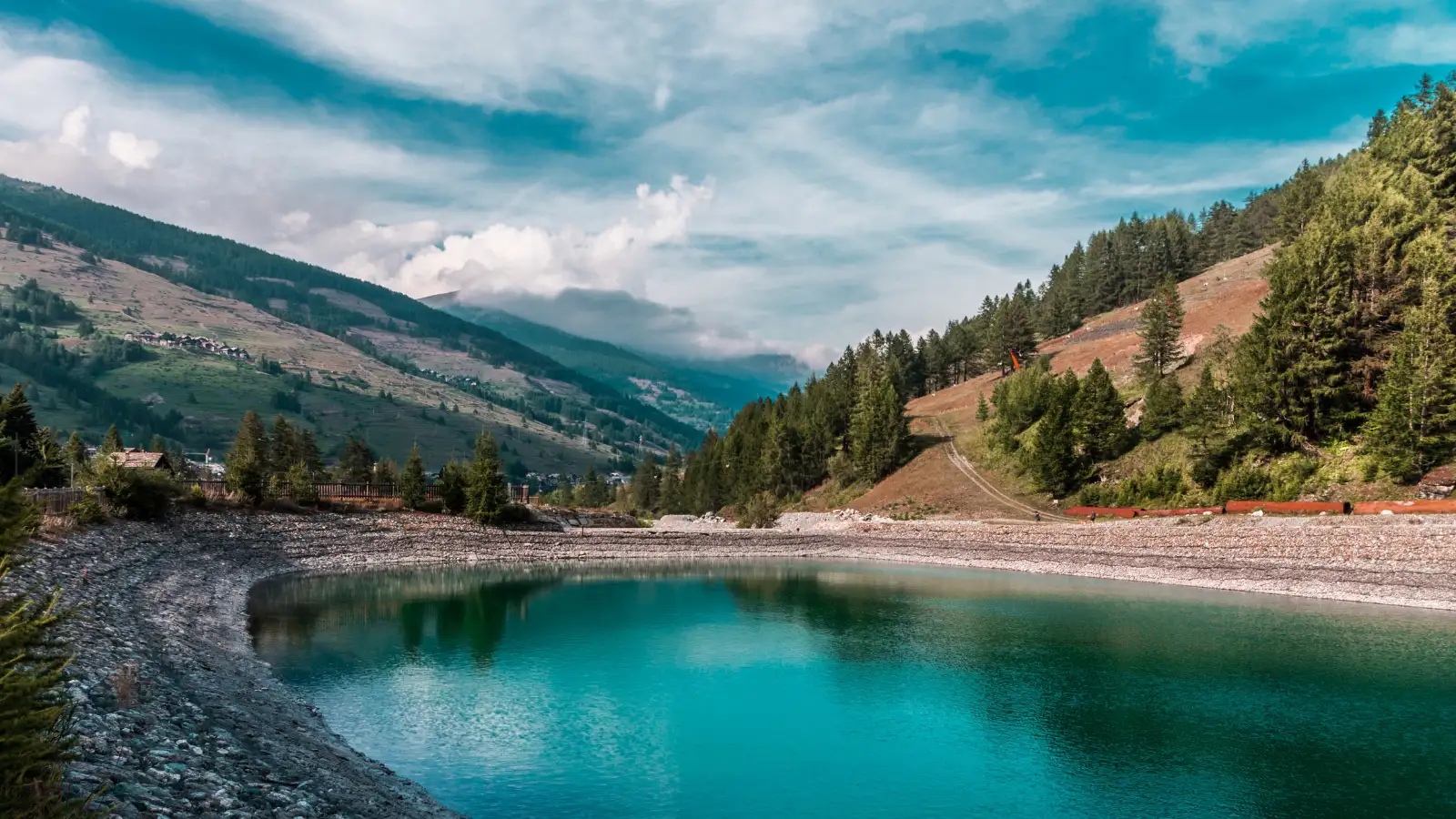
Why Kashmir Valley Is Called the Valley of Lakes
The valley’s numerous lakes, including famous ones like Dal Lake , Wular Lake , and several smaller alpine lakes, define its identity. These water bodies are integral to the valley’s geography, influencing local climate, vegetation, and human settlements. The abundance of freshwater lakes sets Kashmir Valley apart from other Himalayan valleys, making it a natural haven for biodiversity and scenic beauty.
Location and Geographic Setting
Kashmir Valley lies in the northern part of India, enclosed by the majestic Himalayan mountain ranges. This mountainous basin collects snowmelt and rainfall, sustaining long-term freshwater storage and seasonal hydrological cycles. The valley’s unique topography supports glacial lake formation and preserves its freshwater ecosystems, making it a vital environmental region in the Himalayas.
Ecological and Environmental Importance
The lakes of Kashmir Valley play a crucial role in supporting freshwater ecosystems, regional biodiversity, and local livelihoods. They regulate microclimates, sustain wetland habitats, and contribute to groundwater recharge. These freshwater bodies form a hydrological network that maintains ecological balance, supporting aquatic life, migratory birds, and diverse plant species.
Tourism and Cultural Significance
The scenic lakes attract tourists worldwide and shape the valley’s cultural and economic life. Traditional settlements, floating gardens, and water-based transport revolve around these lakes. Their picturesque environment, combined with unique cultural practices, makes Kashmir Valley one of India’s most recognisable natural landscapes.
Interesting Facts About Kashmir Valley
Kashmir Valley truly earns its title as the Valley of Lakes, blending natural beauty, ecological significance, and cultural heritage.
Why Kashmir Valley Is Called the Valley of Lakes
The valley’s numerous lakes, including famous ones like Dal Lake , Wular Lake , and several smaller alpine lakes, define its identity. These water bodies are integral to the valley’s geography, influencing local climate, vegetation, and human settlements. The abundance of freshwater lakes sets Kashmir Valley apart from other Himalayan valleys, making it a natural haven for biodiversity and scenic beauty. Location and Geographic Setting
Kashmir Valley lies in the northern part of India, enclosed by the majestic Himalayan mountain ranges. This mountainous basin collects snowmelt and rainfall, sustaining long-term freshwater storage and seasonal hydrological cycles. The valley’s unique topography supports glacial lake formation and preserves its freshwater ecosystems, making it a vital environmental region in the Himalayas.You may also like
- Can a Turkish Evil Eye Really Protect You from Nazar? The Truth Might Surprise You
- Does manifestation really work? The truth behind the viral spiritual trend everyone believes in
- Indian Railway Holi Special: Extra Coaches Announced in 12 Major Trains, Big Relief for Passengers in March Rush
- SEBI Revises Gold and Silver ETF Valuation Rules; New Framework Effective from April 1
- 8th Pay Commission: This state has constituted the 8th Pay Commission, salary will increase soon
Ecological and Environmental Importance
The lakes of Kashmir Valley play a crucial role in supporting freshwater ecosystems, regional biodiversity, and local livelihoods. They regulate microclimates, sustain wetland habitats, and contribute to groundwater recharge. These freshwater bodies form a hydrological network that maintains ecological balance, supporting aquatic life, migratory birds, and diverse plant species. Tourism and Cultural Significance
The scenic lakes attract tourists worldwide and shape the valley’s cultural and economic life. Traditional settlements, floating gardens, and water-based transport revolve around these lakes. Their picturesque environment, combined with unique cultural practices, makes Kashmir Valley one of India’s most recognisable natural landscapes.Interesting Facts About Kashmir Valley
- Glacial Lake Formation: Many lakes were created by ancient glaciers and mountain basins.
- Himalayan Setting: Enclosed by high mountains, influencing climate and water retention.
- Freshwater Biodiversity: Supports diverse aquatic species and migratory birds.
- Scenic Tourism: The lake-rich landscape attracts visitors from around the globe.
- Hydrological Network: Multiple lakes maintain environmental stability.
- Mountain Basin Geography: The valley’s structure allows long-term freshwater retention.
Kashmir Valley truly earns its title as the Valley of Lakes, blending natural beauty, ecological significance, and cultural heritage.






More from our partners


Loving Newspoint? Download the app now
