
Why Krishna Never Raised a Weapon in the Mahabharata


Imagine having the power to end a war in seconds, yet choosing not to lift a weapon. That is the striking part of Krishna’s role in the Mahabharata war. Krishna could guide Arjuna, drive his chariot and show him the right path, but he had promised not to fight. At first, this may seem surprising. Why would the most powerful figure on the battlefield deliberately stay away from combat? The answer lies in a deeper lesson about dharma, karma, free will and responsibility, where divine guidance does not replace human action.
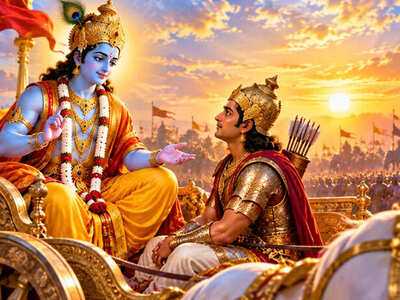
Krishna Chose Arjuna’s Chariot
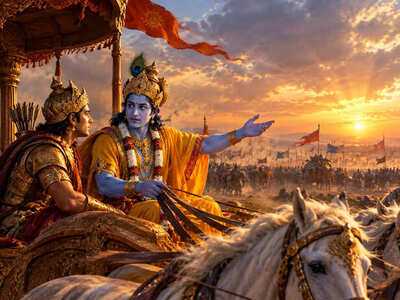 Krishna Giving Arjun the Life lesson to fight.
Before the Kurukshetra war began, Krishna offered the opposing sides a choice. One side could have his vast army, while the other could have Krishna himself, with the condition that he would not fight. Arjuna chose Krishna. This decision shaped the entire story. Krishna became Arjuna’s charioteer, placing himself in a role that looked ordinary but carried enormous meaning. He would not fight Arjuna’s battles for him. Instead, he would guide him through confusion, explain his duty and help him see the larger purpose behind his actions. The warrior still had to pick up his bow and act.
Why Did Krishna Refuse to Fight?
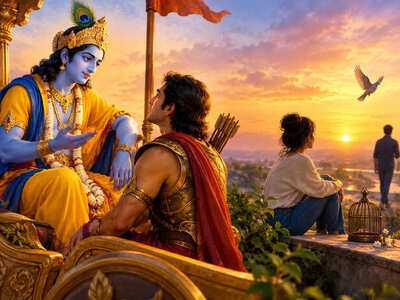 Krishna giving advice to Arjuna
The reason Krishna did not raise a weapon was connected to his promise. In the traditional Mahabharata narrative, Krishna chose not to personally fight for either side. This created a powerful distinction between divine guidance and human responsibility. If Krishna had personally destroyed the opposing army, the focus would have shifted from the warriors’ actions to divine intervention. Instead, Krishna allowed the battle to unfold through the choices and actions of those involved. His presence mattered enormously, but his role was different. He became the person who could offer direction when Arjuna could no longer see clearly, without taking away Arjuna’s responsibility to act.
Arjuna Still Had to FightThe central lesson of the Bhagavad Gita is not that a person can simply wait for divine help. Arjuna receives guidance from Krishna, but Krishna does not fight in his place. Arjuna must make his own decision and perform his duty as a warrior. This makes their relationship especially powerful. Krishna provides clarity, while Arjuna provides action. The distinction can also be understood through the idea of karma yoga, where a person focuses on performing their duty without being consumed by attachment to the result. Guidance may remove confusion, but action remains the individual’s responsibility.
The Sudarshan Chakra Changes EverythingThe Sudarshan Chakra represents a completely different possibility in the story. Krishna is traditionally described as possessing extraordinary divine power, yet he chooses not to use his weapon during the war. There is, however, a famous moment when Krishna becomes so enraged that he appears ready to break his promise and intervene. Arjuna stops him and reminds him of his vow. The episode highlights the tension between divine power and personal commitment. Krishna’s restraint becomes part of the lesson itself. Having the ability to act does not always mean taking control. Sometimes the greater responsibility is allowing others to perform their own duty.
Krishna Became the DirectionArjuna’s greatest struggle was not simply about defeating an enemy. Before the battle began, he was overwhelmed by doubt, grief and confusion. Krishna addressed those questions through the Bhagavad Gita, explaining ideas about duty, the self, action and spiritual wisdom. He did not merely tell Arjuna what to do. He helped him understand why he needed to make a decision. That distinction remains one of the most memorable parts of their story. Krishna became the guide, while Arjuna remained the person responsible for action. The battlefield therefore became a setting for a much larger conversation about choice and responsibility.
What This Means for Our LivesThe Krishna Arjuna relationship offers a practical lesson beyond the battlefield. People often hope that someone else will solve a difficult situation for them. But guidance and action are not the same thing. A mentor can show you an opportunity, a friend can offer advice and faith can give you courage. Still, you have to make the call, take the first step and accept responsibility for your choices. This is where the traditional idea of God helps those who help themselves connects with the story. Divine guidance, in this interpretation, does not remove human effort. It gives direction while leaving the action in our hands.
The Charioteer Was the Real LessonKrishna’s decision not to fight makes his role as Arjuna’s charioteer even more meaningful. He held the reins, offered wisdom and helped Arjuna navigate one of the most difficult moments of his life. But he never removed Arjuna’s responsibility to act. That is the deeper message many readers take from the Mahabharata story: support can guide you, but it cannot live your life for you. Faith can give direction, but effort still matters. Krishna did not need to hold a weapon to change the course of the story. Sometimes the strongest form of help is not doing the work for someone, but helping them find the courage to do it themselves.
Unlock insightful tips and inspiration on personal growth, productivity, and well-being. Stay motivated and updated with the latest at My Life XP.
Krishna Chose Arjuna’s Chariot
Before the Kurukshetra war began, Krishna offered the opposing sides a choice. One side could have his vast army, while the other could have Krishna himself, with the condition that he would not fight. Arjuna chose Krishna. This decision shaped the entire story. Krishna became Arjuna’s charioteer, placing himself in a role that looked ordinary but carried enormous meaning. He would not fight Arjuna’s battles for him. Instead, he would guide him through confusion, explain his duty and help him see the larger purpose behind his actions. The warrior still had to pick up his bow and act.
Why Did Krishna Refuse to Fight?
The reason Krishna did not raise a weapon was connected to his promise. In the traditional Mahabharata narrative, Krishna chose not to personally fight for either side. This created a powerful distinction between divine guidance and human responsibility. If Krishna had personally destroyed the opposing army, the focus would have shifted from the warriors’ actions to divine intervention. Instead, Krishna allowed the battle to unfold through the choices and actions of those involved. His presence mattered enormously, but his role was different. He became the person who could offer direction when Arjuna could no longer see clearly, without taking away Arjuna’s responsibility to act.
Arjuna Still Had to FightThe central lesson of the Bhagavad Gita is not that a person can simply wait for divine help. Arjuna receives guidance from Krishna, but Krishna does not fight in his place. Arjuna must make his own decision and perform his duty as a warrior. This makes their relationship especially powerful. Krishna provides clarity, while Arjuna provides action. The distinction can also be understood through the idea of karma yoga, where a person focuses on performing their duty without being consumed by attachment to the result. Guidance may remove confusion, but action remains the individual’s responsibility.
The Sudarshan Chakra Changes EverythingThe Sudarshan Chakra represents a completely different possibility in the story. Krishna is traditionally described as possessing extraordinary divine power, yet he chooses not to use his weapon during the war. There is, however, a famous moment when Krishna becomes so enraged that he appears ready to break his promise and intervene. Arjuna stops him and reminds him of his vow. The episode highlights the tension between divine power and personal commitment. Krishna’s restraint becomes part of the lesson itself. Having the ability to act does not always mean taking control. Sometimes the greater responsibility is allowing others to perform their own duty.
Krishna Became the DirectionArjuna’s greatest struggle was not simply about defeating an enemy. Before the battle began, he was overwhelmed by doubt, grief and confusion. Krishna addressed those questions through the Bhagavad Gita, explaining ideas about duty, the self, action and spiritual wisdom. He did not merely tell Arjuna what to do. He helped him understand why he needed to make a decision. That distinction remains one of the most memorable parts of their story. Krishna became the guide, while Arjuna remained the person responsible for action. The battlefield therefore became a setting for a much larger conversation about choice and responsibility.
What This Means for Our LivesThe Krishna Arjuna relationship offers a practical lesson beyond the battlefield. People often hope that someone else will solve a difficult situation for them. But guidance and action are not the same thing. A mentor can show you an opportunity, a friend can offer advice and faith can give you courage. Still, you have to make the call, take the first step and accept responsibility for your choices. This is where the traditional idea of God helps those who help themselves connects with the story. Divine guidance, in this interpretation, does not remove human effort. It gives direction while leaving the action in our hands.
The Charioteer Was the Real LessonKrishna’s decision not to fight makes his role as Arjuna’s charioteer even more meaningful. He held the reins, offered wisdom and helped Arjuna navigate one of the most difficult moments of his life. But he never removed Arjuna’s responsibility to act. That is the deeper message many readers take from the Mahabharata story: support can guide you, but it cannot live your life for you. Faith can give direction, but effort still matters. Krishna did not need to hold a weapon to change the course of the story. Sometimes the strongest form of help is not doing the work for someone, but helping them find the courage to do it themselves.
Unlock insightful tips and inspiration on personal growth, productivity, and well-being. Stay motivated and updated with the latest at My Life XP.
Next Story