
Why Does Leftover Food Taste Better the Next Day? The Science Explained

Have you ever raided your fridge the morning after preparing a rich dinner, only to discover that your leftover curry or pasta sauce tastes noticeably richer than it did fresh off the stove? This delicious transformation is driven by real food science. When a dish is freshly cooked, individual ingredients retain their distinct, sharp aroma profiles.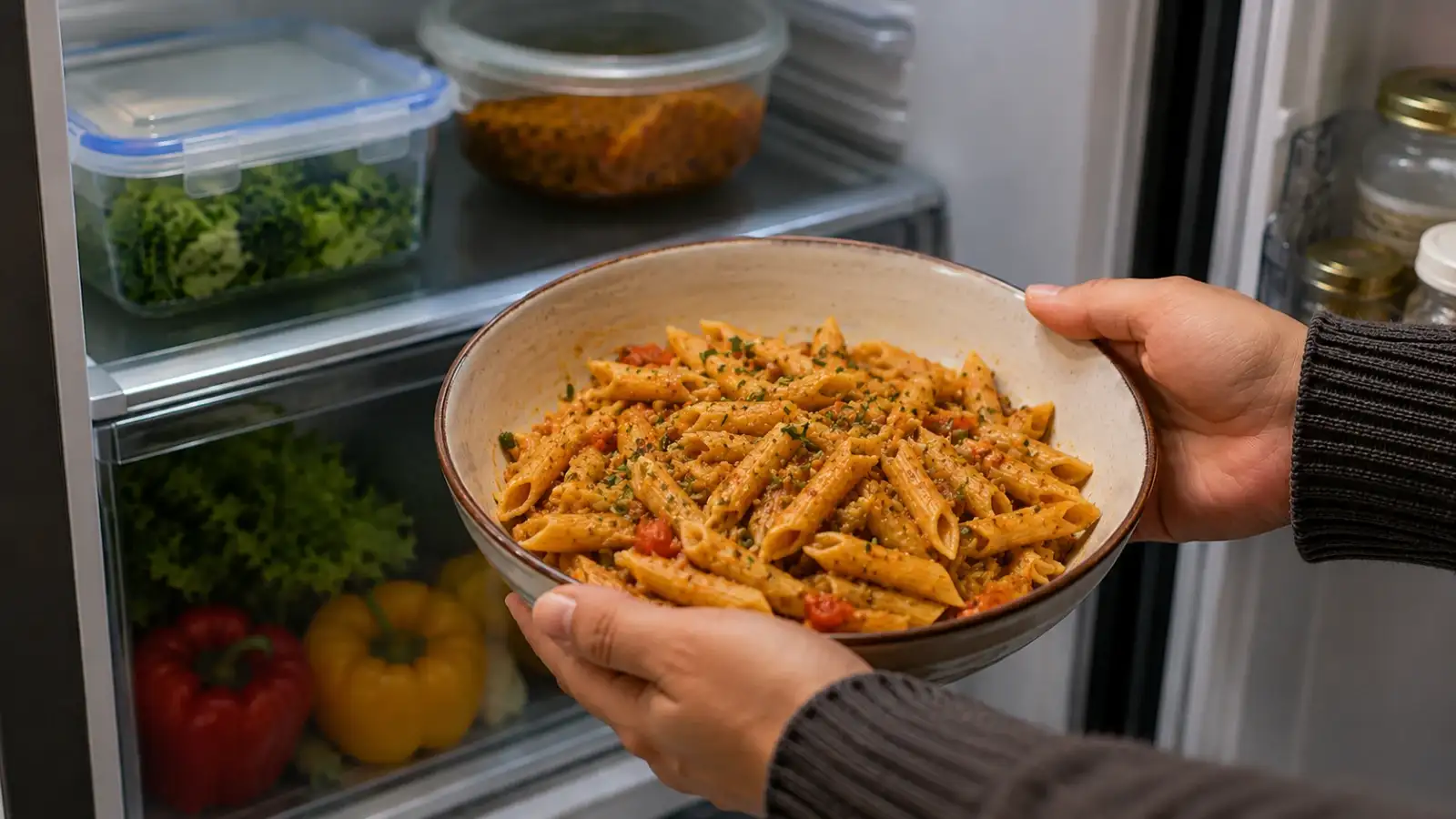
A fierce chili kick, sharp garlic, or earthy cumin can jump out as separate tasting notes on your palate. As the meal cools and rests in the fridge overnight, aromatic compounds dissolved in fats and liquids slowly migrate throughout the entire dish. This quiet resting period allows harsh individual edges to soften, letting complex spices meld together into a balanced, well rounded flavor profile.
Starch Retrogradation and Liquid Absorption in Rice and Pasta
The science of leftover starches like rice and pasta involves a physical structural shift called starch retrogradation. When you boil pasta noodles or steam rice grains, the compact starch molecules swell with hot water, creating soft, delicate textures.
As leftover rice or pasta cools overnight inside a cold refrigerator, those expanded starch chains begin to crystallize and firm up. At the same time, the starches slowly absorb any surrounding rich sauces, stocks, and aromatic oils sitting in the storage container. This means every bite of day-old pasta or leftover curry rice carries deep seasoning directly inside the grain structure rather than just sitting loosely on the surface.
Gelatin Breakdown and Silky Mouthfeel Enhancements
Meat-based curries, rich bologneses, and hearty stews undergo a dramatic textural upgrade as they cool and reheat. Connective tissue in meats contains tough collagen, which breaks down into natural gelatin during slow cooking. When you place a pot of curry into the fridge, this released gelatin sets into a thick, firm jelly consistency.
Upon gentle reheating the following afternoon, that solidified gelatin melts back into the sauce, creating a luxurious, velvety mouthfeel. This repeated heating and cooling cycle naturally thickens your sauce, giving leftover curry or pasta a glossy, restaurant quality texture that quick mid-week cooking rarely achieves.
Olfactory Fatigue and Sensory Reset
Beyond physical food chemistry, part of the leftover magic happens inside your own brain. When you spend an hour standing over a hot stove chopping onions, smelling searing meats, and inhaling pungent garlic fumes, your nose experiences sensory adaptation or olfactory fatigue.
By the time you sit down to eat your freshly cooked meal, your nose has already acclimated to the primary aromas, muting your overall perception of flavor. Stepping into the kitchen the next day with a completely clear nose allows your senses to experience those rich aromas fresh. This instant sensory reset makes your leftover pasta or curry taste vibrant, intense, and deeply satisfying.
The Resistant Starch Health Bonus
Beyond delivering superior flavor, cooling down leftover starches like rice and pasta offers a hidden health advantage. The cooling process transforms standard digestive starches into resistant starch, a form of carbohydrate that resists quick breakdown in your small intestine.
Instead of spiking your blood sugar rapidly, resistant starch travels straight to your lower gut, acting as beneficial prebiotic fiber that feeds healthy gut bacteria. Remarkably, even when you reheat your leftover rice or pasta, the resistant starch structure remains intact. Reheating yesterday’s dinner yields a smoother, more savory dish that keeps your energy stable and supports digestive health.
A fierce chili kick, sharp garlic, or earthy cumin can jump out as separate tasting notes on your palate. As the meal cools and rests in the fridge overnight, aromatic compounds dissolved in fats and liquids slowly migrate throughout the entire dish. This quiet resting period allows harsh individual edges to soften, letting complex spices meld together into a balanced, well rounded flavor profile.
Starch Retrogradation and Liquid Absorption in Rice and Pasta
The science of leftover starches like rice and pasta involves a physical structural shift called starch retrogradation. When you boil pasta noodles or steam rice grains, the compact starch molecules swell with hot water, creating soft, delicate textures.
As leftover rice or pasta cools overnight inside a cold refrigerator, those expanded starch chains begin to crystallize and firm up. At the same time, the starches slowly absorb any surrounding rich sauces, stocks, and aromatic oils sitting in the storage container. This means every bite of day-old pasta or leftover curry rice carries deep seasoning directly inside the grain structure rather than just sitting loosely on the surface.
You may also like
- After years in corporate, a 35th-generation royal returns to his roots and is now reviving a 1929 palace and Kannauj's perfume heritage, giving employment to hundreds
- Sometimes, saying No is the most powerful form of equality
- New Section of Delhi-Mumbai Expressway Opens: Know the Entry, Exit, and Toll Rules
- Do fruits lose their nutrients when kept in the refrigerator? For how many days is it right to store them?
- What Happens to Your Body When You Quit Sugar for 30 Days, Key Health Changes and Benefits
Gelatin Breakdown and Silky Mouthfeel Enhancements
Meat-based curries, rich bologneses, and hearty stews undergo a dramatic textural upgrade as they cool and reheat. Connective tissue in meats contains tough collagen, which breaks down into natural gelatin during slow cooking. When you place a pot of curry into the fridge, this released gelatin sets into a thick, firm jelly consistency.
Upon gentle reheating the following afternoon, that solidified gelatin melts back into the sauce, creating a luxurious, velvety mouthfeel. This repeated heating and cooling cycle naturally thickens your sauce, giving leftover curry or pasta a glossy, restaurant quality texture that quick mid-week cooking rarely achieves.
Olfactory Fatigue and Sensory Reset
Beyond physical food chemistry, part of the leftover magic happens inside your own brain. When you spend an hour standing over a hot stove chopping onions, smelling searing meats, and inhaling pungent garlic fumes, your nose experiences sensory adaptation or olfactory fatigue.
By the time you sit down to eat your freshly cooked meal, your nose has already acclimated to the primary aromas, muting your overall perception of flavor. Stepping into the kitchen the next day with a completely clear nose allows your senses to experience those rich aromas fresh. This instant sensory reset makes your leftover pasta or curry taste vibrant, intense, and deeply satisfying.
The Resistant Starch Health Bonus
Beyond delivering superior flavor, cooling down leftover starches like rice and pasta offers a hidden health advantage. The cooling process transforms standard digestive starches into resistant starch, a form of carbohydrate that resists quick breakdown in your small intestine.
Instead of spiking your blood sugar rapidly, resistant starch travels straight to your lower gut, acting as beneficial prebiotic fiber that feeds healthy gut bacteria. Remarkably, even when you reheat your leftover rice or pasta, the resistant starch structure remains intact. Reheating yesterday’s dinner yields a smoother, more savory dish that keeps your energy stable and supports digestive health.





