
Leftover Rice Recipes: 4 Traditional Indian Ways to Reuse Cooked Rice

Rice serves as the beating heart of daily meals for hundreds of millions of families across the Indian subcontinent. Whether cooked as fluffy white basmati grains in the northern plains or boiled as thick parboiled varieties along tropical southern coasts, a warm bowl of rice accompanies curries, lentil soups, and vegetable stir-fries. Given its central role on the dining table, managing surplus cooked grains is a daily reality in almost every household.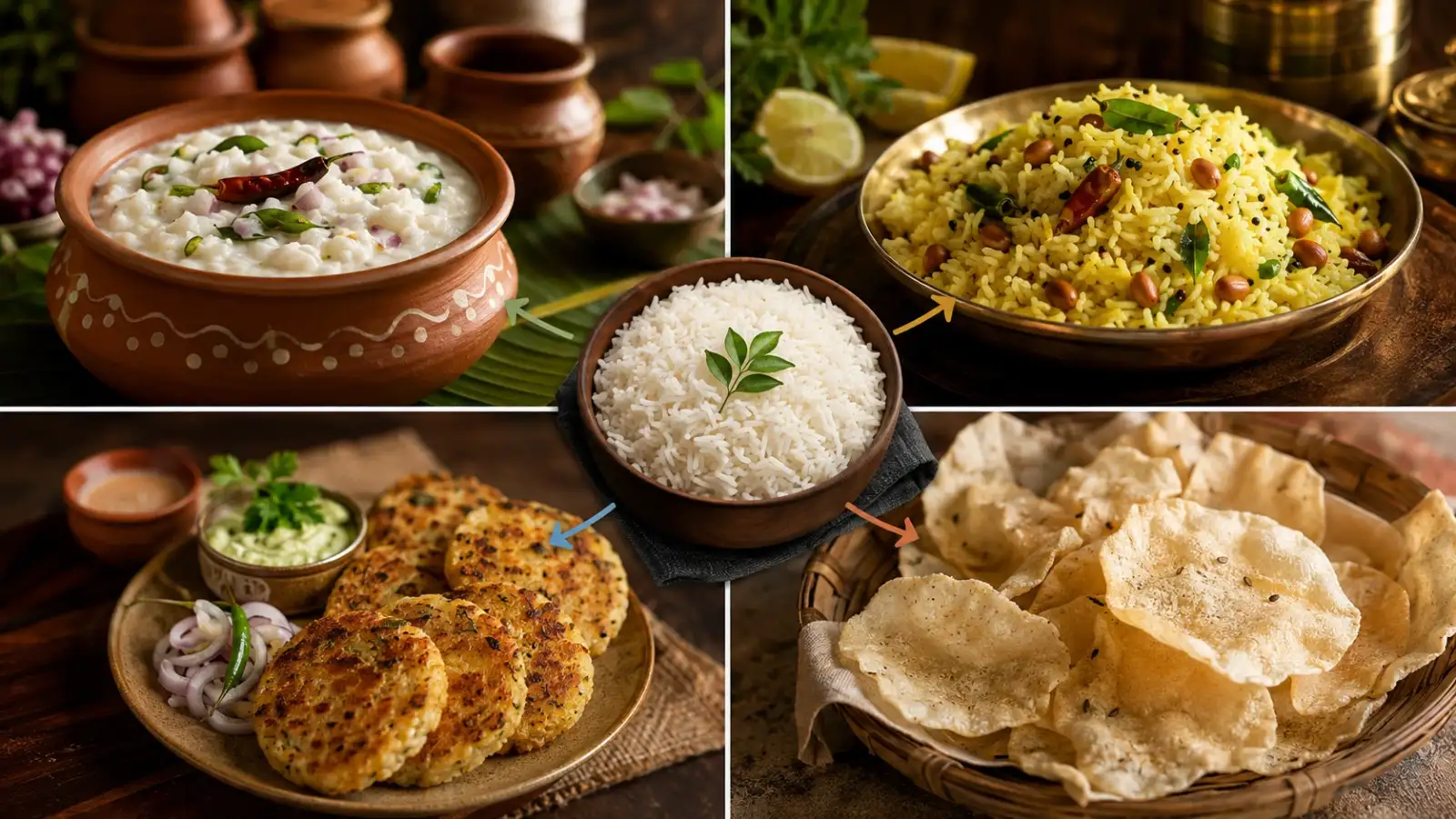
Throwing away edible food is deeply discouraged across traditional cultures, which inspired centuries of resourceful culinary innovation. Rather than simply reheating a dry bowl of grains in a modern microwave, home cooks developed brilliant techniques to repurpose cooked food based on local weather, regional digestive needs, and cultural preferences. Exploring why leftover rice is used differently across Indian homes reveals how fermentation chemistry, frying techniques, regional spice profiles, and frugal culinary wisdom turn simple surplus grains into exciting new dishes.
Instead of letting cooked grains spoil, coastal cooks turned hot summer weather into a culinary asset through natural fermentation. By submerging cooked rice in cool water inside glazed earthenware pots and leaving it to rest overnight, beneficial wild lactic acid bacteria flourish. In eastern states, this process yields a tangy, naturally probiotic rice soup known as panta bhat or pakhala bhata. In Tamil Nadu, a similar morning staple called pazhaya sadam is prepared by mixing fermented rice with cool buttermilk, raw onions, and green chilis. Consumed at dawn, these cooling fermented rice dishes prevent heatstroke, restore vital gut flora, and provide sustained physical energy for agricultural workers heading out into hot fields.
Cold cooked rice that has rested overnight in a refrigerator loses its surface moisture, causing the grains to firm up and separate cleanly. This firm texture makes cold cooked rice ideal for high-heat pan frying. In Maharashtrian households, cooks prepare phodni cha bhat by sizzling mustard seeds, turmeric powder, curry leaves, green chilis, and roasted peanuts in hot peanut oil before tossing in the cold cooked grains. In Gujarat, sour curd and chickpea flour are mixed with cooked grains to create a warm, comforting porridge called vagharelo bhat. The high heat seals the individual grains while the hot oil infuses spices deep into the starch structure, creating a quick meal that tastes completely different from the original dinner.
Northern home cooks often mash leftover rice together with boiled potatoes, chopped coriander, red chili powder, and whole wheat flour to knead a soft dough for chawal ka paratha . When toasted over a hot iron tawa with clarified butter, the starch in the rice creates an exceptionally crispy outer crust while keeping the inside soft and tender. Alternatively, surplus rice is mixed with chickpea flour and shallow fried to make crispy afternoon pakoras. Mashing breaks down the original grain structure, allowing the leftover rice to act as a binding agent that adds a delightful crunch to tea-time snacks.
Cooked rice is tossed with salt, spiced buttermilk, or lemon juice, shaped into tiny dollops or pressed onto cloth sheets, and left to dry under intense summer sunlight. These sun-dried rice crisps, known as vadams or sandige, dry out completely into hard, shelf-stable morsels. When deep fried in hot oil months later, they puff up into light, crunchy crackers that serve as delicious accompaniments to daily lentil curries.
Throwing away edible food is deeply discouraged across traditional cultures, which inspired centuries of resourceful culinary innovation. Rather than simply reheating a dry bowl of grains in a modern microwave, home cooks developed brilliant techniques to repurpose cooked food based on local weather, regional digestive needs, and cultural preferences. Exploring why leftover rice is used differently across Indian homes reveals how fermentation chemistry, frying techniques, regional spice profiles, and frugal culinary wisdom turn simple surplus grains into exciting new dishes.
Fermentation chemistry and cooling morning soups in coastal regions
In hot and humid eastern and southern coastal states like Odisha, Bengal, Assam, and Tamil Nadu, high ambient temperatures traditionally made storing leftover food overnight a challenge before modern refrigeration existed.Instead of letting cooked grains spoil, coastal cooks turned hot summer weather into a culinary asset through natural fermentation. By submerging cooked rice in cool water inside glazed earthenware pots and leaving it to rest overnight, beneficial wild lactic acid bacteria flourish. In eastern states, this process yields a tangy, naturally probiotic rice soup known as panta bhat or pakhala bhata. In Tamil Nadu, a similar morning staple called pazhaya sadam is prepared by mixing fermented rice with cool buttermilk, raw onions, and green chilis. Consumed at dawn, these cooling fermented rice dishes prevent heatstroke, restore vital gut flora, and provide sustained physical energy for agricultural workers heading out into hot fields.
High heat stir frying and tempered rice dishes in western states
Moving into western and central states like Maharashtra, Gujarat, and Karnataka, regional kitchens developed quick tempering methods to transform leftover rice into savory, aromatic afternoon snacks.You may also like
- Peanuts With or Without Skin: Which Is Healthier and What Is the Best Way to Eat Them?
- 'This is my tiny house, though it looks straight out of a postcard, I live here': Woman reveals the issues she is facing living in a 'picture-perfect' house
- Why do Kodagu brides wear their saree backwards? The fascinating story behind their iconic drape
- Your child seems distracted while studying? These overlooked vision problems could be making reading and learning harder
- Why Zurich deserves more than a layover
Cold cooked rice that has rested overnight in a refrigerator loses its surface moisture, causing the grains to firm up and separate cleanly. This firm texture makes cold cooked rice ideal for high-heat pan frying. In Maharashtrian households, cooks prepare phodni cha bhat by sizzling mustard seeds, turmeric powder, curry leaves, green chilis, and roasted peanuts in hot peanut oil before tossing in the cold cooked grains. In Gujarat, sour curd and chickpea flour are mixed with cooked grains to create a warm, comforting porridge called vagharelo bhat. The high heat seals the individual grains while the hot oil infuses spices deep into the starch structure, creating a quick meal that tastes completely different from the original dinner.
Crispy pan fried snacks and flatbreads in northern plains
In the northern states of Punjab, Haryana, and Uttar Pradesh, where wheat flatbreads compete with rice for dominance, surplus cooked grains are often mashed and integrated into entirely new dough structures.Northern home cooks often mash leftover rice together with boiled potatoes, chopped coriander, red chili powder, and whole wheat flour to knead a soft dough for chawal ka paratha . When toasted over a hot iron tawa with clarified butter, the starch in the rice creates an exceptionally crispy outer crust while keeping the inside soft and tender. Alternatively, surplus rice is mixed with chickpea flour and shallow fried to make crispy afternoon pakoras. Mashing breaks down the original grain structure, allowing the leftover rice to act as a binding agent that adds a delightful crunch to tea-time snacks.
Solar drying and long term rice crisp preservation
In many traditional households across southern and central India, surplus cooked grains that cannot be consumed immediately are preserved for months using sun drying techniques.Cooked rice is tossed with salt, spiced buttermilk, or lemon juice, shaped into tiny dollops or pressed onto cloth sheets, and left to dry under intense summer sunlight. These sun-dried rice crisps, known as vadams or sandige, dry out completely into hard, shelf-stable morsels. When deep fried in hot oil months later, they puff up into light, crunchy crackers that serve as delicious accompaniments to daily lentil curries.
Celebrating sustainability and culinary ingenuity
Understanding why leftover rice is used differently across Indian homes shows how zero-waste principles can inspire incredible flavour. By matching simple cooked grains with regional techniques, traditional kitchens prove that simple leftovers can become the star of the next meal.





Loving Newspoint? Download the app now
