
Lip Balm Making Your Lips Dry? Here Is Why It Happens

Lip balm is supposed to keep your lips soft, smooth and comfortable. Yet sometimes, you apply it, enjoy a few minutes of relief and then notice that your lips feel dry again. This can be frustrating, especially when you keep reapplying the product throughout the day.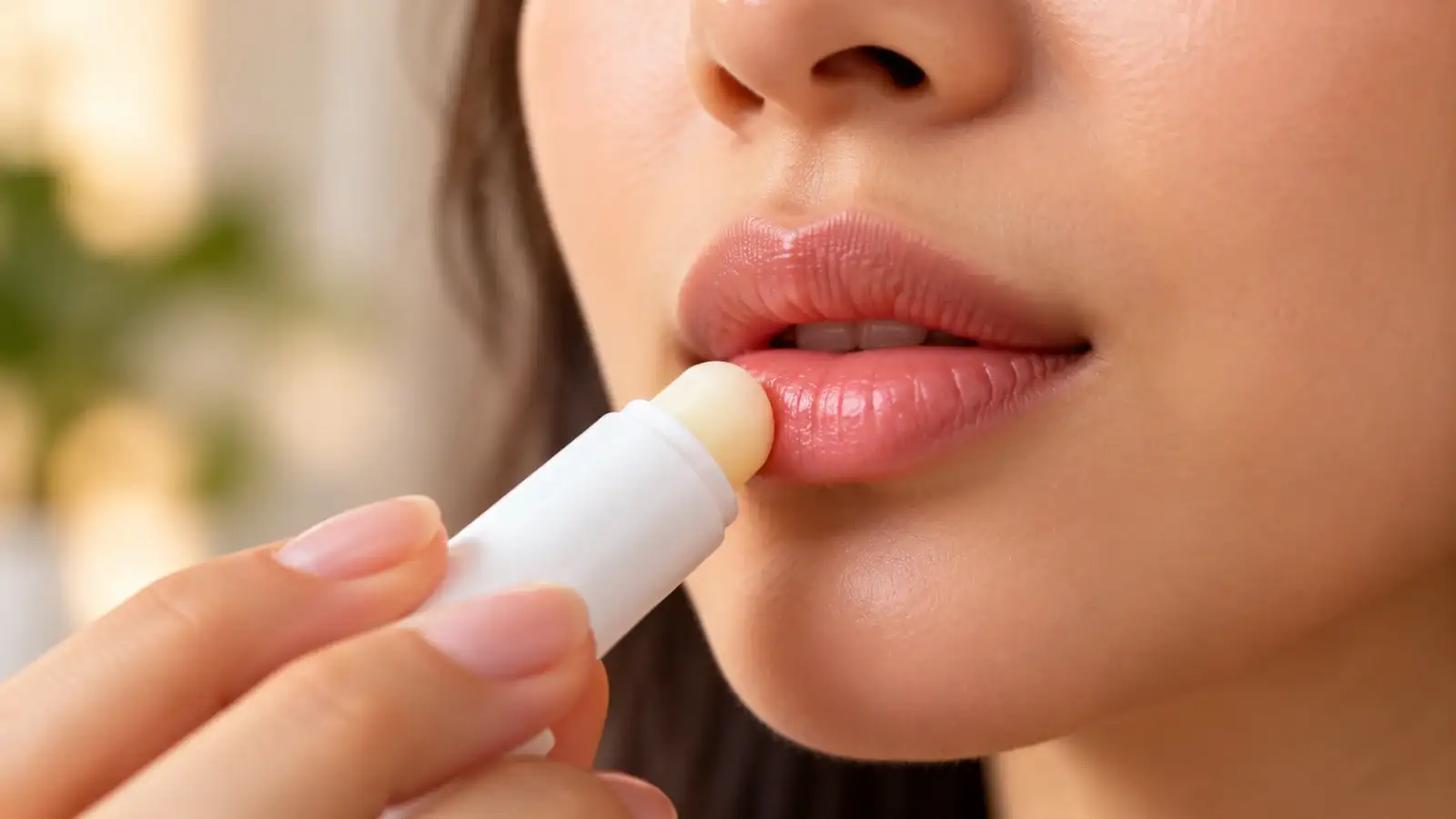
The reason is not always that your lip balm is ineffective. Some formulas mainly create a protective layer, while others contain ingredients that may irritate sensitive lips. Weather, dehydration, lip-licking habits and the condition of your skin can also affect how long the moisture lasts. Understanding these factors can help you choose a suitable lip balm and build a routine that keeps your lips comfortable for longer.
However, if your lips are already very dry, a protective layer alone may not immediately make them feel soft. Ingredients known as humectants, such as glycerine, attract and hold water, while emollients help soften the skin.
A well-formulated lip balm may combine several types of ingredients to support hydration and reduce moisture loss. If your current product offers only temporary relief, trying a fragrance-free formula with a combination of moisturising and protective ingredients may help.
Potential triggers include menthol, camphor, phenol, strong fragrances and certain flavouring agents. Ingredients such as peppermint, cinnamon or citrus oils may also cause irritation in susceptible individuals.
Repeated exposure can contribute to dryness, redness, peeling or a burning sensation. This may make it seem as though the lip balm is drying your lips out.
If your lips regularly become uncomfortable after using a particular product, stop using it and switch to a simple, fragrance-free alternative. A product that causes stinging or burning is not necessarily working better.
Saliva also contains digestive enzymes that may irritate the delicate skin around the mouth, particularly when lip-licking happens repeatedly throughout the day.
This creates a frustrating cycle: your lips feel dry, you lick them, the moisture evaporates, and you reach for lip balm again.
Instead, apply a protective balm when your lips feel dry and try to avoid licking, biting or picking at them. If you notice frequent lip-licking during periods of stress or concentration, becoming aware of the habit is a useful first step.
Some people develop irritation or allergic contact cheilitis, a form of inflammation affecting the lips, in response to ingredients in personal-care products. Symptoms can include persistent dryness, redness, scaling, cracking or itching.
A product that has worked well for someone else may not suit your skin.
If you experience recurring irritation, choose an unflavoured, fragrance-free balm with a short ingredient list. If symptoms continue despite changing products, consult a dermatologist to identify possible triggers.
Indoor heating can also make the air dry during winter. In hot weather, strong sunlight and exposure to dry air may contribute to discomfort as well.
A lip balm can reduce moisture loss, but it cannot completely prevent the effects of harsh environmental conditions.
Apply a protective layer before going outdoors and reapply when necessary, particularly after eating, drinking or wiping your mouth. During the day, choose a lip balm with broad-spectrum SPF 30 or higher to protect against ultraviolet radiation.
A more useful approach is to apply balm regularly, particularly after washing your face, eating or drinking. Applying it before going outdoors can also help protect the skin from wind and cold.
At night, a thicker, fragrance-free ointment may help reduce moisture loss while you sleep. Petrolatum-based products are often useful for this purpose because they create a protective barrier.
Avoid aggressively scrubbing your lips to remove flakes. Exfoliation can worsen irritation when the skin is already cracked or inflamed.
If you are not drinking enough fluids, particularly during hot weather or after exercise, dehydration can contribute to general dryness and discomfort. Drinking fluids regularly throughout the day supports normal body function.
However, persistent lip dryness can also result from environmental exposure, skin irritation, allergies, certain medicines or underlying conditions. Drinking more water will not necessarily resolve these causes.
If your lips remain dry despite a consistent care routine, consider whether a product, medication or environmental factor could be contributing.
The problem arises when reapplication becomes a way to manage irritation caused by the product itself. If a balm contains an ingredient that triggers a reaction, using it more often may prolong the discomfort.
Pay attention to how your lips feel after application. A suitable product should generally make them feel more comfortable, not cause persistent burning, itching or redness.
If you need to reapply constantly and your lips remain uncomfortable, review the ingredients and try a simple alternative rather than continuing with the same formula.
Choose a lip balm labelled broad-spectrum SPF 30 or higher. Reapply according to the product instructions, especially after eating, drinking or swimming.
If you spend extended periods outdoors, use additional protection such as a wide-brimmed hat and seek shade when practical.
Persistent roughness, scaling or cracking, particularly on the lower lip, deserves medical attention because it can sometimes be a sign of actinic cheilitis, a condition associated with chronic sun damage.
Possible causes include allergic reactions, eczema, irritation from saliva, nutritional deficiencies in some cases, or reactions to medicines. Cracks at the corners of the mouth may have different causes from dryness across the lips.
Seek medical advice if your lips remain dry despite several weeks of gentle care, or if you develop significant swelling, bleeding, persistent sores, severe pain or changes that do not heal. Sudden swelling accompanied by difficulty breathing requires emergency medical attention.
A healthcare professional can help determine whether the problem is related to a product, a skin condition or another cause.
If your lips feel dry again soon after application, start by checking your product's ingredients and simplifying your routine. A gentle, fragrance-free balm, regular application and protection from sun and wind may be enough to improve comfort.
If the dryness continues despite these changes, do not assume you simply need a stronger lip balm. Persistent symptoms may require a closer look at the underlying cause.
The reason is not always that your lip balm is ineffective. Some formulas mainly create a protective layer, while others contain ingredients that may irritate sensitive lips. Weather, dehydration, lip-licking habits and the condition of your skin can also affect how long the moisture lasts. Understanding these factors can help you choose a suitable lip balm and build a routine that keeps your lips comfortable for longer.
1. Some Lip Balms Protect the Surface but Do Not Add Much Moisture
Not all lip balms work in the same way. Some mainly contain occlusive ingredients, which form a protective layer over the skin and reduce moisture loss. Petrolatum, for example, is widely used for this purpose.However, if your lips are already very dry, a protective layer alone may not immediately make them feel soft. Ingredients known as humectants, such as glycerine, attract and hold water, while emollients help soften the skin.
A well-formulated lip balm may combine several types of ingredients to support hydration and reduce moisture loss. If your current product offers only temporary relief, trying a fragrance-free formula with a combination of moisturising and protective ingredients may help.
2. Certain Ingredients Can Irritate Sensitive Lips
Some lip balms contain ingredients that create a cooling, tingling or plumping sensation. Although these effects may feel refreshing, they can irritate sensitive skin in some people.Potential triggers include menthol, camphor, phenol, strong fragrances and certain flavouring agents. Ingredients such as peppermint, cinnamon or citrus oils may also cause irritation in susceptible individuals.
Repeated exposure can contribute to dryness, redness, peeling or a burning sensation. This may make it seem as though the lip balm is drying your lips out.
If your lips regularly become uncomfortable after using a particular product, stop using it and switch to a simple, fragrance-free alternative. A product that causes stinging or burning is not necessarily working better.
3. You May Be Licking Your Lips More Often
When lips feel dry, licking them can seem like a natural way to provide quick relief. However, saliva evaporates and can leave the skin feeling drier than before.Saliva also contains digestive enzymes that may irritate the delicate skin around the mouth, particularly when lip-licking happens repeatedly throughout the day.
This creates a frustrating cycle: your lips feel dry, you lick them, the moisture evaporates, and you reach for lip balm again.
Instead, apply a protective balm when your lips feel dry and try to avoid licking, biting or picking at them. If you notice frequent lip-licking during periods of stress or concentration, becoming aware of the habit is a useful first step.
4. Your Lip Balm May Contain Fragrance or Flavouring
Flavoured lip balms can smell pleasant and may remind you of fruit, sweets or desserts. However, fragrance and flavouring ingredients are not necessary for keeping lips moisturised.Some people develop irritation or allergic contact cheilitis, a form of inflammation affecting the lips, in response to ingredients in personal-care products. Symptoms can include persistent dryness, redness, scaling, cracking or itching.
A product that has worked well for someone else may not suit your skin.
If you experience recurring irritation, choose an unflavoured, fragrance-free balm with a short ingredient list. If symptoms continue despite changing products, consult a dermatologist to identify possible triggers.
5. Cold Weather and Indoor Heating Can Undo the Benefits
Environmental conditions play a major role in how your lips feel. Cold air, wind and low humidity can increase moisture loss from the delicate skin of the lips.Indoor heating can also make the air dry during winter. In hot weather, strong sunlight and exposure to dry air may contribute to discomfort as well.
A lip balm can reduce moisture loss, but it cannot completely prevent the effects of harsh environmental conditions.
Apply a protective layer before going outdoors and reapply when necessary, particularly after eating, drinking or wiping your mouth. During the day, choose a lip balm with broad-spectrum SPF 30 or higher to protect against ultraviolet radiation.
6. You May Be Using Lip Balm Only After Your Lips Become Dry
Waiting until your lips feel tight or start peeling before applying lip balm can make it harder to maintain comfort.A more useful approach is to apply balm regularly, particularly after washing your face, eating or drinking. Applying it before going outdoors can also help protect the skin from wind and cold.
At night, a thicker, fragrance-free ointment may help reduce moisture loss while you sleep. Petrolatum-based products are often useful for this purpose because they create a protective barrier.
Avoid aggressively scrubbing your lips to remove flakes. Exfoliation can worsen irritation when the skin is already cracked or inflamed.
7. Dehydration May Contribute to Dry Lips
Your overall hydration matters, although drinking extra water is not a guaranteed cure for every case of dry lips.If you are not drinking enough fluids, particularly during hot weather or after exercise, dehydration can contribute to general dryness and discomfort. Drinking fluids regularly throughout the day supports normal body function.
However, persistent lip dryness can also result from environmental exposure, skin irritation, allergies, certain medicines or underlying conditions. Drinking more water will not necessarily resolve these causes.
If your lips remain dry despite a consistent care routine, consider whether a product, medication or environmental factor could be contributing.
8. Frequent Reapplication May Not Solve the Real Problem
Applying lip balm repeatedly is not automatically harmful. In fact, frequent application of a suitable protective product may be helpful when lips are dry.The problem arises when reapplication becomes a way to manage irritation caused by the product itself. If a balm contains an ingredient that triggers a reaction, using it more often may prolong the discomfort.
Pay attention to how your lips feel after application. A suitable product should generally make them feel more comfortable, not cause persistent burning, itching or redness.
If you need to reapply constantly and your lips remain uncomfortable, review the ingredients and try a simple alternative rather than continuing with the same formula.
9. Sun Exposure Can Make Lips Feel Rough and Uncomfortable
The skin on your lips is delicate and can be affected by ultraviolet radiation. Repeated sun exposure may contribute to dryness, inflammation and long-term damage.Choose a lip balm labelled broad-spectrum SPF 30 or higher. Reapply according to the product instructions, especially after eating, drinking or swimming.
If you spend extended periods outdoors, use additional protection such as a wide-brimmed hat and seek shade when practical.
Persistent roughness, scaling or cracking, particularly on the lower lip, deserves medical attention because it can sometimes be a sign of actinic cheilitis, a condition associated with chronic sun damage.
10. Persistent Dry Lips May Need Medical Attention
Most cases of dry lips improve with gentle care and a suitable moisturising product. However, recurring symptoms can sometimes point to a condition that needs more than lip balm.Possible causes include allergic reactions, eczema, irritation from saliva, nutritional deficiencies in some cases, or reactions to medicines. Cracks at the corners of the mouth may have different causes from dryness across the lips.
You may also like
- “In Indian families, parents won't go for medical tests because…”: Ekta Kapoor on the mindset of many Indian parents and her father Jeetendra's money lesson
- 'My son': Indian pilot Smit Machchhar recalls the thought that kept him fighting during the terrifying mid-air attack
- When his mother fell seriously ill, Bihar's Monu Meturbala prayed for her recovery and made a promise to Lord Shiva; today, the 19-year-old is running thousands of kilometres to visit 12 Jyotirlingas
- 10 Amazing Benefits of Reetha for Hair
- 5 Daily Habits To Help You Prevent Hair Loss
Seek medical advice if your lips remain dry despite several weeks of gentle care, or if you develop significant swelling, bleeding, persistent sores, severe pain or changes that do not heal. Sudden swelling accompanied by difficulty breathing requires emergency medical attention.
A healthcare professional can help determine whether the problem is related to a product, a skin condition or another cause.
How to Keep Your Lips Soft Without Overcomplicating Your Routine
A simple routine is often the most useful starting point for dry lips.- Choose a fragrance-free balm containing protective ingredients such as petrolatum.
- Apply it before your lips become severely dry and before going outdoors.
- Use a broad-spectrum SPF 30 or higher lip product during the day.
- Avoid licking, biting or picking at your lips.
- Stop using products that cause burning, itching or redness.
- Apply a thicker protective ointment before bedtime if needed.
- Seek medical advice if dryness persists or the skin repeatedly cracks or bleeds.
Why Lip Balm May Not Be Enough on Its Own
Lip balm can help protect the lips, but its effectiveness depends on the ingredients, the environment and the reason your lips are dry. A product that works well for one person may irritate another, while habits such as lip-licking can repeatedly undo the benefits.If your lips feel dry again soon after application, start by checking your product's ingredients and simplifying your routine. A gentle, fragrance-free balm, regular application and protection from sun and wind may be enough to improve comfort.
If the dryness continues despite these changes, do not assume you simply need a stronger lip balm. Persistent symptoms may require a closer look at the underlying cause.






Loving Newspoint? Download the app now
