
Why Matcha Is Still Everywhere and Shows No Sign of Disappearing

Few ingredients have travelled from traditional culture to global trend quite as dramatically as matcha . The vivid green powder now appears in lattes, cakes, ice creams, smoothies, biscuits and breakfast bowls. Its popularity is partly driven by its distinctive colour, but the story is bigger than aesthetics. Matcha combines a recognisable cultural identity with caffeine , a slightly bitter flavour and an association with mindful tea rituals. It has also benefited enormously from social media, where its colour makes it instantly recognisable. Yet behind the modern café trend is a centuries-old Japanese tradition involving careful cultivation, grinding and preparation.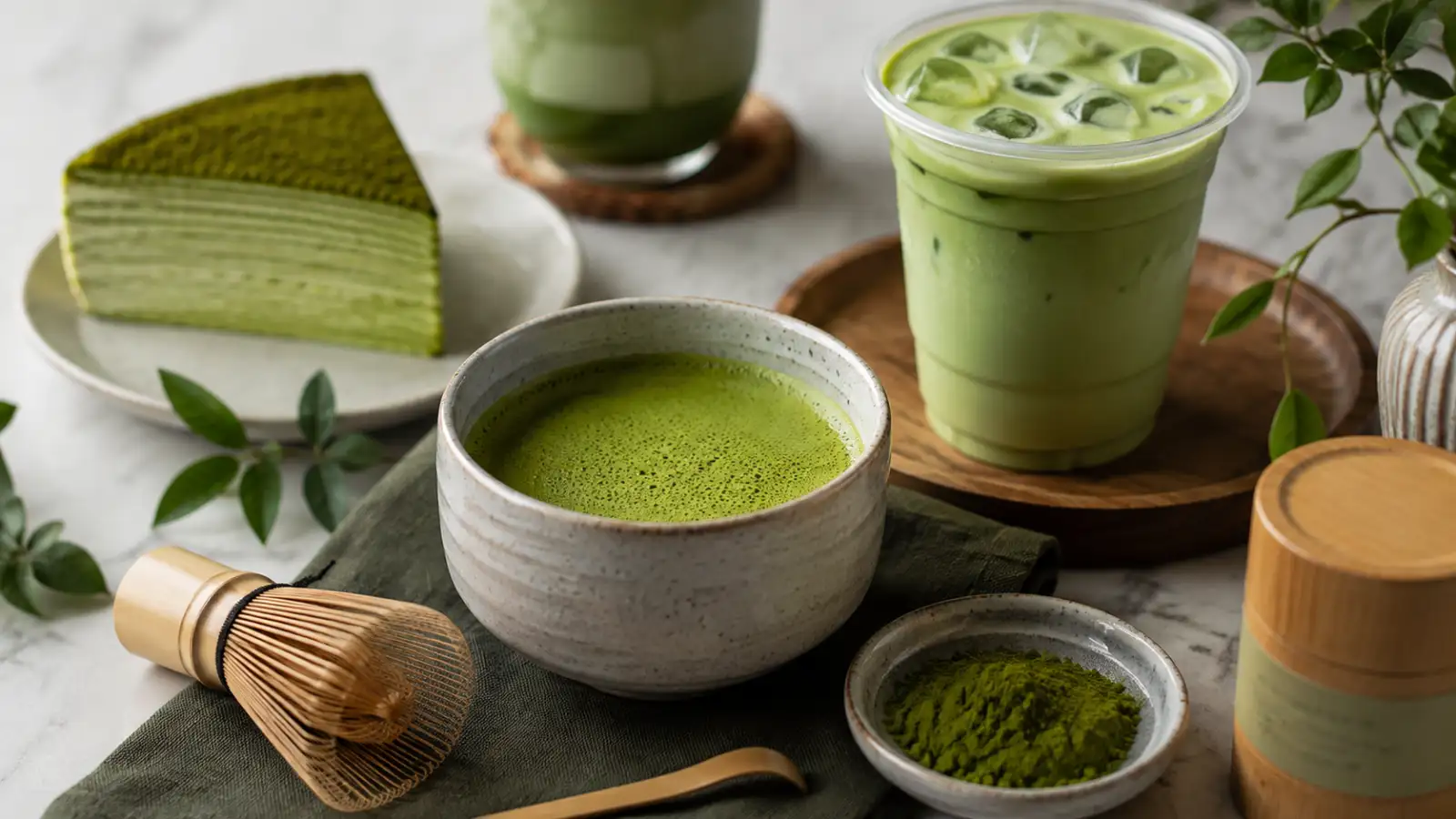
Unlike ordinary brewed green tea, the powder itself is consumed when matcha is whisked into water or milk. This gives the drink its distinctive intensity.
Its modern popularity may look like a social-media phenomenon, but the ingredient itself has a much longer cultural history.
It can be turned into a sweet latte, a cold drink or a dessert, making it particularly easy to introduce to new consumers.
A matcha latte can look distinctive without elaborate decoration, which gives cafés and consumers a simple way to create visually striking food content.
Recent food coverage continues to highlight its popularity in everything from beverages to protein-oriented recipes.
That makes the current boom more complicated than a simple fashion trend.
The novelty of the green latte may eventually fade, but matcha has already become familiar enough to move beyond trend status in many places.
Its real strength is versatility. Few ingredients can simultaneously function as a traditional drink, modern café staple and dessert flavour. That may be the secret behind its staying power.
Matcha Is Not Simply Green Tea
Matcha is made from specially grown tea leaves that are processed and ground into a fine powder.Unlike ordinary brewed green tea, the powder itself is consumed when matcha is whisked into water or milk. This gives the drink its distinctive intensity.
A Tradition Older Than the Trend
Matcha has deep roots in Japanese tea culture and became closely associated with the Japanese tea ceremony .Its modern popularity may look like a social-media phenomenon, but the ingredient itself has a much longer cultural history.
Why Younger Consumers Like It
Matcha occupies an unusual position. It is traditional but visually modern, mildly bitter but adaptable, and caffeinated without being identical to coffee.It can be turned into a sweet latte, a cold drink or a dessert, making it particularly easy to introduce to new consumers.
The Instagram Effect
Colour matters. Matcha's intense green shade makes it naturally photogenic.A matcha latte can look distinctive without elaborate decoration, which gives cafés and consumers a simple way to create visually striking food content.
You may also like
- This small mistake by children could lead to serious trouble; learn about safety before latching the room door..
- Why are children more interested in boxes, spoons, and remote controls than in toys? There is a reason behind this..
- We have both matured over time: Dev & Subhashree
- Newlywed woman takes off her dupatta to save biker trapped in Himachal flash flood; dramatic rescue by a family caught in camera; video viral
- 8th CPC Salary Calculator: Grade Pay ₹1,800 to ₹2,800… What will the salary of central government employees be? Check the calculation structure.
Matcha Is Becoming a Global Ingredient
It is now used well beyond drinks. Matcha-flavoured cakes, cookies, chocolate and ice cream have become familiar in many markets.Recent food coverage continues to highlight its popularity in everything from beverages to protein-oriented recipes.
There Is a Supply Challenge
The success of matcha has created pressure on supply. High-quality matcha depends on specific growing and processing practices, while Japanese tea farming also faces challenges including an ageing agricultural workforce and climate pressures.That makes the current boom more complicated than a simple fashion trend.
Is Matcha Here to Stay?
Probably, although its role may evolve.The novelty of the green latte may eventually fade, but matcha has already become familiar enough to move beyond trend status in many places.
Its real strength is versatility. Few ingredients can simultaneously function as a traditional drink, modern café staple and dessert flavour. That may be the secret behind its staying power.






Loving Newspoint? Download the app now
